SEOUL, March 07 (AJP) - South Korean retail fuel prices have surged immediately following the blockade of the Strait of Hormuz, bypassing the standard two-to-three-week lag typically required for global crude fluctuations to reach domestic pumps.
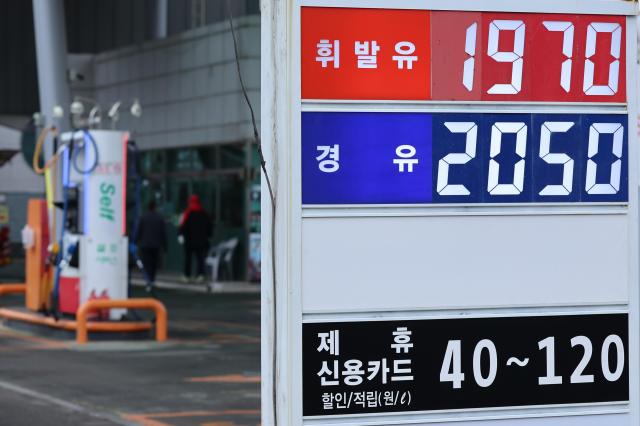
As of Saturday, the national average gasoline price reached 1,871.83 won ($1.39) per liter, up 178.94 won ($0.13) from Feb. 28, according to the Korea National Oil Corp (KNOC). Diesel prices outpaced gasoline, hitting 1,887.38 won per liter, raising concerns over an increase in broader logistics and transportation costs.
The rapid hikes follow the escalating conflict involving the U.S., Israel, and Iran, which has disrupted transit through the Strait of Hormuz. South Korea relies on the Middle East for over 70 percent of its crude imports.
Local refiners and gas stations attribute the immediate price increases to a preemptive rush to secure inventory amid supply uncertainties. Industry officials maintain that reflecting replacement costs immediately helps mitigate heavier market shocks, arguing that delaying the hikes could result in steeper, sudden price spikes later.
The local surge mirrors global market anxieties. West Texas Intermediate (WTI) crude has topped $90 a barrel, with market forecasts warning it could reach $100. Global inflationary pressures are further compounded by U.S. stagflation fears, following a drop of 92,000 non-farm jobs in February and a rise in the unemployment rate to 4.4 percent.
In response to domestic supply concerns, KNOC received 2 million barrels of joint-reserve crude from Kuwait at its Ulsan facility on Saturday, with another 2 million barrels from the UAE expected on March 22. South Korea currently holds 102 million barrels in strategic reserves.
Meanwhile, the Ministry of Trade, Industry and Energy has launched special inspections into gas stations nationwide to crack down on illegal practices, including hoarding and price gouging.

Copyright ⓒ Aju Press All rights reserved.