SEOUL, May 1 (AJP) - Samsung Biologics, the world's largest contract drug manufacturer by volume, was rocked on Friday by the first full-scale walkout in its 15-year history, with the union demanding management return to the bargaining table at once and the company warning of losses of up to 640 billion won ($434 million).
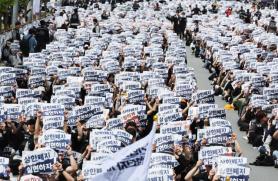
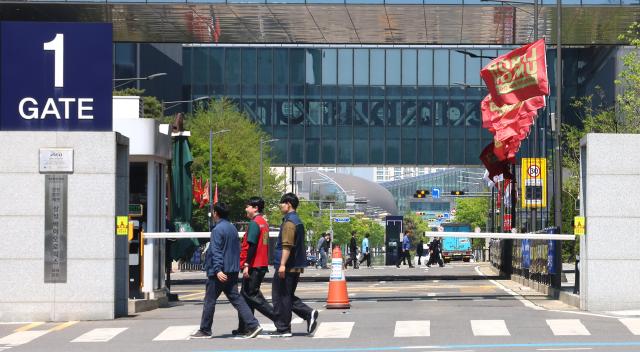
The Samsung Biologics chapter of the Samsung Group labor union launched the strike on Friday, Labor Day, after 13 rounds of wage talks since December collapsed without a deal. The union has vowed to walk off the job through May 5.
In a sharply worded statement issued as the strike began, the union accused executives of resorting to legal pressure and intimidation rather than substantive dialogue, blaming boardroom missteps — chronic understaffing, aggressive cost-cutting, and decisions made without input from the production floor — for the company's recent order shortfalls.
"If the company is truly worried about losses and damage to client trust, it should stop shifting responsibility to employees and immediately enter genuine negotiations," the union said.
Workers are demanding a 14 percent average pay raise, a one-off bonus of 30 million won per employee, and 20 percent of operating profit to be distributed as performance pay. Management has countered with a 6.2 percent wage hike, leaving the two sides far apart.
The projected hit of 640 billion won amounts to about half of the company's first-quarter revenue of 1.26 trillion won. Samsung Biologics warns that biopharmaceutical manufacturing relies on a continuous, nine-stage process in which a single interruption can spoil entire batches of living cells, forcing them to be discarded as waste.
A partial strike from April 28 to 30, joined by some 60 workers in the materials handling division, has already disrupted output of 23 products including cancer treatments, HIV medicines, and atopic dermatitis therapies, with damage estimated at 150 billion won.
Chief Executive John Rim convened a town hall on Thursday and apologized to staff before issuing an afternoon message urging workers to reconsider joining the walkout, saying prolonged disruption could inflict irreversible damage on both the firm and its employees.
Ahead of the walkout, the company filed for an injunction to block the strike. A South Korean court last month barred industrial action only on the final three stages — concentration and buffer exchange, drug-substance filling, and buffer manufacturing — while allowing the union to halt the other six. Samsung Biologics appealed the same day, arguing the entire production line must be tightly controlled.
Industry observers warn that supply-chain disruption could erode Samsung Biologics' standing with global clients, who may shift orders to overseas rivals if delivery deadlines slip. The U.S. Food and Drug Administration and other regulators place heavy emphasis on process integrity, meaning even minor disruptions typically trigger full batch disposal regardless of actual quality outcomes.
The walkout underscores deepening labor unrest across the Samsung empire. Affiliate Samsung Electronics, the world's largest memory chipmaker, faces an 18-day general strike from May 21 through June 7, with tens of thousands of workers demanding bonuses tied to 15 percent of operating profit — a sum that could reach 45 trillion won. The South Korean government has cautioned that a stoppage at the chip giant could ripple through the broader economy.

Copyright ⓒ Aju Press All rights reserved.