SEOUL, March 31 (AJP) - President Lee Jae Myung on Tuesday hinted at drastic measures to stabilize the economy amid the prolonged conflict in the Middle East.
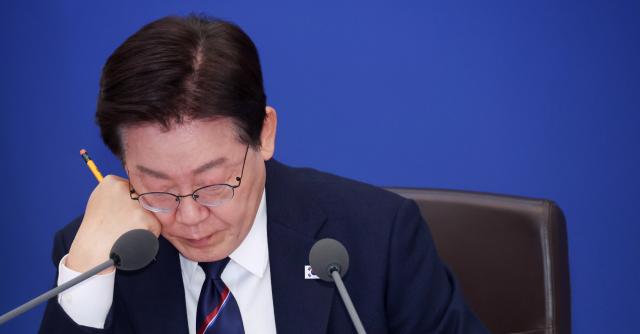
During a Cabinet meeting at Cheong Wa Dae in central Seoul, Lee said the government may take bold action including an emergency fiscal order if necessary, as the conflict that began with U.S.-led airstrikes on Iran late last month has escalated with no end in sight, setting off "warning signals" for the global economy.
Under the Constitution, such an order allows a president to take urgent steps without parliamentary approval in cases deemed necessary to address a severe economic crisis.
Lee pointed to warnings from international financial agencies including the Organization for Economic Cooperation and Development (OECD), which has lowered growth forecasts for major economies and warned that oil prices could jump to US$135 a barrel in the second quarter.
Given South Korea's heavy reliance on overseas markets and energy supplies from the Middle East, Lee called for close monitoring and detailed contingency plans for possible emergencies, instructing key officials to keep monitoring developments and respond "boldly and preemptively" to any supply disruptions.
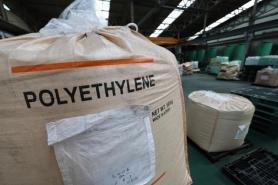
Like naphtha-related measures already in place since last week, Lee urged strict management of other key raw materials such as urea and urea solution, maintaining stockpiles at levels comparable to those kept during wartime.
He also added that similar measures should be applied to everyday necessities including medical supplies.
During a Cabinet meeting at Cheong Wa Dae in central Seoul, Lee said the government may take bold action including an emergency fiscal order if necessary, as the conflict that began with U.S.-led airstrikes on Iran late last month has escalated with no end in sight, setting off "warning signals" for the global economy.
Under the Constitution, such an order allows a president to take urgent steps without parliamentary approval in cases deemed necessary to address a severe economic crisis.
Lee pointed to warnings from international financial agencies including the Organization for Economic Cooperation and Development (OECD), which has lowered growth forecasts for major economies and warned that oil prices could jump to US$135 a barrel in the second quarter.
Given South Korea's heavy reliance on overseas markets and energy supplies from the Middle East, Lee called for close monitoring and detailed contingency plans for possible emergencies, instructing key officials to keep monitoring developments and respond "boldly and preemptively" to any supply disruptions.
Like naphtha-related measures already in place since last week, Lee urged strict management of other key raw materials such as urea and urea solution, maintaining stockpiles at levels comparable to those kept during wartime.
He also added that similar measures should be applied to everyday necessities including medical supplies.
Copyright ⓒ Aju Press All rights reserved.