
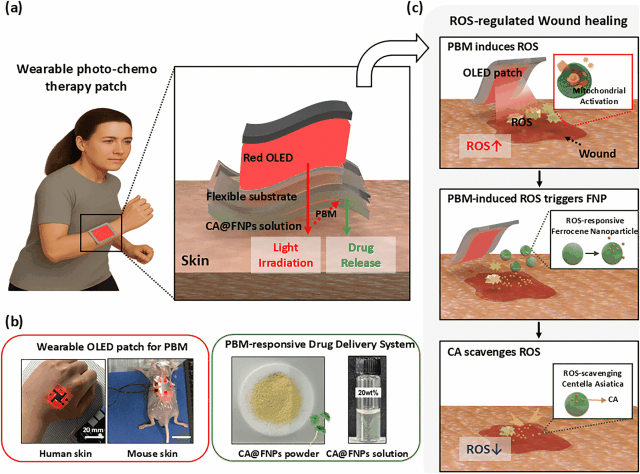
SEOUL, April 13 (AJP) - A research team in South Korea has developed a wearable electronic patch that can speed up the skin wound-healing process by about 200 percent using organic light-emitting diodes (OLEDs), compared to conventional wound treatment methods.
The Korea Advanced Institute of Science and Technology (KAIST) said Monday that a joint research group led by Professor Choi Kyung-cheol successfully created the self-regulating platform that uses light to control the release of medicine onto a skin wound. The project included researchers from the Korea Institute of Ceramic Engineering and Technology (KICET) and Chungbuk National University.
Traditional wound care often relies on ointments or light therapy, but it can be difficult to maintain the correct dosage. Too much medication can cause side effects, while light therapy, known as photobiomodulation (PBM), loses its effectiveness if the light intensity is not properly balanced.
The new patch solves those problems by using light to create reactive oxygen species (ROS) in the body. These molecules act as a biological switch that tells the patch when to release medication. As the light intensity changes, the amount of medicine released adjusts automatically to match the wound's needs.
The device is designed as a thin, flexible patch that sticks directly to the skin, even on curved areas of the body. It operates at a steady temperature of about 31 degrees Celsius (87.8 degrees Fahrenheit), which eliminates the risk of low-temperature burns during long-term use. Testing showed the patch can function reliably for more than 400 hours.
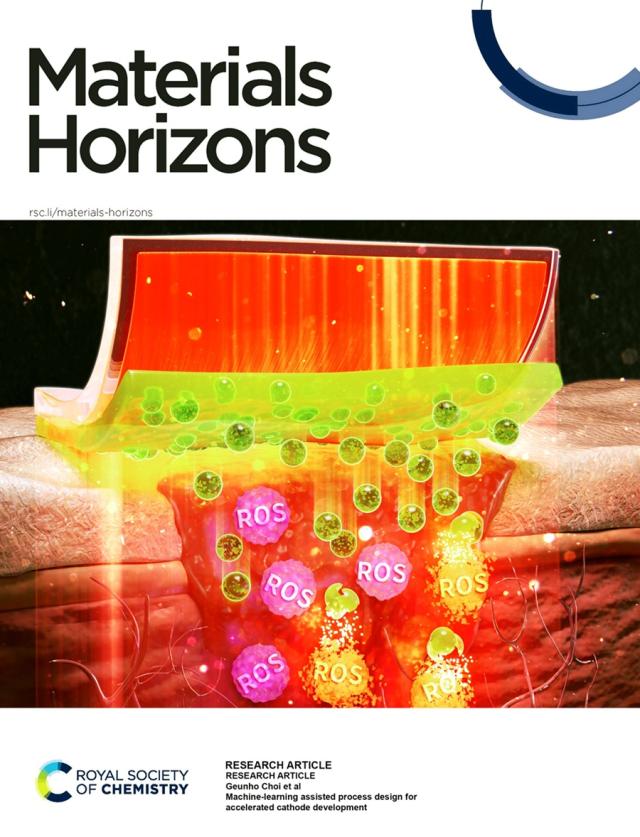
During animal trials, wounds treated with the smart patch showed a 67 percent recovery rate after 14 days. In comparison, a control group that used conventional techniques showed only a 35 percent recovery rate. The researchers found that the patch not only accelerated the healing process but also helped skin grow back with a healthy barrier of protective proteins.
The patch delivers a specialized extract from Centella asiatica, a plant often called tiger grass, which is a common ingredient in skin repair treatments. By combining the regenerative power of 630-nanometer red light with precise drug delivery, the system ensures the medicine is only used when necessary.
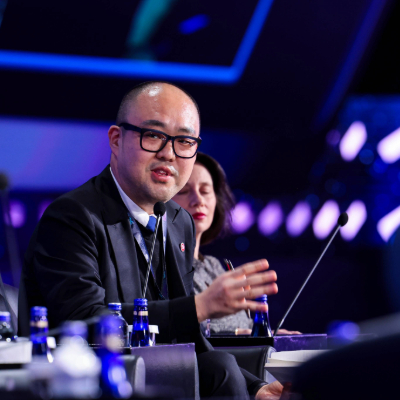
"This research moves beyond simply applying light therapy to using light as a tool to control the treatment itself," Professor Choi Kyung-cheol said. The team plans to expand the technology into an intelligent platform that can react to a patient's specific condition to treat various diseases and injuries.
Ph.D. candidate Yeon Hye-jeong served as the lead author of the study, which was featured as the cover story for the March issue of the journal Materials Horizons. The project was supported by KAIST President Lee Kwang-hyung, KICET President Yoon Jong-seok, and Acting President Park Yu-sik of Chungbuk National University.
(Reference Information)
Journal/Source: Materials Horizons
Title: A self-regulating wearable OLED patch for accelerated wound healing via photobiomodulation-triggered drug delivery
Link/DOI: https://doi.org/10.1039/D5MH02129D
Copyright ⓒ Aju Press All rights reserved.
