Sporadic attacks along with exchanges of fire across the Persian Gulf continue to fuel tensions in the region, even as diplomatic efforts appear to remain active behind the scenes.
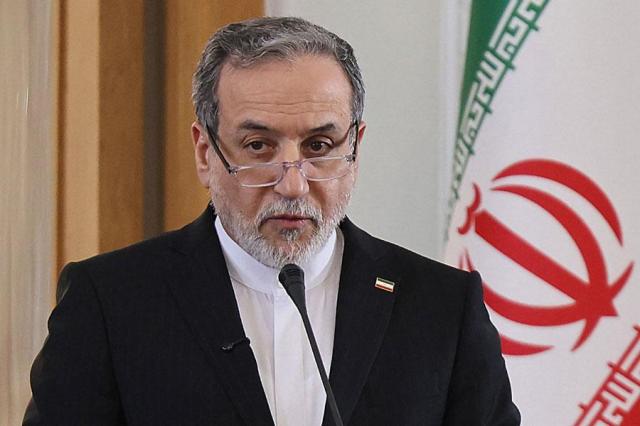
Iranian Foreign Minister Abbas Araghchi told the country's semi-official Fars News Agency last Saturday that Iran is ready to defend its people at "1,000 percent," warning that any strike on its nuclear site sand other facilities would be met with retaliation.
Araghchi also said, "Whenever a diplomatic solution is placed on the table, the United States resorts to a reckless military adventure," calling it a "pressure tactic" to secure concessions. "Whatever the reason, the result is always the same: Iranians never bow to pressure, but it is diplomacy that is always sacrificed," he added.
Speaking to reporters at the White House the previous day, Trump raised expectations of a response from Iran soon, saying, "I'm getting a letter supposedly tonight, so we'll see how that goes."
With these developments, any peace deal to end the prolonged Middle East conflict, which began with joint U.S.-Israeli airstrikes on Iran in late February, now appears elusive, adding fresh uncertainty to an already fragile standoff that was briefly eased by a temporary ceasefire last month.
But behind the tough rhetoric, which may be aimed at gaining leverage for a better deal, both sides seem to be looking for a way out, despite Washington pushing for stricter limits on Iran's nuclear activities and Tehran insisting it will not negotiate under pressure or threats.
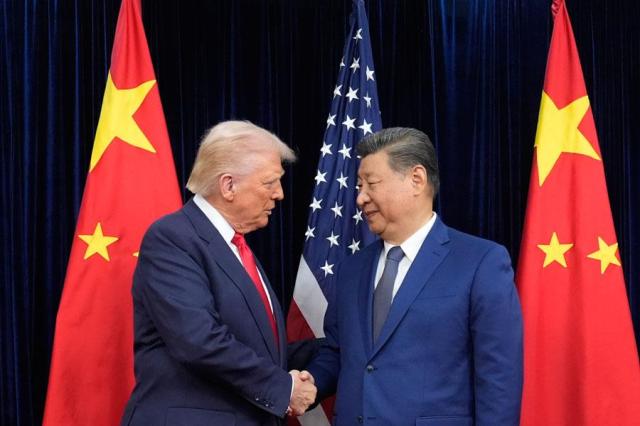
There is also growing speculation that some kind of understanding, whether a temporary agreement or diplomatic breakthrough, could emerge before the visit.
Copyright ⓒ Aju Press All rights reserved.