
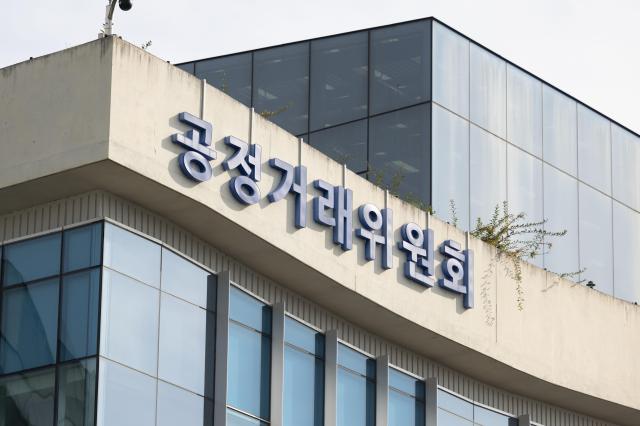
On May 10, the FTC announced it would impose a corrective order and a fine of 230 million won (approximately $2.3 million) on Doosan for violating subcontracting laws by delaying the issuance of written contracts during the outsourcing of system development and management services.
According to the FTC, from January 2022 to October 2024, Doosan failed to provide written contracts containing legally required details for 516 SI service agreements with 182 subcontractors before the start of the services. In some cases, contracts were issued up to 291 days after work had begun, with an average delay of 26 days.
The 516 agreements in question represent 35% of all contracts (1,473) during that period, with the total subcontracting amount reaching 40.8 billion won, accounting for 34.6% of the overall contract value. The FTC explained that the scale of the violations and their repeated nature warranted the imposition of a fine.
Additionally, Doosan issued 'incomplete documents' for some contracts that did not clearly specify payment deadlines and inspection periods. The company was also found to have failed to retain some subcontracting documents for three years. However, the FTC deemed the violations relatively minor and issued a warning regarding those issues.
Industry experts interpret this sanction as a response to the prevalent practice of 'contracting after work begins' in the SI sector. It has been repeatedly pointed out that in large projects, subcontracted workers are often deployed before contracts are finalized or pricing discussions occur.
This practice leaves smaller subcontractors vulnerable, as they must incur costs for development personnel and resources without clear contract terms, increasing the risk of disputes over payment and project scope.
With the recent expansion of investments in AI and data centers, along with rising demand for digital transformation, the importance of effective subcontractor management in the SI market is growing.
According to the FTC, the domestic SI market generated 56 trillion won last year, reflecting an average annual growth rate of 6.58% over the past five years. The high level of internal transactions among large corporations underscores the need for a fair subcontracting order.
An FTC official stated, "We will continue to focus our specialized investigative capabilities on the advanced industry sector to correct unfair trading practices that infringe on the rights of subcontractors and impose strict penalties for violations to establish a fair subcontracting order."
* This article has been translated by AI.
Copyright ⓒ Aju Press All rights reserved.