
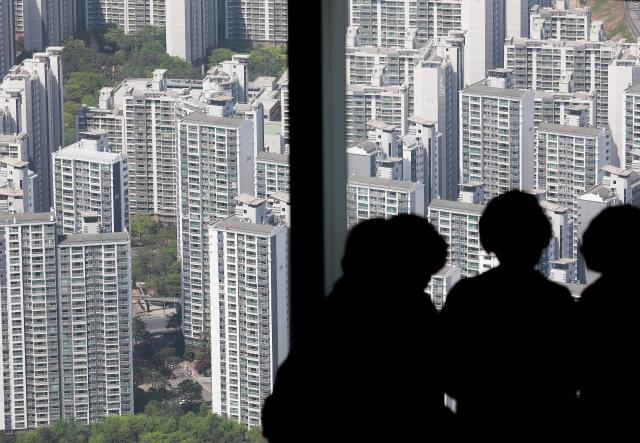
With the reintroduction of higher capital gains tax rates for multiple homeowners, the Seoul apartment market is expected to enter a significant supply crunch phase. Following the tax's reinstatement, homeowners in the Gangnam area are opting to hold onto their properties, driven by expectations of future redevelopment, while lower-priced areas are experiencing rental market pressures that could further drive up prices. Although regional trends may vary, the overall market sentiment remains consistent.
According to industry sources, after the sale of tax-advantaged properties in Gangnam, homeowner expectations have surged. A representative from a real estate agency near Eunma Apartment in Daechi-dong stated, "Only listings with higher asking prices remain now," adding that in redevelopment zones, sellers are eager to increase prices by millions of won depending on the permitting stage. The representative noted, "Once the business implementation permit is granted for Eunma, prices are expected to rise further," and warned of a potential inventory shortage in the future as the tax exemption period has ended.
The speed of the supply crunch in Gangnam has already begun to reflect in prices. As of the first week of May, Songpa-gu (0.17%) and Seocho-gu (0.04%) saw price rebounds following the absorption of tax-advantaged listings.
As multiple homeowners who missed the opportunity to sell during the tax exemption period shift towards holding or gifting their properties, the influx of new listings is expected to be further restricted. Under the new tax rates effective from May 10, the effective tax rate for homeowners with three or more properties could reach as high as 82.5%, including local income taxes. Industry analysts suggest that this tax burden paradoxically discourages multiple homeowners from listing their properties. A representative from a real estate agency in Daechi-dong remarked, "Homeowners who did not sell during the exemption period have already shifted towards gifting or long-term holding," predicting that this trend will solidify after May 10.
Currently, there are no clear variables to reverse the supply crunch, while the government's review of long-term holding tax exemptions is being watched as a potential factor for new listings. A broker in Daechi-dong stated, "If the requirements for long-term holding tax exemptions are tightened, homeowners in the 5-10 year holding period may consider selling," but cautioned that uncertainties remain, including the need for cabinet approval.
In the outer areas of Seoul, a different dynamic of supply reduction and price increases is at play. Following the depletion of tax-advantaged listings, a shortage of rental properties is intensifying, leading to increased demand from newlyweds and those seeking to separate households. A representative from a real estate agency in Dongdaemun-gu noted, "With no rental listings available, clients are inevitably turning to the purchase market," and added that the absence of urgent sales and rental options is likely to persist until the second half of the year.
Experts warn that the reintroduction of the capital gains tax will likely increase upward pressure on prices in outer Seoul as well. Despite indications of further government regulations, it is anticipated that rental prices, particularly in mid- to low-tier areas, will continue to rise, with sales prices following suit for the foreseeable future.
Kim In-man, head of the Kim In-man Real Estate Research Institute, stated, "The price adjustments seen in the Han River belt area in February and March were not indicative of a trend but rather a temporary phenomenon driven by sellers looking to avoid the capital gains tax," adding that the Gangnam area and the Han River belt are already showing signs of recovery, with prices in areas below 1.5 billion won expected to maintain an upward trend. Lee Eun-hyung, a researcher at the Korea Construction Policy Institute, also noted, "The price trend is likely to continue rising in key areas," and emphasized that considering domestic and international variables, it will be challenging for prices in outer Seoul to decline significantly.
According to industry sources, after the sale of tax-advantaged properties in Gangnam, homeowner expectations have surged. A representative from a real estate agency near Eunma Apartment in Daechi-dong stated, "Only listings with higher asking prices remain now," adding that in redevelopment zones, sellers are eager to increase prices by millions of won depending on the permitting stage. The representative noted, "Once the business implementation permit is granted for Eunma, prices are expected to rise further," and warned of a potential inventory shortage in the future as the tax exemption period has ended.
The speed of the supply crunch in Gangnam has already begun to reflect in prices. As of the first week of May, Songpa-gu (0.17%) and Seocho-gu (0.04%) saw price rebounds following the absorption of tax-advantaged listings.
As multiple homeowners who missed the opportunity to sell during the tax exemption period shift towards holding or gifting their properties, the influx of new listings is expected to be further restricted. Under the new tax rates effective from May 10, the effective tax rate for homeowners with three or more properties could reach as high as 82.5%, including local income taxes. Industry analysts suggest that this tax burden paradoxically discourages multiple homeowners from listing their properties. A representative from a real estate agency in Daechi-dong remarked, "Homeowners who did not sell during the exemption period have already shifted towards gifting or long-term holding," predicting that this trend will solidify after May 10.
Currently, there are no clear variables to reverse the supply crunch, while the government's review of long-term holding tax exemptions is being watched as a potential factor for new listings. A broker in Daechi-dong stated, "If the requirements for long-term holding tax exemptions are tightened, homeowners in the 5-10 year holding period may consider selling," but cautioned that uncertainties remain, including the need for cabinet approval.
In the outer areas of Seoul, a different dynamic of supply reduction and price increases is at play. Following the depletion of tax-advantaged listings, a shortage of rental properties is intensifying, leading to increased demand from newlyweds and those seeking to separate households. A representative from a real estate agency in Dongdaemun-gu noted, "With no rental listings available, clients are inevitably turning to the purchase market," and added that the absence of urgent sales and rental options is likely to persist until the second half of the year.
Experts warn that the reintroduction of the capital gains tax will likely increase upward pressure on prices in outer Seoul as well. Despite indications of further government regulations, it is anticipated that rental prices, particularly in mid- to low-tier areas, will continue to rise, with sales prices following suit for the foreseeable future.
Kim In-man, head of the Kim In-man Real Estate Research Institute, stated, "The price adjustments seen in the Han River belt area in February and March were not indicative of a trend but rather a temporary phenomenon driven by sellers looking to avoid the capital gains tax," adding that the Gangnam area and the Han River belt are already showing signs of recovery, with prices in areas below 1.5 billion won expected to maintain an upward trend. Lee Eun-hyung, a researcher at the Korea Construction Policy Institute, also noted, "The price trend is likely to continue rising in key areas," and emphasized that considering domestic and international variables, it will be challenging for prices in outer Seoul to decline significantly.
* This article has been translated by AI.
Copyright ⓒ Aju Press All rights reserved.