
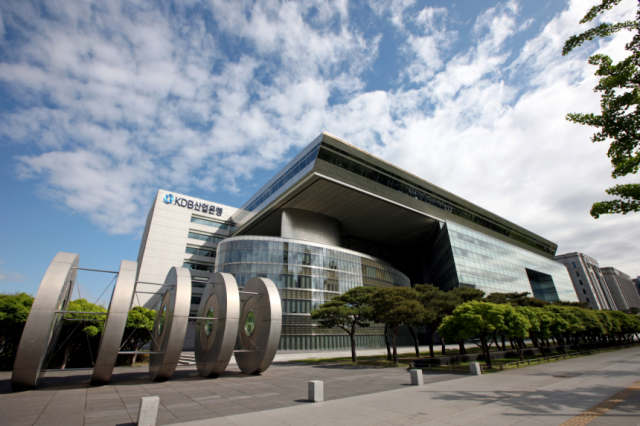
According to data from the Public Institution Management Information Disclosure System, Alio, the turnover rate for male employees at the Industrial Bank of Korea reached 9.0% last year. This marks a threefold increase from 3.0% in 2021. In contrast, the turnover rate for female employees rose slightly from 1.5% to 1.6% during the same period. The turnover rate at IBK Industrial Bank also increased, with male turnover rising from 1.7% in 2021 to 6.2% last year, while female turnover went from 1.0% to 1.3%. Similarly, the Export-Import Bank of Korea saw its male turnover rate increase from 3.2% to 4.1%, and female turnover rise from 0.7% to 2.6%.
As employee departures increase, the average tenure at these banks is decreasing. The average length of service at the Industrial Bank fell from 199 months in 2021 to 185 months last year. IBK's average tenure decreased from 209 months to 195 months, while the Export-Import Bank's average tenure dropped from 155 months to 151 months.
The rising turnover rates at state-owned banks can be attributed to wage disparities with commercial banks. Last year, the average salary for employees at these state banks was 115.94 million won, approximately 4 million won lower than the average salaries at the four major commercial banks: Kookmin, Shinhan, Hana, and Woori.
The issue of relocating financial public institutions to regional areas during election seasons has also accelerated employee departures. Since the push for the Industrial Bank's relocation to Busan began in 2022, the number of resignations increased from 30 to 100. Ahead of this year's local elections, candidates for the Daegu mayoralty from both major parties have pledged to relocate IBK to Daegu, with the Export-Import Bank and the Korea Deposit Insurance Corporation also under consideration for relocation.
Additionally, the less favorable wage peak system at state-owned banks has impacted employee retention. While commercial banks offer retirement incentives and educational funds for children equivalent to two to three years' salary, employees opting for voluntary retirement at state-owned banks receive only 45% of their salary during the wage peak period as severance pay.
* This article has been translated by AI.
Copyright ⓒ Aju Press All rights reserved.