
According to a report by Aju Economy on May 14, the negotiations for the first half of 2026 have recently concluded. The discussions typically proceed with POSCO finalizing agreements with the three major shipbuilders, after which other steel companies, including Hyundai Steel, complete their negotiations. While negotiations are usually held quarterly, this year’s talks extended over a longer period, culminating in a price agreement that encompasses both the first and second quarters.
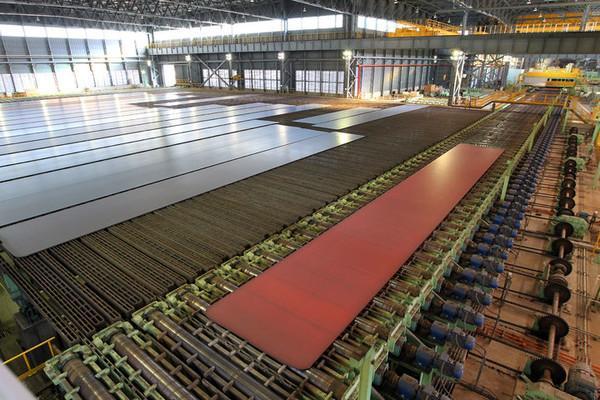
Thick plates, which are steel products with a thickness of 6 mm or more, play a significant role in ship manufacturing, accounting for 20% to 30% of shipbuilding costs.
This round of negotiations was prolonged due to the opposing stances of the steel and shipbuilding sectors. Heightened global uncertainties, stemming from conflicts in the Middle East and tariff risks from the U.S., made it difficult for both sides to concede.
The steel industry has maintained that, considering the rising costs of raw materials, industrial electricity rates, and logistics, a price increase was unavoidable. In fact, recent surges in iron ore prices, oil prices, and shipping costs have exacerbated cost pressures each year.
Conversely, the shipbuilding industry has expressed concerns over rising costs, advocating for price freezes or reductions. Although profitability has significantly improved due to a recent surge in orders, they argue that increases in plate prices directly impact shipbuilding costs, necessitating minimal price hikes.
Industry analysts view this agreement as a realistic compromise given the significant burdens faced by both sides. While the steel industry has succeeded in defending prices to a certain extent, it did not achieve the expected level of increases, and the shipbuilding sector could not completely avoid rising cost pressures.
Following the conclusion of the first half negotiations, the steel and shipbuilding industries are reportedly set to begin discussions for the second half of 2026 immediately. With ongoing external variables such as fluctuations in iron ore prices, exchange rates, and global trade uncertainties, the outlook for the second half negotiations is expected to be challenging.
* This article has been translated by AI.
Copyright ⓒ Aju Press All rights reserved.