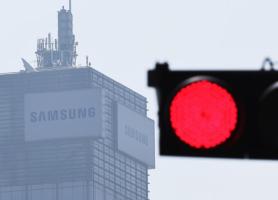
The high-stakes showdown comes just three days before a planned 18-day walkout by up to 50,000 workers, a disruption that industry insiders warn could inflict a staggering 100 trillion won (US$74 billion) blow to the global semiconductor supply chain.
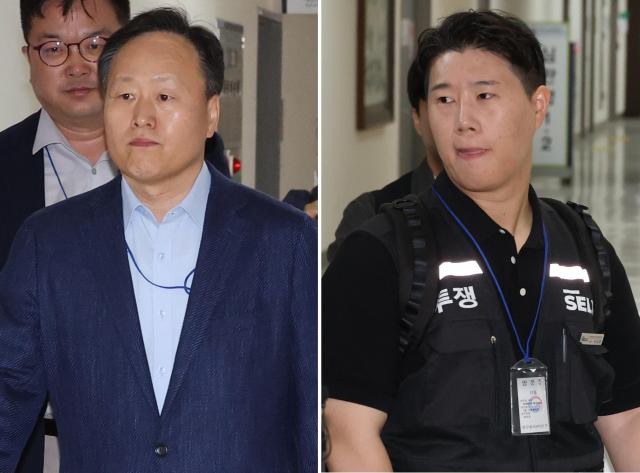
The two sides convened for a second round of post-mediation talks at the National Labor Relations Commission in Sejong at 10 a.m. Following the collapse of the first round of talks last week, the emergency weekend intervention by Labor Minister Kim Young-hoon and direct appeals from Samsung Electronics chairman Lee Jae-yong managed to bring both parties back to the negotiating table.
The stakes are unprecedentedly high, as the National Labor Relations Commission Chairman Park Soo-keun stepped in to directly arbitrate the session rather than acting as a mere observer. While union leaders expressed their commitment to negotiating in good faith, the atmosphere remained highly charged following preliminary weekend meetings where the union fiercely reacted to government hints of potential executive intervention.
The dispute centers primarily on the company's profit-sharing bonus (OPI) system. The National Samsung Electronics Union, representing nearly 50,000 workers, is demanding the abolition of the current 50 percent salary cap on bonuses and seeking a formalized commitment to allocate 15 percent of the company's operating profit toward employee incentives. Samsung management, while promising top-tier compensation tied to market leadership, has maintained that institutionalizing the removal of the bonus cap infringes on corporate governance and poses long-term financial risks.
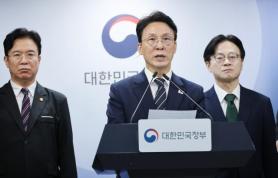
Adding to the pressure, President Lee Jae Myung issued a calculated warning on Monday morning, stating on social media that corporate management rights must be respected just as much as labor rights. While acknowledging the historical context of workers' rights to corporate profits, the president noted that constitutional basic rights can be legally restricted for the public good, signaling that the administration remains prepared to invoke "emergency adjustment powers" to halt the strike if negotiations fail.
An invocation of emergency powers would legally force the union to suspend any strike action for a 30-day cooling-off period, though such a move risks triggering a wider and more aggressive standoff between the government and major national labor umbrella groups.
The stakes are immensely high, with industry analysts warning that a total walkout could inflict up to 100 trillion won ($74 billion) in damages to the national economy. The National Labor Relations Commission is is expected to announce the outcome of the negotiations later in the day.

Copyright ⓒ Aju Press All rights reserved.