
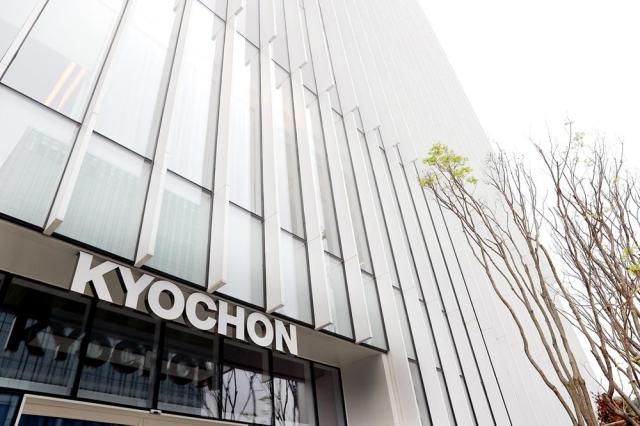
Kyochon F&B, the operator of Kyochon Chicken, announced on May 18 that its franchisees achieved an average revenue of 780 million won last year, with a closure rate of 0% in the first quarter of this year.
According to performance data released by Kyochon F&B on May 12, the average revenue for franchises in 2025 was reported at 780 million won, significantly higher than the average revenue of 328 million won for chicken franchises, as per the Fair Trade Commission's statistics. This figure also surpasses the average revenue of the top five companies in the same industry, which stands at 584 million won.
The closure rate remains exceptionally low. For the first quarter of this year, the closure rate was recorded at 0.0%, a decrease from the 0.6% reported in the 2025 business report. In comparison, the average closure rate for chicken franchises is 12.0%, while the overall restaurant industry averages 15.8%.
The closure rates based on disclosure documents were 0.2% in 2022, 0.7% in 2023, and 2.1% in 2024. The 2024 figure reflects the impact of contract expirations for 20 special stores, including theme parks and resorts. Excluding these, the company maintains a consistent closure rate near 0%, according to company officials.
A representative from Kyochon F&B stated, "The high average revenue and low closure rate are results of our focus on enhancing franchise operational stability and profitability. We aim to strengthen franchise competitiveness and expand brand value, targeting an annual revenue of over 800 million won per store by 2028."
Meanwhile, Kyochon F&B's consolidated revenue for the first quarter was provisionally reported at 123.4 billion won, with an operating profit of 5.3 billion won. This reflects a 1% decrease in revenue and a 50.6% drop in operating profit compared to the same period last year, impacted by the prolonged avian influenza outbreak and rising costs.
* This article has been translated by AI.
Copyright ⓒ Aju Press All rights reserved.