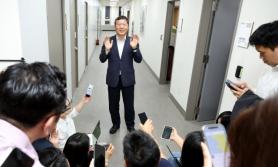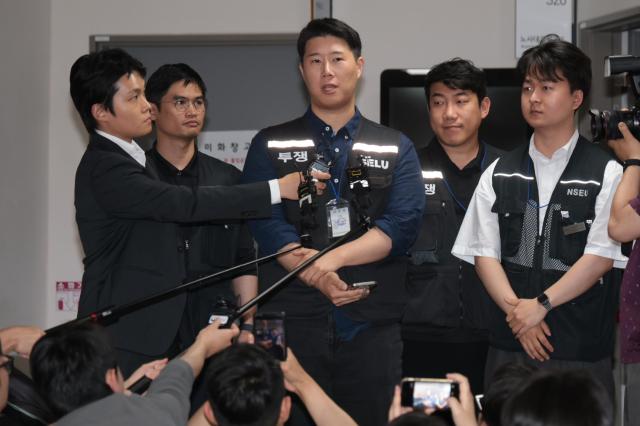
SEOUL, May 20 (AJP) - Samsung Electronics and its largest labor union will head back to the negotiating table on Wednesday morning after grueling, marathon talks failed to reach a breakthrough overnight, leaving the tech giant just hours away from a historic full-scale strike.
The closed-door session is scheduled to reconvene at 10 a.m. at the National Labor Relations Commission (NLRC) in Sejong, marking the third round of post-mediation talks. The immediate eve-of-strike meeting comes after Tuesday's session stretched for over 14 hours, spilling past midnight before arbitrators called a recess at 12:30 a.m. on Wednesday.
The fate of the dispute now hinges heavily on management's next move. NLRC Chairman Park Soo-keun revealed early Wednesday that while multiple bones of contention exist, the two sides failed to agree on the single most critical issue. Park noted that Samsung management is expected to present its finalized, comprehensive stance when the meeting resumes.
The final scenario is clear-cut: if Samsung accepts the NLRC's ultimate compromise proposal, a tentative agreement will be reached, which the union will then put to a member vote. However, if management rejects the proposal, or if the union membership subsequently votes it down, the unprecedented 18-day walkout involving up to 50,000 workers will officially commence on Thursday, May 21.
Due to the ticking clock and the need for subsequent voting procedures, Wednesday's session is expected to wrap up swiftly by late morning or early afternoon.
The South Korean government remains on high alert, having previously hinted at the potential invocation of its rare "emergency adjustment powers" to legally freeze the strike should the final talks collapse and threaten the national economy.

Copyright ⓒ Aju Press All rights reserved.