The ministry said U.S. Forces Korea had raised no objection to plans for a future combined command led by a South Korean four-star general following the transfer of wartime operational control.
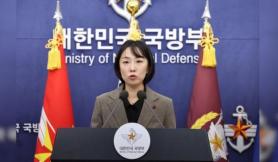
"I would like to say that since the visit to Korea in January by a senior U.S. official, there has been no proposal from U.S. Forces Korea to change the existing agreement," Defense Ministry spokesperson Jeong Bit-na said.
Jeong added that Seoul and Washington would "continue to maintain the current Combined Forces Command structure" after the OPCON transfer in order to preserve a strong combined defense posture.
She also expressed "strong regret" over the report.
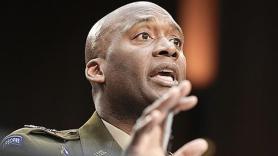
The remarks came after a South Korean newspaper reported that U.S. military officials had raised concerns that an accelerated OPCON transfer — before South Korean forces fully meet required military capability conditions — could complicate wartime command arrangements under a future combined command led by a South Korean general.
Under a 2018 agreement, the allies agreed to retain the combined command structure after OPCON transfer while placing a South Korean general in command and a U.S. general in the deputy role.
The allies are currently conducting assessments and certification procedures for the future command's operational capabilities.
The debate reflects broader tensions over the pace and conditions of the OPCON transition, which has long been one of the alliance's most sensitive issues.
South Korea assumed peacetime operational control of its military in 1994, but wartime operational control remains under the U.S.-led combined command structure established after the 1950-53 Korean War.
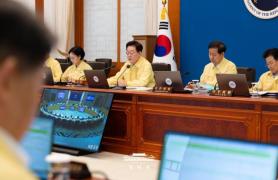
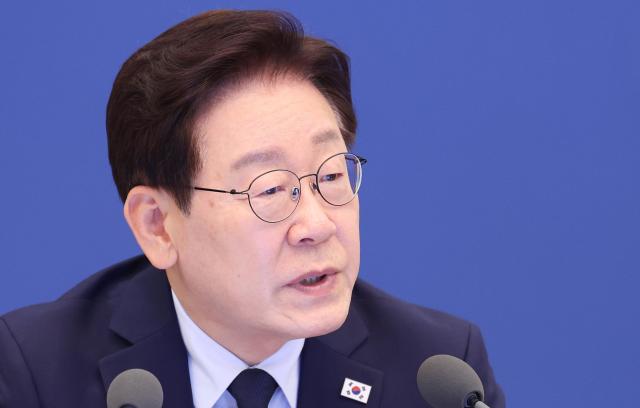
Lee has made the transfer a major defense priority, framing it as a matter of sovereignty and "self-reliant national defense." Earlier this week, Lee called for the process to move forward "swiftly" and said South Korea already possesses sufficient military capabilities to defend itself.
Some South Korean military analysts and former officers have warned against accelerating the transition amid growing regional security threats from North Korea, China and Russia.
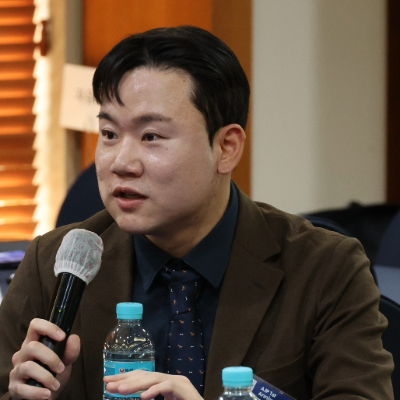
"Recovering wartime operational control is the right direction," said Nam Dong Woo, a retired South Korean Navy brigadier general. "However, the South Korean military must be thoroughly prepared before taking back OPCON. Since this issue has a major impact on South Korea's security, it should never be approached with the mindset of 'if this fails, we can do better next time.'"
The OPCON issue has repeatedly resurfaced under successive South Korean administrations.
During the presidency of Roh Moo-hyun, Seoul and Washington agreed to dissolve the CFC and adopt a parallel command structure after OPCON transfer, though the plan was later delayed. Under Moon Jae-in, the allies instead agreed on the current Future Combined Forces Command model, which would preserve a unified combined command structure after the transfer.
Copyright ⓒ Aju Press All rights reserved.