
On June 1, Chinese state media characterized artificial intelligence (AI) as a new area for cooperation between the United States and China, urging for expanded dialogue and collaboration. This message comes amid the U.S. tightening its semiconductor export controls against China.
In an editorial column titled "Zhongsheng" in the People's Daily, the official newspaper of the Chinese Communist Party, it stated, "AI should be promoted as a new area of U.S.-China cooperation," emphasizing that AI collaboration is crucial for advancing technology and effectively addressing the risks and challenges associated with AI.
The column noted, "China aims to strengthen communication and coordination with the international community, including the U.S., to establish a global AI governance system and standards based on broad consensus," and called for a collective defense of AI development beyond competitive and confrontational mindsets.
It further highlighted that China is the world's largest holder of AI patents and a key driver of global intelligent transformation, providing significant market opportunities for U.S. companies. It mentioned that U.S. tech firms like Nvidia, Microsoft, and AMD are actively engaging with China's AI technology ecosystem for various business collaborations.
The column cited practical examples of cooperation, such as the joint establishment of an "AI Cloud Gigafactory" by Lenovo Group and Nvidia, stating, "U.S.-China cooperation clearly demonstrates the potential to break down technological, market, and industrial barriers and create innovative momentum for mutual development."
At the same time, the editorial strongly criticized U.S. semiconductor regulations against China. It stated, "Some individuals in the U.S. view AI through a zero-sum lens, politicizing, weaponizing, and instrumentalizing technology," and pointed out that measures such as investment restrictions and semiconductor export controls create artificial barriers to cooperation.
The column warned that the so-called "decoupling" and "small yard, high wall" strategies not only violate the objective laws of scientific and technological development but also undermine the legitimate rights and interests of businesses in both countries and hinder the harmonious development of the global AI industry. It asserted, "China will resolutely defend its right to develop against such oppression and blockade."
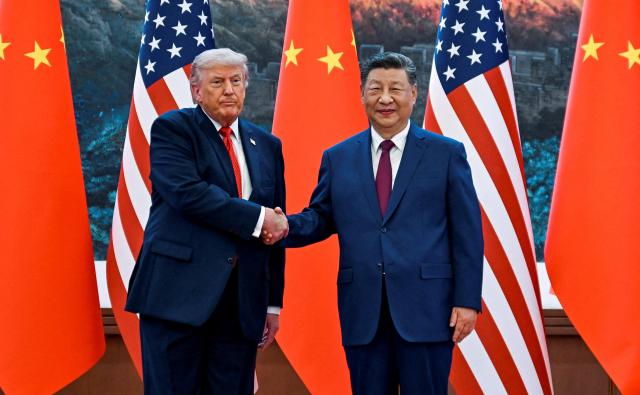
During last month's U.S.-China summit, both countries agreed to expand dialogue in the AI sector, yet the struggle over AI supremacy continues. Notably, on May 31, the U.S. announced new guidelines to block Chinese companies from acquiring high-performance AI chips from Nvidia through overseas subsidiaries. This action follows allegations that Chinese firms have been purchasing advanced AI chips in bulk via overseas entities established in third countries like Malaysia. According to Reuters, the number of advanced AI chips exported to China through such channels in the past year is estimated to be in the hundreds of thousands.
In response to the tightening controls, China is accelerating the establishment of a domestic AI semiconductor ecosystem, led by companies like Huawei and Alibaba.
* This article has been translated by AI.
Copyright ⓒ Aju Press All rights reserved.