
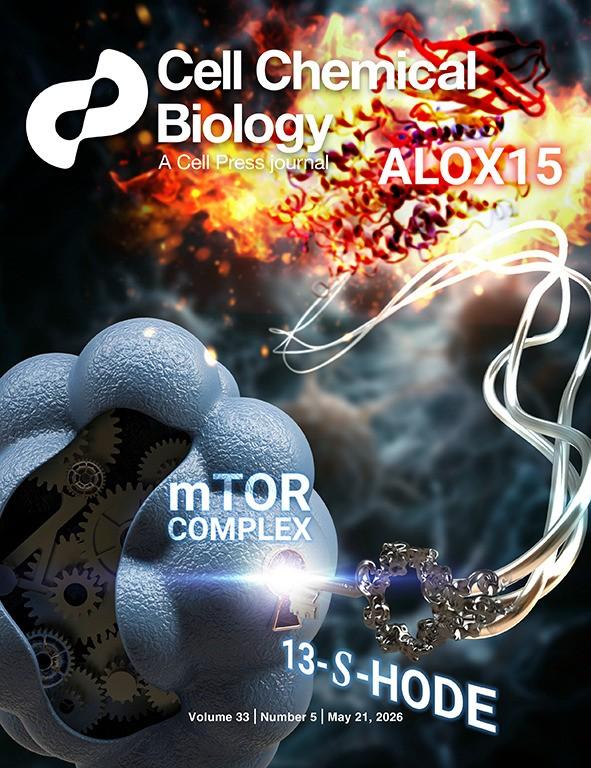
SEOUL, June 02 (AJP) - Scientists from South Korea and the United States have discovered that a natural substance produced when the body breaks down dietary fats can directly block a key protein responsible for cancer cell growth, the Korea Advanced Institute of Science and Technology said Tuesday.
The joint study, led by Korea Advanced Institute of Science and Technology (KAIST) Professor Kim Se-yoon and Korea University Professor Byun Young-joo, identified that a fat byproduct called 13-HODE acts as a natural brake on the mTOR protein. The mTOR protein regulates normal cell growth and energy use, but it becomes abnormally hyperactive in cancer cells, driving rapid tumor growth and spread.
The human body creates the 13-HODE molecule when an enzyme called ALOX15 processes linoleic acid, an essential fatty acid commonly found in plant oils. Using computer simulations and mass spectrometry, the research team found that 13-HODE physically attaches itself to the active part of the mTOR protein, completely shutting down its ability to function.
Researchers noted that 13-HODE levels are severely depleted in breast and colon cancer cells because the tumors suppress the ALOX15 enzyme needed to make it. During laboratory tests, artificially increasing the production of both the enzyme and the fat byproduct successfully lowered mTOR activity and stopped cancer cells from multiplying.
"This research is meaningful in that it reveals a fat metabolite produced within the human body can directly inhibit mTOR, a core protein in cancer growth," Professor Kim Se-yoon said. "It could be utilized not only for new anticancer treatment strategies using fat metabolism in the future but also for developing treatments to regulate mTOR overactivity seen in inflammation and aging processes."
Professor Byun Young-joo said the research identified the interaction between a protein and a fatty acid metabolite at the molecular level through the convergence of biology and pharmacy. "It will serve as an important foundation for the development of innovative new drugs in the future," Byun said.
Professor Jie Chen of the University of Illinois, a leading researcher in the mTOR field, evaluated the findings in a journal preview, describing the work as an exceptional discovery that presents a new breakthrough in controlling cancer cells. The research involved collaboration with scientists from Gachon University College of Medicine and the University of Maryland School of Pharmacy. The study, co-authored by Dr. Park Seung-ju and doctoral student Kim Se-ra of KAIST, was published as a cover paper in the journal Cell Chemical Biology on May 21, 2026.
(Reference Information)
Journal/Source: Cell Chemical Biology
Title: Mechanism by which a linoleic acid metabolite suppresses cancer cell growth by inhibiting mTOR
Link/DOI: https://doi.org/10.1016/j.chembiol.2026.04.004

Copyright ⓒ Aju Press All rights reserved.
