
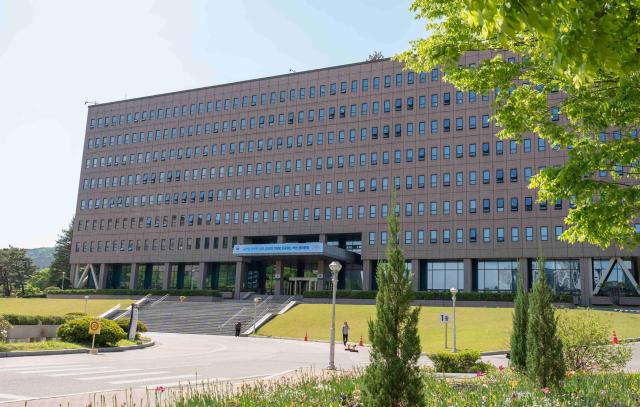
The South Korean government is restructuring and elevating its juvenile crime policy agency to reduce the recidivism rate among juvenile offenders, which is higher than that of adults.
On June 9, the Justice Ministry, led by Minister Jeong Seong-ho, announced a strategy to reduce recidivism rates among juvenile offenders, including the establishment of a dedicated organization for juvenile delinquency prevention and improvements in the treatment of juveniles in the field.
The ministry plans to create a new 'Juvenile Policy Decision-Making Body' to replace the temporary 'Juvenile Crime Prevention Team' currently operating within the ministry. Additionally, the department responsible for practical implementation will be upgraded to a headquarters.
To eliminate negative effects such as criminal learning that arise from the existing adult-centered probation system, the treatment of juveniles will also be improved. The proposed 'Integrated Juvenile Justice Agency,' currently being piloted in Seoul, Gwangju, and Ansan, separates adults and juveniles to provide treatment tailored to the characteristics of young offenders through community multi-agency collaboration. Based on the pilot's results, the program is set to expand nationwide next year.
To fundamentally address the complex factors contributing to juvenile delinquency, including personal issues like mental illness and social/environmental factors such as family circumstances and peer relationships, the Justice Ministry will establish a customized 'Recidivism Prevention Process (K-Juvenile Crime Prevention).' This will include procedures for diagnosis, prescription, intervention, rehabilitation, and follow-up care, with a focus on closely managing chronic juvenile offenders through community multi-agency cooperation.
Recognizing that delinquency often occurs at night, the ministry is developing a monitoring device in the form of a smartwatch to restrict juveniles' nighttime outings. In the long term, they also plan to develop a 'Comprehensive Analysis System for Juvenile Crime' that uses AI-based data analysis to assess the risk levels of juveniles and suggest intervention measures.
According to the Justice Ministry, the number of juvenile probationers increased from 703 (5.2%) out of 13,489 in 2020 to 1,535 (10.6%) out of 14,474 in 2024. Similarly, the proportion of juvenile offenders in detention rose from 51 (3.1%) out of 1,637 in 2020 to 148 (6.1%) out of 2,430 in 2024.
Last year, the recidivism rate for juvenile probationers was recorded at 12.3%, nearly three times higher than the adult recidivism rate of 3.9%.
Minister Jeong Seong-ho stated, "There has been a lack of infrastructure for policy implementation compared to the attention given to juvenile crime. We will establish a professional system capable of effectively preventing juvenile crime and implement the 'K-Juvenile Crime Prevention Policy' to address the complex factors behind juvenile delinquency."
* This article has been translated by AI.
Copyright ⓒ Aju Press All rights reserved.