
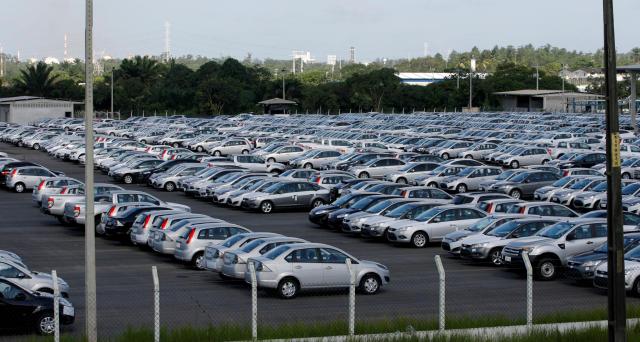
On June 9, Bloomberg reported that the Mexican government highlighted to U.S. officials that its cars exported to the U.S. incur an average effective tariff rate of 18.75%, which is higher than the 15% tariff applied to some vehicles from South Korea and Japan.
Mexico contends that it is unreasonable for its cars, which are produced in a USMCA member country, to bear a higher tariff while competing against vehicles from South Korea and Japan in the U.S. market.
Under current USMCA regulations, Mexican cars and certain parts imported into the U.S. are subject to nominal tariffs of up to 25%. However, no tariffs are applied to U.S.-made parts included in the vehicles, meaning the actual tariff rate varies based on the composition of parts in each vehicle.
Mexican vehicles that do not meet USMCA requirements face an additional 25% tariff along with a 2.5% Most-Favored-Nation (MFN) tariff. The Mexican automotive industry has also argued that proving the origin of parts incurs additional costs.
Marcelo Ebrard, Mexico's Secretary of Economy, stated at an event last month, "The U.S. applies a flat 15% tariff to major competitors like South Korea and Japan in the automotive sector without requiring proof of origin. These countries can freely use the parts they want."
Jamieson Greer, a representative from the Office of the United States Trade Representative (USTR), and his staff reportedly acknowledged to the Mexican delegation that Mexican cars should have a more favorable position compared to vehicles from other countries and that alternatives are being considered. However, Bloomberg noted that the U.S. side did not fully agree with the data presented by the Mexican negotiators.
Mexico is the largest trading partner of the U.S., with its automotive industry accounting for 4.5% of the country's GDP. However, rising costs due to President Trump's tariff policies have led some companies to reassess the economic viability of production in Mexico. Nissan announced plans to halt production at its Compass plant in Mexico last October.
While the U.S. and Mexico are discussing auto tariffs and origin rules in the USMCA review negotiations, progress has been slow.
Diego Marroquín, a researcher at the Center for Strategic and International Studies (CSIS) in Washington, predicted that given President Trump's "America First" trade policy, it would be challenging to eliminate or reduce tariffs. However, he suggested that a compromise could involve requiring a certain percentage of U.S.-made parts or value-added labor to qualify for tariff exemptions.
* This article has been translated by AI.
Copyright ⓒ Aju Press All rights reserved.