
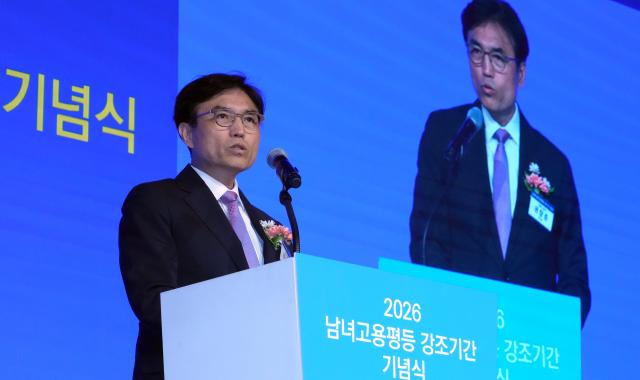
Kwon made these remarks during an employment situation assessment meeting with key officials from the ministry and heads of seven regional employment and labor offices. The meeting was convened following an urgent directive from Minister Kim Young-hoon due to the worsening employment situation last month.
According to the National Data Agency's report on employment trends released the previous day, the number of employed individuals decreased by 40,000 compared to the same month last year. This marks the first decline in employment since December 2024, when the domestic economy was affected by the emergency measures and government job programs ended.
The employment rate for those aged 15 and older also fell by 0.5 percentage points year-on-year to 63.3%. This decline marks the second consecutive month of decreases following April's figures.
Despite a boom in the semiconductor industry, the ongoing Middle East conflict has led to a reduction of 140,000 manufacturing workers, the largest drop since February 2019, continuing a 23-month streak of decline. The youth employment sector, particularly among those aged 15 to 29, has also seen significant setbacks, with a decrease of 255,000 jobs compared to a year ago, the largest drop since January 2021.
During the meeting, Kwon noted, "To prevent temporary economic fluctuations from leading to an employment crisis, we will focus on providing employment stability programs, such as job retention subsidies, to companies struggling due to the Middle East conflict." He also mentioned plans to designate additional regions or industries as areas requiring special employment support if signs of employment crises are detected through consultations with local governments and industry associations.
Kwon pledged to closely monitor the execution of crisis response programs funded by supplementary budgets and youth New Deal initiatives, ensuring that any delays due to guidelines or institutional limitations are addressed promptly and flexibly.
He urged regional office heads to visit local areas as needed, emphasizing the importance of assessing employment retention in manufacturing-heavy regions and the impact on construction sites. Kwon stressed the necessity of thorough inspections to ensure that vulnerable sectors, such as subcontractors, receive the necessary support amid economic challenges. He concluded by highlighting the need for the regional offices and the ministry to work in unison to effectively navigate this crisis.
* This article has been translated by AI.
Copyright ⓒ Aju Press All rights reserved.