
Iran, currently engaged in hostilities with the United States, announced that it has received approval from Supreme Leader Ayatollah Mojtaba Khamenei regarding a Memorandum of Understanding (MOU) for a ceasefire with the U.S.
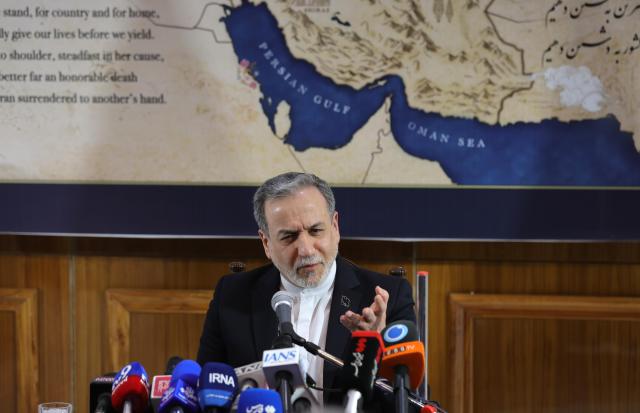
According to The New York Times, Abbas Araghchi, Iran's Foreign Minister, stated in a televised address on June 12 that the agreement with the U.S. has reached its final stages and has been approved by the Supreme Leader and the National Security Council, which comprises Iran's top leadership.
Araghchi emphasized that the MOU aims to end conflicts across all fronts, including Lebanon, and that Iran and the U.S. will respect each other's sovereignty and governance for the first time in 47 years, with a written announcement forthcoming.
He also called for Israel to withdraw from Lebanese territory and cease attacks on Lebanon as part of the ceasefire agreement.
"If all parties fulfill their commitments, negotiations for lasting peace can progress," Araghchi stressed.
He clarified that the signing of the ceasefire MOU will be conducted in writing rather than in person.
"The agreement will be signed and announced as soon as the final stage of negotiations is completed," he added, noting that the signing will occur digitally and remotely.
Araghchi expressed optimism, stating, "We have never been closer to an agreement than we are now. This could happen in the coming days. I am very hopeful."
However, he mentioned that while the preliminary agreement with the U.S. will include the reopening of the Strait of Hormuz and the cessation of various conflicts, the management of the strait will not revert to its pre-war state.
He asserted, "The sovereignty of the strait belongs to Iran and Oman, and Iran will ensure the safe passage of vessels through the strait," adding that a 'service fee' will be imposed for passage in the future.
* This article has been translated by AI.
Copyright ⓒ Aju Press All rights reserved.