
The South Korean government plans to expand health insurance coverage for hair loss treatments, a topic President Yoon Suk Yeol has emphasized as a "matter of survival, not beauty" since his presidential campaign. The initiative is expected to target young people initially, with details on eligibility and implementation to be clarified through a public discourse process. Additionally, discussions about raising cigarette prices, which have remained unchanged since a significant increase from 2,500 won to 4,500 won in 2015, are also being revisited, as the government seeks to strengthen its welfare safety net through comprehensive health funding reforms.
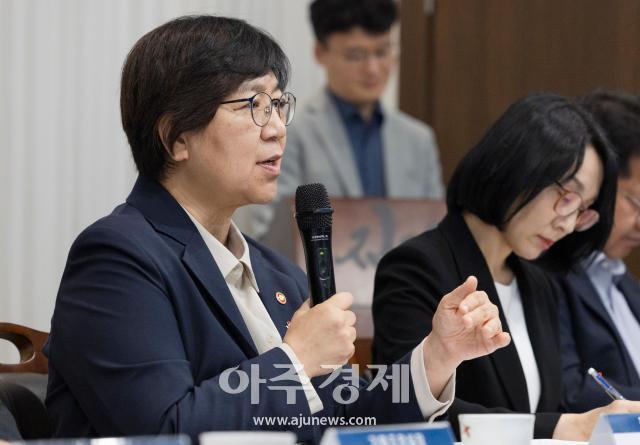
Minister Jeong Eun-kyeong expressed her commitment to a strong policy drive for key health care initiatives during a press conference held on June 11 in Jongno, Seoul. Among the most notable changes is the renewed focus on making hair loss treatments eligible for health insurance, a topic that has previously faced caution due to concerns about the financial health of the insurance system.
Jeong acknowledged the public's demand and suffering related to hair loss treatments, stating, "I deeply empathize with the national demand and pain regarding hair loss treatment." However, she also noted that the government must first consider the "priority of coverage" in relation to treatments for severe diseases and essential medical infrastructure.
While her comments appeared cautious and principled, insiders interpret them as a de facto announcement of a conditional rollout. The government aims to prevent financial leakage from indiscriminate coverage by establishing clear criteria for prioritizing specific target groups, such as those with severe hair loss or young individuals affected in their social lives, before gradually implementing the program starting in the second half of the year.
In conjunction with the push for hair loss coverage, discussions about raising cigarette prices, seen as a potential source of funding for health care, have also been cautiously reignited. Since the significant price adjustment in 2015, cigarette prices have remained stagnant for 11 years due to political considerations aimed at stabilizing living costs for the public. The current price structure, which falls short of inflation rates and the OECD average, continues to prompt calls for an increase from health and economic experts.
When asked about the possibility of raising cigarette prices or introducing a sugar tax, Jeong firmly stated, "We have not considered that at all." However, economic and welfare experts interpret this as a temporary pause rather than a permanent abandonment, aimed at minimizing public resistance to taxation and inflationary pressures.
To expand essential medical infrastructure and build a robust social welfare safety net, significant funding will be necessary. While the government may not immediately unveil specific plans to avoid market shocks, it has left the door open to raising cigarette prices in the future, using the justification of increasing tax revenue and enhancing public health.
Minister Jeong Eun-kyeong expressed her commitment to a strong policy drive for key health care initiatives during a press conference held on June 11 in Jongno, Seoul. Among the most notable changes is the renewed focus on making hair loss treatments eligible for health insurance, a topic that has previously faced caution due to concerns about the financial health of the insurance system.
Jeong acknowledged the public's demand and suffering related to hair loss treatments, stating, "I deeply empathize with the national demand and pain regarding hair loss treatment." However, she also noted that the government must first consider the "priority of coverage" in relation to treatments for severe diseases and essential medical infrastructure.
While her comments appeared cautious and principled, insiders interpret them as a de facto announcement of a conditional rollout. The government aims to prevent financial leakage from indiscriminate coverage by establishing clear criteria for prioritizing specific target groups, such as those with severe hair loss or young individuals affected in their social lives, before gradually implementing the program starting in the second half of the year.
In conjunction with the push for hair loss coverage, discussions about raising cigarette prices, seen as a potential source of funding for health care, have also been cautiously reignited. Since the significant price adjustment in 2015, cigarette prices have remained stagnant for 11 years due to political considerations aimed at stabilizing living costs for the public. The current price structure, which falls short of inflation rates and the OECD average, continues to prompt calls for an increase from health and economic experts.
When asked about the possibility of raising cigarette prices or introducing a sugar tax, Jeong firmly stated, "We have not considered that at all." However, economic and welfare experts interpret this as a temporary pause rather than a permanent abandonment, aimed at minimizing public resistance to taxation and inflationary pressures.
To expand essential medical infrastructure and build a robust social welfare safety net, significant funding will be necessary. While the government may not immediately unveil specific plans to avoid market shocks, it has left the door open to raising cigarette prices in the future, using the justification of increasing tax revenue and enhancing public health.
* This article has been translated by AI.
Copyright ⓒ Aju Press All rights reserved.