
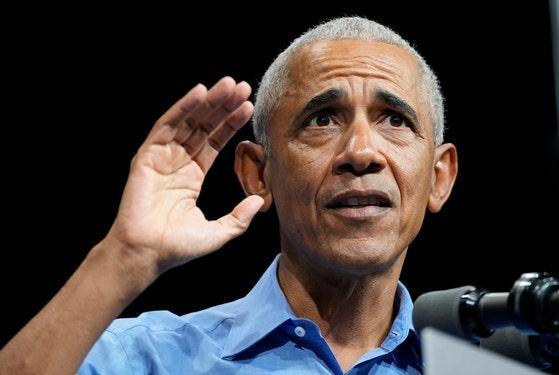
In an interview with ABC News on June 14, Obama stated, "I question whether any agreement that comes out will be markedly different or better than the one we initially reached."
These comments were made prior to the announcement of a ceasefire agreement between the U.S. and Iran, which aimed to end hostilities and reopen the Strait of Hormuz. However, discussions regarding Iran's nuclear program and sanctions relief are set to be addressed in subsequent negotiations.
The Obama administration signed the Joint Comprehensive Plan of Action (JCPOA) with Iran in 2015. Under this agreement, Iran agreed to limit its uranium enrichment levels and the number of centrifuges while allowing international inspections of its nuclear facilities, in exchange for the easing of sanctions by the U.S. and other nations.
Trump unilaterally withdrew from the agreement in 2018. Following this, Iran reduced its compliance with the deal and expanded its uranium enrichment activities, bringing the nuclear issue back to the forefront of U.S.-Iran tensions.
Obama also emphasized that military force alone cannot resolve the issues with Iran. He remarked, "Bombing may seem attractive, but it is not the solution. While diplomatic agreements may not solve all problems, they can serve as a means to avoid war."
His remarks suggest that Trump's negotiations with Iran could ultimately result in a modified version of the 2015 nuclear agreement that he had previously dismantled. Given that the ceasefire agreement focuses on halting the conflict and normalizing maritime transport, future nuclear negotiations are expected to revolve around Iran's uranium enrichment, the scope of international inspections, and the level of sanctions relief.
* This article has been translated by AI.
Copyright ⓒ Aju Press All rights reserved.