
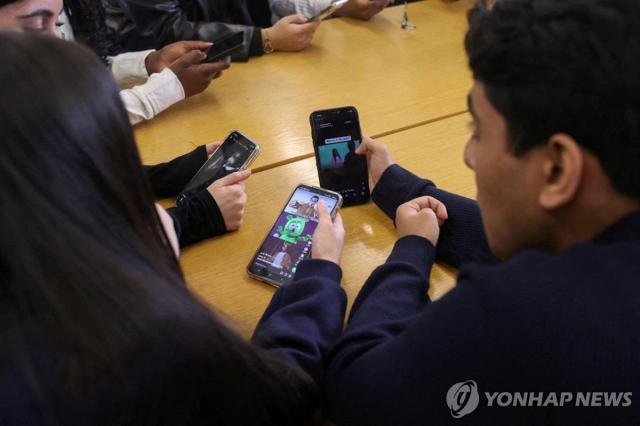
The UK is moving to implement a complete ban on social media use for individuals under the age of 16.
The proposed regulations will extend beyond social media to include online gaming and live streaming services, potentially making it one of the strictest youth online regulations in the world.
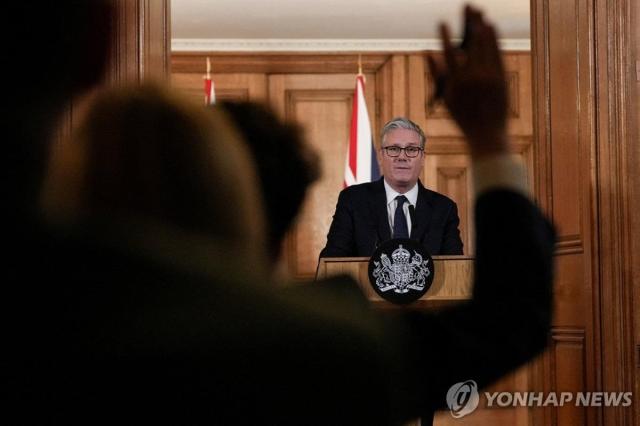
CNN reported that on June 15, UK Prime Minister Keir Starmer announced plans to introduce legislation banning social media use for those under 16, stating it would be "the strongest online protection measures in any country."
According to the UK government, the regulations will target platforms that allow user interactions and provide content through algorithms. As a result, major social media platforms such as TikTok, Instagram, Facebook, Snapchat, YouTube, and X (formerly Twitter) will be off-limits for users under 16. However, messaging services like WhatsApp and Signal will be exempt.
Starmer emphasized that the measures aim to support parents struggling to protect their children from online dangers, stating, "We will provide clear standards for what is safe and age-appropriate." The government plans to submit the bill to Parliament by the end of the year, with an implementation target of spring 2027.
This initiative follows a growing trend of youth social media regulations in Europe and Asia. CNN noted that Spain banned social media use for those under 16 in February, while Malaysia began implementing similar regulations this month. France, Denmark, and Norway are also pursuing comparable legislation.
Australia became the first country to ban social media use for those under 16 last December, although debates about its effectiveness continue. According to a survey by the Australian eSafety Commissioner, many youths still maintained social media accounts even after the ban. The survey of 898 parents with children aged 8 to 15 revealed that about 70% of youths who had accounts before the ban still kept them.
The UK government plans to strengthen regulations based on Australia's experience. In addition to banning social media, it intends to restrict live streaming and online communication with strangers for those under 16. These regulations will also apply to other online services, including gaming platforms.
Child protection organizations generally welcomed the move. Chris Sherwood, CEO of the National Society for the Prevention of Cruelty to Children (NSPCC), described it as a "turning point for child protection" and urged the government to demonstrate strong enforcement commitment.
In contrast, Big Tech companies raised concerns about the effectiveness of the measures. Meta told CNN that the ban could risk pushing youths to unregulated platforms without protective measures. Snap, the parent company of Snapchat, stated that disconnecting youths from friends and family may not necessarily lead to safer outcomes.
CNN reported that the UK government plans to outline specific enforcement strategies and exceptions in the future, suggesting that if implemented, the UK could become one of the countries with the strictest youth online regulations globally.
* This article has been translated by AI.
Copyright ⓒ Aju Press All rights reserved.