
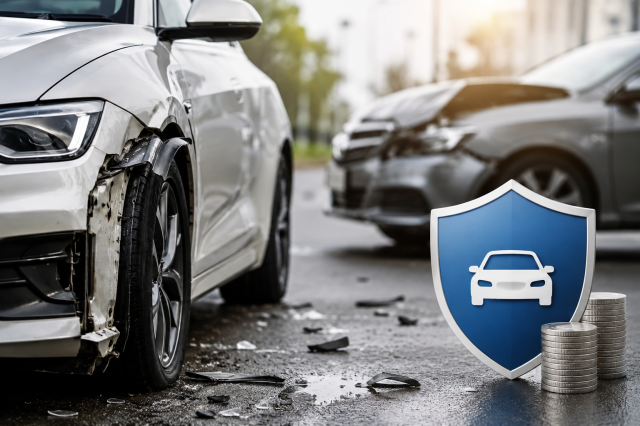
The loss ratio for electric vehicle insurance surpassed 108% last year, presenting new challenges for insurers. While the number of electric vehicle insurance policies nearly doubled over the past year, the average loss per accident was 1.7 times higher than that of internal combustion vehicles. As the adoption of eco-friendly vehicles accelerates, insurers face increasing financial burdens, yet raising premiums is complicated by cooperative finance policies aimed at easing consumer costs.
According to the insurance industry on June 17, the loss ratio for electric vehicle insurance reached 108.4% last year, up 5.3 percentage points from the previous year’s 103.1%. This figure is 21.2 percentage points higher than the loss ratio for internal combustion vehicles, which stands at 87.2%. Typically, a loss ratio around 80% is considered the breakeven point, making these figures significantly concerning.
Electric vehicles feature high-voltage batteries, electronic control units, and sensors, which are costly components, leading to longer repair times and higher average losses per accident compared to internal combustion vehicles. Notably, the battery, located under the vehicle, is prone to damage from curbs, speed bumps, and road structures, resulting in frequent replacements.
According to the Korea Insurance Development Institute, the average loss per accident for electric vehicles is 3.41 million won, compared to 1.96 million won for internal combustion vehicles, representing a 1.7-fold increase. In cases of fire or explosion, the average loss amounts to 16.68 million won, more than double the 7.26 million won for internal combustion vehicles. Additionally, electric vehicles are analyzed to have a relatively high proportion of personal injury accidents due to their low noise and rapid acceleration.
The issue is that as the adoption of electric vehicles expands, insurers' financial burdens are also increasing. The number of electric vehicle insurance policies rose from 269,000 in 2023 to 516,000 last year. During the same period, the loss ratio for electric vehicle insurance climbed from the 90% range to over 100%.
The pace of electric vehicle adoption is expected to accelerate further, driven by government policies promoting eco-friendly vehicles and intense competition among automakers. In fact, according to Kaizyu Data Research Institute, the number of new electric vehicle registrations last month reached 32,785, a 50.9% increase compared to the same month last year, which saw 21,727 registrations.
Insurers are attempting to mitigate the high loss ratios associated with electric vehicles by adjusting discount rates for special clauses, but they find these measures insufficient. Auto insurance must consider both consumer burdens and policy trends, making it difficult to directly reflect the rising loss ratios in premium rates.
Despite the worsening loss ratios in auto insurance, the government has recently introduced discount policies for vehicles participating in the five-day vehicle restriction system, emphasizing consumer benefits.
An insurance industry representative stated, “While we can partially reflect the high loss ratios of electric vehicles in premiums, auto insurance is a mandatory product that is heavily influenced by consumer burdens and policy trends. Therefore, it is increasingly challenging to pass on the rising loss ratios directly to consumers, especially as recent cooperative finance and consumer burden alleviation policies have intensified.”
* This article has been translated by AI.
Copyright ⓒ Aju Press All rights reserved.