

A copyright dispute over music usage in cafes and restaurants is escalating in Vietnam's food service industry. Concerns are growing among business owners as it has become clear that they must pay separate copyright fees to play music in their establishments. Meanwhile, opinions among Vietnamese netizens are divided on the issue.
According to a report by VnExpress on June 15, many major cafes and beverage franchises in Ho Chi Minh City are using popular playlists from online streaming platforms like Spotify, Apple Music, and YouTube Music to operate their in-store music. Some owners, who pay a monthly subscription fee of 65,000 dong (about $3), believed they could use the music without restrictions. However, the actual terms of service for these platforms only allow personal and non-commercial use.
Music in Cafes Considered 'Commercial Use'... Debate Over Fees
Experts explain that playing music in cafes and restaurants is not merely for personal enjoyment but constitutes commercial use that supports business activities. Lawyer Dao Tien Phong stated, "When a cafe plays music, it is subject to copyright and recording rights regulations, which creates an obligation to pay fees."
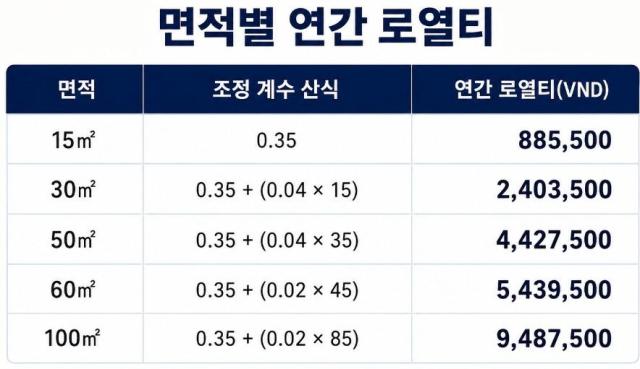
Under current Vietnamese regulation 17/2023, the annual copyright fee varies based on the size of the cafe. For establishments under 15 square meters, the fee is 885,500 dong; for 30 square meters, it is 2,403,500 dong; for 50 square meters, it is 4,427,500 dong; and for 100 square meters, it can reach up to 9,487,500 dong. The maximum annual fee is set at 2,024,000 dong.
Some business owners are expressing concerns about the additional financial burden. An owner of a bubble tea shop in Ho Chi Minh City noted that for a cafe larger than 30 square meters, applying all regulations could mean an annual cost of about 3 million dong, which is significant for small businesses with low profitability. He argued, "Playing music in the store itself promotes the artists and songs, making the copyright fees unfair."
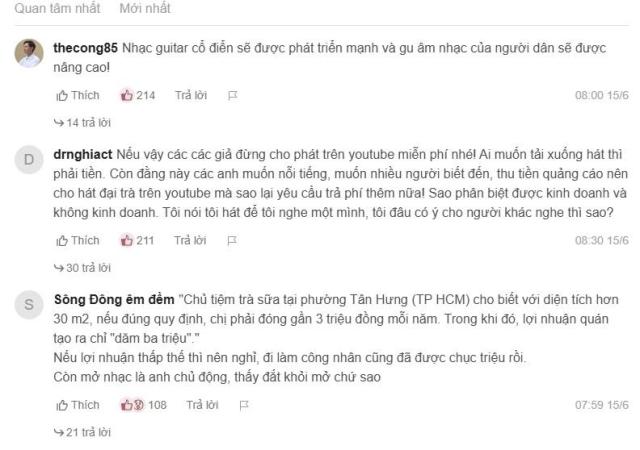
The article has sparked a variety of reactions among Vietnamese netizens. One of the most supported comments suggested, "Playing classical guitar would enhance the music experience and elevate people's musical tastes." Another user questioned the fairness of a system that requires additional fees while music is freely available on YouTube, stating, "It’s hard to understand why they demand extra costs while gaining fame and ad revenue from free releases."
However, there are also opinions that suggest the burden of copyright fees is not a significant issue. One user remarked, "You can just not play music," and suggested that if profits are low, closing the business might be an option. Another added, "If copyright fees are too burdensome, then perhaps running a cafe isn’t the right choice."
Some voices are proposing AI-generated music as an alternative. Users suggested, "Just create music with AI," and warned that if fees continue, cafes might opt for AI music instead. Others argued that music itself may not be necessary, with one user stating, "Customers don’t come to listen to music; they come to talk with friends," and noted that many prefer a quiet atmosphere, suggesting that individuals could listen to their own music through earbuds.
This controversy reflects a broader debate in Vietnamese society about balancing the protection of music creators' rights with the financial burdens faced by small business owners. Experts analyze that the food service industry is gradually moving towards a compliance management system that includes copyright considerations.
* This article has been translated by AI.
Copyright ⓒ Aju Press All rights reserved.