
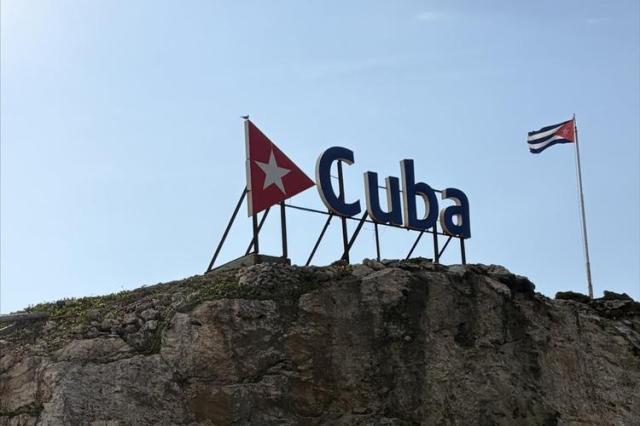
On June 18, local time, the Cuban Communist Party approved emergency measures that include restructuring state-owned enterprises and expanding private business activities. Prime Minister Manuel Marrero presented the proposals to the National Assembly, Cuba's legislative body, and initiated the legislative process.
The measures encompass 175 actions designed to provide more opportunities for private entrepreneurs, ease price controls, and grant state-owned enterprises greater autonomy in management decisions. Attracting foreign investment and reforming the financial system are also highlighted as key priorities.
The plan includes expanding private participation in real estate development and finance, as well as converting some state-owned enterprises into entities capable of trading stocks and shares.
In a speech concluding a temporary plenary session of the Communist Party's Central Committee, President Miguel Díaz-Canel stated, "The current situation demands urgent and essential changes." He emphasized that, at a time when the lives of citizens have become so difficult, the responsibility of the Communist Party and the government is not to excuse the crisis but to change what needs to be changed.
Díaz-Canel did not solely attribute the crisis to U.S. sanctions. He pointed out that "obstacles are not only external or due to the embargo," noting that slow responses, bureaucracy, various regulations, and postponed decisions are also crippling the domestic economy.
The Cuban government cited China and Vietnam as reference models for these reforms. Cuba is facing severe challenges due to intensified U.S. sanctions, energy shortages, rising prices, and power outages.
* This article has been translated by AI.
Copyright ⓒ Aju Press All rights reserved.