
Toyota RAV4 Gets Complete Redesign After Seven Years

by Oh Jooseok Posted : June 20, 2026, 00:04Updated : June 20, 2026, 00:04
Photo by Oh Ju-seok
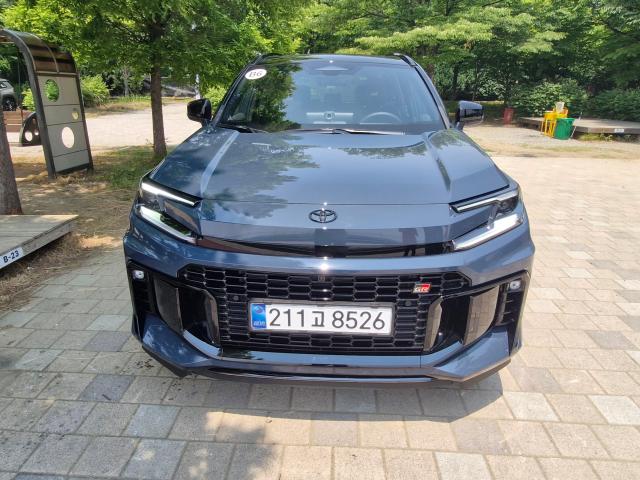
The front view of the RAV4 parked near the Incheon Bridge Memorial Hall. [Photo by Oh Ju-seok]
Photo by Oh Ju-seok
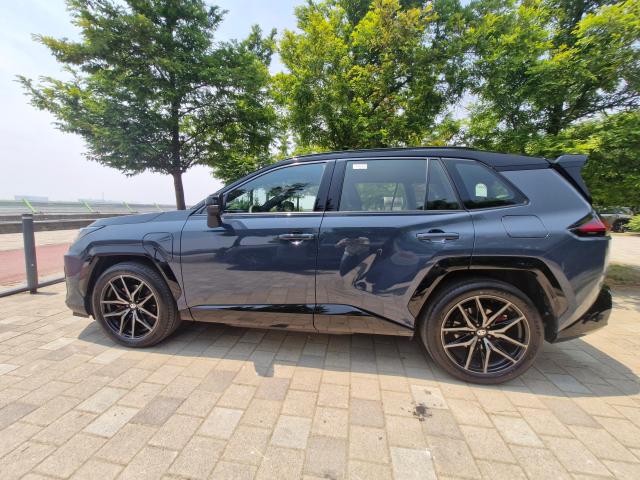
The side view of the RAV4 parked near the Incheon Bridge Memorial Hall. [Photo by Oh Ju-seok]
Toyota's flagship mid-size SUV, the RAV4, has returned with a complete redesign after seven years. Featuring an enhanced hybrid system and a plug-in hybrid lineup, it aims to satisfy both daily commuting and leisure needs for families.

During a test drive event held on June 17 at the Paradise City Grand Ballroom in Yeongjongdo, participants drove the all-new RAV4 for approximately 127 kilometers around Yeongjongdo, Songdo, and Muido.
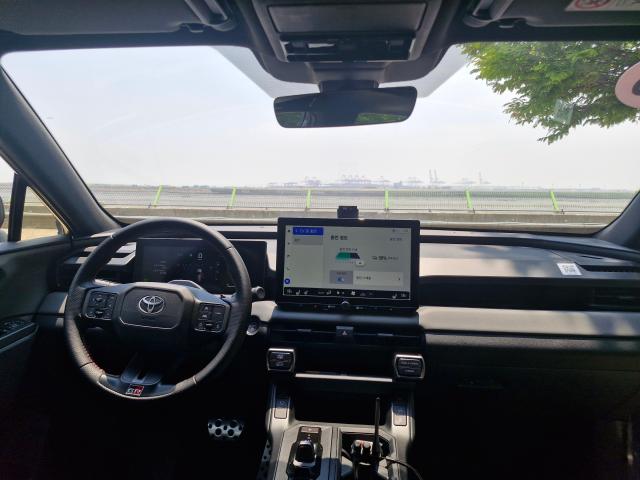
Photo by Oh Ju-seok
The driver's seat of the RAV4. [Photo by Oh Ju-seok]
The first vehicle driven was the top trim RAV4 GR Sport, based on the plug-in hybrid (PHEV) platform. The first thing that caught the driver's eye was the spaciousness of the cabin. Thanks to a horizontal layout and a lowered instrument panel, the forward visibility has improved significantly. The ample space also hints at why it is popular in the U.S. market.

The plug-in hybrid model can travel up to 77 kilometers on electric power alone. It combines a 2.5-liter inline four-cylinder gasoline engine with a 22.68 kWh lithium-ion battery. Compared to the previous generation, the battery capacity has increased by 25%, extending the electric-only driving range. This allows for electric vehicle-like usage for daily commutes.

Near the Incheon Bridge Memorial Hall, the test drive switched to a pure hybrid trim. Driving through the Wangsan Marina, the vehicle's Japanese driving technology was evident. The relatively lighter battery contributed to a stable driving experience.
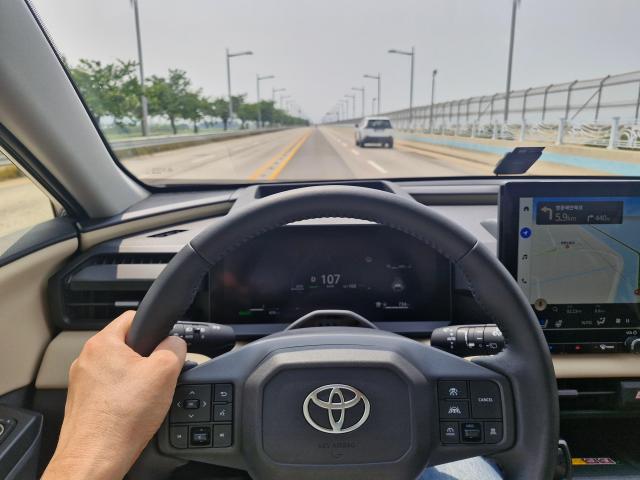
Photo by Oh Ju-seok
The RAV4 cruising on the highway. [Photo by Oh Ju-seok]
The quietness of the ride has also seen significant improvement. Despite a slight increase in body size, the vehicle displayed stable handling and a smoother ride. The improved TNGA-K platform has increased body torsional rigidity by about 10% compared to the previous model, and high-damping adhesives have been applied to reduce minor vibrations.

At the Luxpia Camping Ground, the plug-in hybrid model was tested again. At this point, the electric driving range was nearly depleted, so only hybrid mode was available. It felt heavier compared to the pure hybrid model; however, the larger battery provided a noticeable boost in acceleration.

During the drive, the integration of the internal combustion engine felt natural, and the setting focused on comfort for everyday driving was evident. Even at speeds of up to 140 kilometers per hour, the vehicle maintained a stable driving sensation without any noticeable shaking.
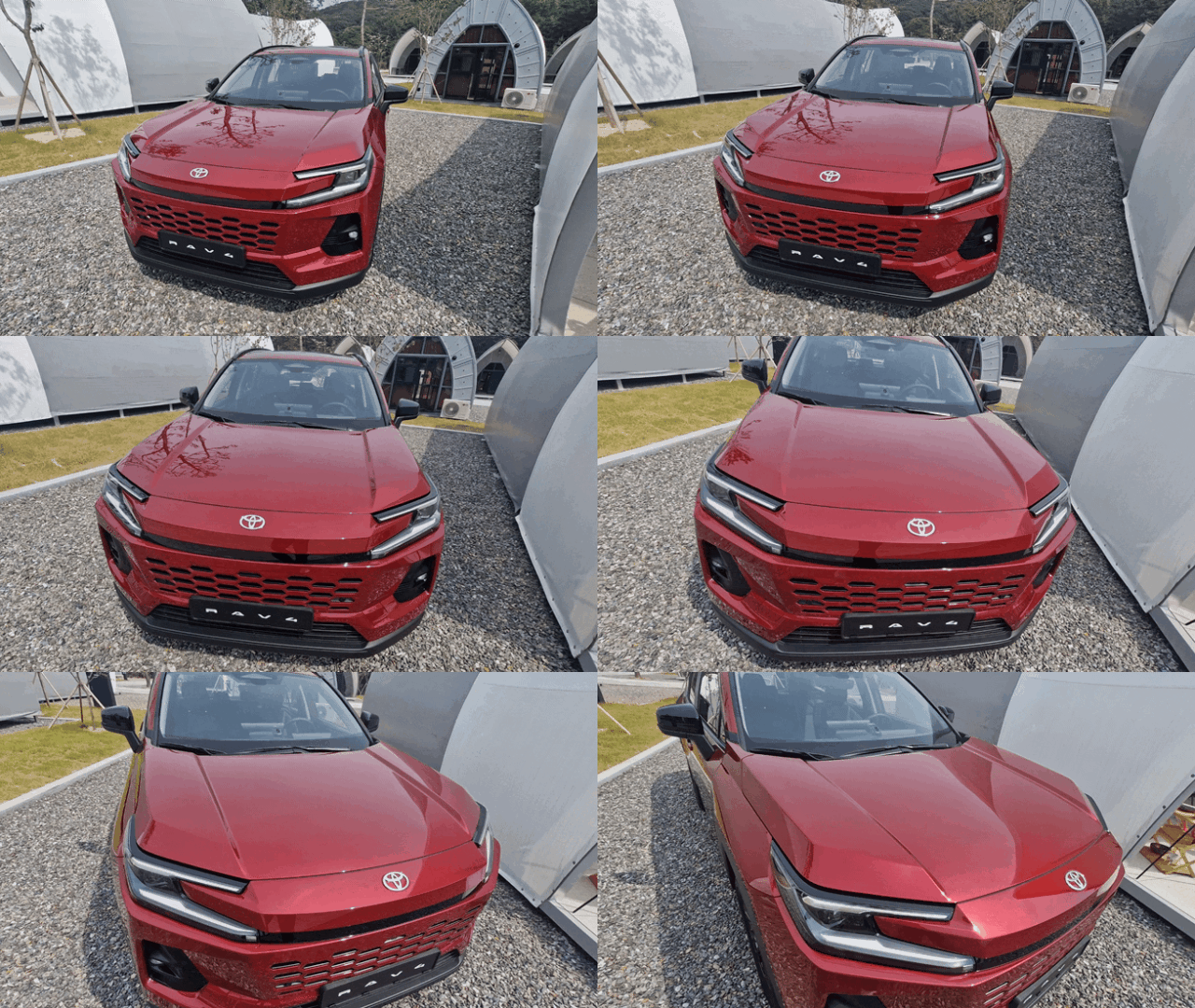
Photo by Oh Ju-seok
The RAV4 displayed at the Luxpia Camping Ground in Incheon. [Photo by Oh Ju-seok]
The voice recognition feature of 'Toyota Connect' also stood out. From the driver's seat, requests such as "Find nearby gas stations," "Turn on the air conditioning," and "Tell me the weather" were met with immediate responses, guiding the driver to the destination and activating the climate control functions.

Manabu Konyama, president of Toyota Korea, stated, "The demand for plug-in hybrids is steadily increasing. I hope the RAV4, which allows for enjoyment in both daily life and travel, will be a hit in the domestic market."


* This article has been translated by AI.