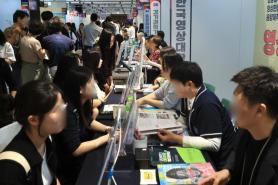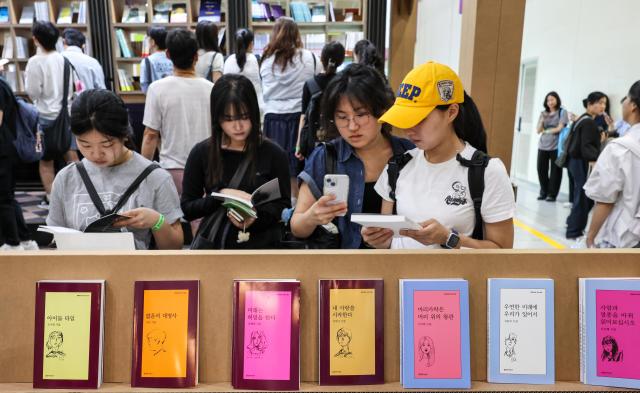
SEOUL, June 24 (AJP) - In an age of short-form videos and instant answers, reading a book may gradually become a rarity — and perhaps even a luxury, something admired and increasingly envied. That may explain the crowds.
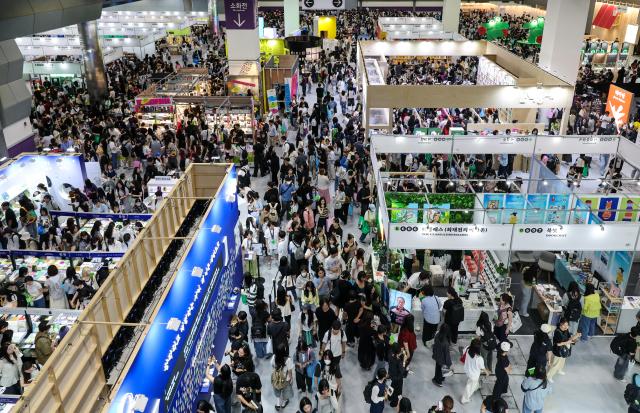
The 2026 Seoul International Book Fair opened on June 24 for its 68th edition, bringing together 538 publishers, literary agencies and publishing-related organizations from 18 countries. As in recent years, tickets sold out in advance and visitors lined up before the doors opened. Books themselves no longer seem to be the sole attraction.
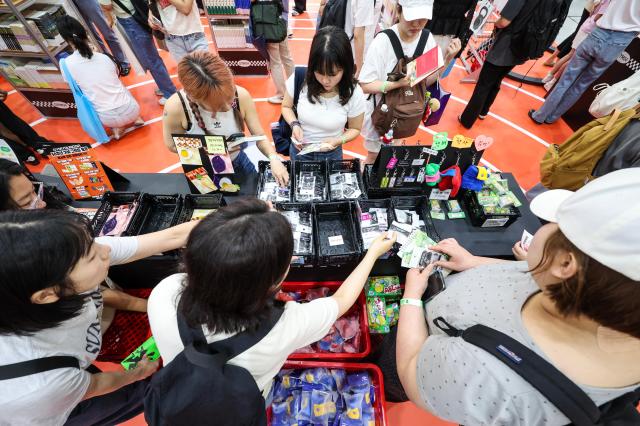
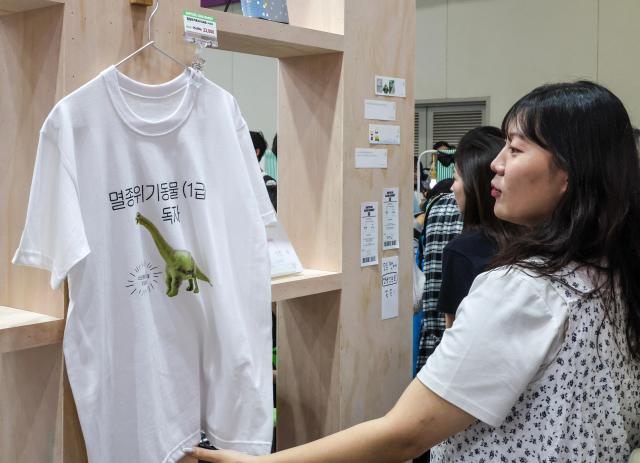
People came to meet writers, collect merchandise, browse independent publishers and participate in a broader ecosystem surrounding reading. Throughout the exhibition halls, visitors moved among art books, bookmarks, stickers, postcards and notebooks, turning reading from a private activity into a collective cultural experience. The phenomenon is often described as "Text Hip" — a generation treating books not merely as a hobby but as an extension of identity and lifestyle.
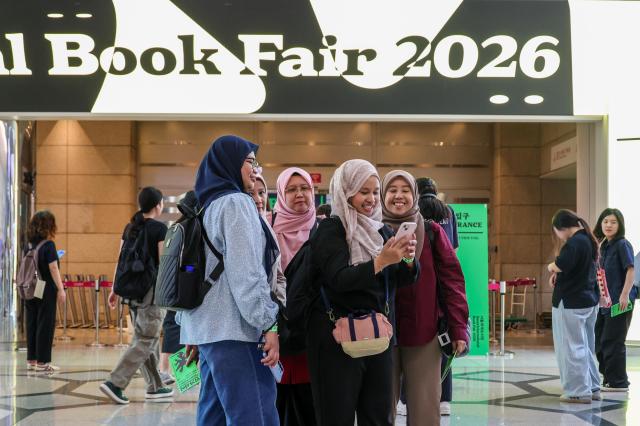
The irony is striking. Generative AI can now summarize books, answer questions and organize information within seconds. From a purely utilitarian perspective, books have become one of the least efficient ways to consume information. Yet people continue to flock to book fairs.
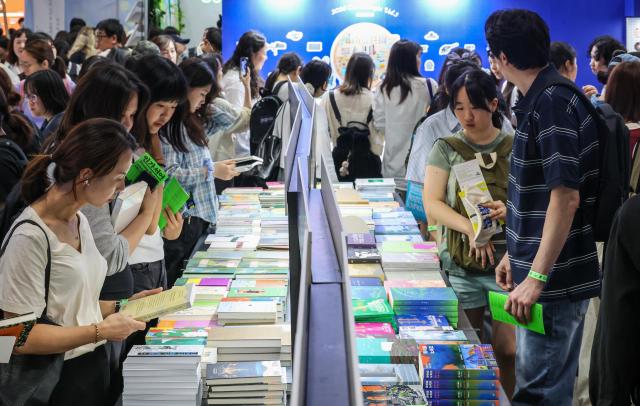
According to the Ministry of Culture, Sports and Tourism's 2025 National Reading Survey, South Korea's annual comprehensive reading rate among adults stood at 38.5 percent, while the average number of books read per year was just 2.4. Reading is becoming less common, but book culture appears more visible than ever. Perhaps books are no longer competing against AI on information. They are competing on humanity.
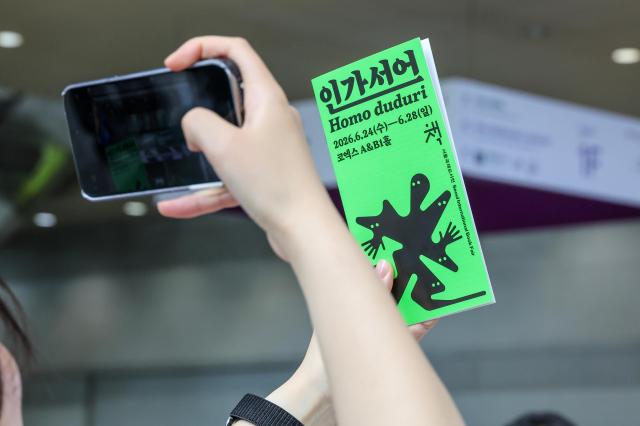
This year's theme, "Declaration of Humanity: Homo Duduri," reflects that shift. Homo Duduri refers to a human being who continues to ask questions and explore possibilities in an age when artificial intelligence supplies instant answers. Derived from an archaic Korean term for a blacksmith, Duduri represents someone who confronts uncertainty and forges new tools rather than retreating from it.
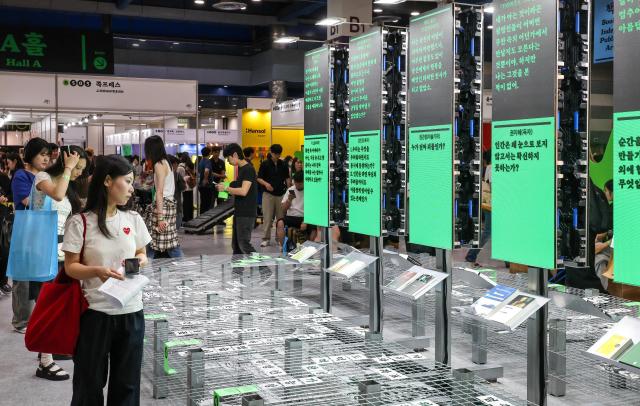
Throughout the fair, novelists, actors, scientists and artists are exploring a similar question: What remains uniquely human when machines can increasingly think, write and answer for us? Perhaps that is why the long lines feel significant. People may no longer gather around books because they are the fastest way to learn something.
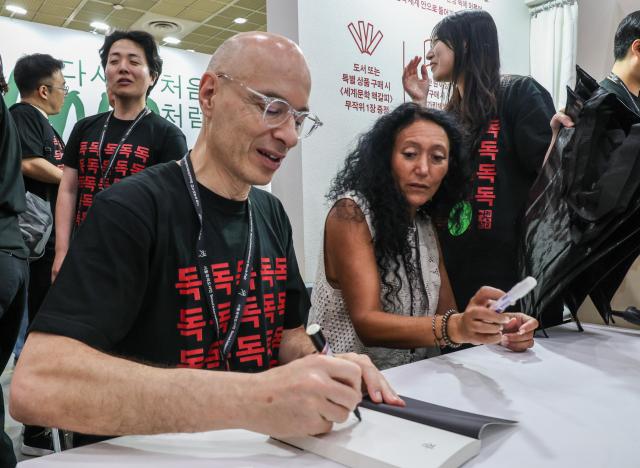
They gather because books are becoming one of the few places where slowness itself carries value. In the short-form and AI age, reading may become an increasingly rare act of resistance — a deliberate decision to linger rather than scroll, to contemplate rather than consume. The long lines at the Seoul International Book Fair may not be a search for answers at all. They may be a search for better questions.
Copyright ⓒ Aju Press All rights reserved.