
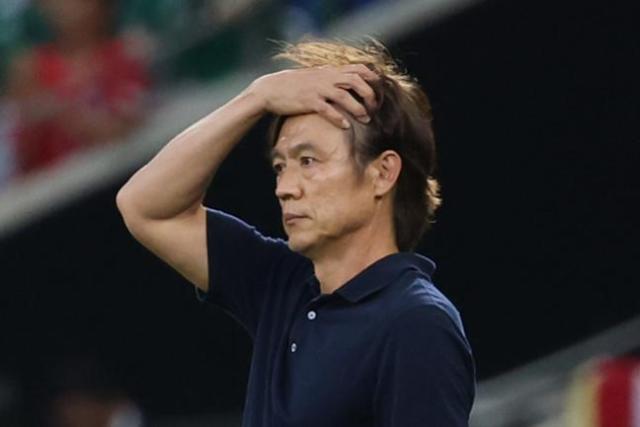
Korean soccer finds itself once again on the brink of disaster. In the group stage of the 2026 North and Central America World Cup, the national team finished third in Group A with one win and two losses. They are now waiting for results from other groups to determine their fate in advancing to the knockout stage. Players have expressed their determination, stating, "We will give it our all." While their urgency is understandable, the responsibility for the team's struggles cannot solely be placed on the players' lack of effort. The more significant issue lies off the field: the structure and operation of the Korea Football Association (KFA).
While the team's performance is evident on the field, the roots of failure grow from administrative shortcomings. When the processes for selecting coaches, enhancing team strength, managing the board, and accountability are all unclear, the same controversies will persist regardless of who is in charge. The recent years have seen consistent issues with the KFA, including the hiring and dismissal of head coach Jurgen Klinsmann, failure to qualify for the Paris Olympics, controversies surrounding the appointment of Hong Myung-bo, and attempts to pardon those involved in match-fixing scandals. Decisions have been closed off, explanations have been lacking, and accountability has vanished after failures.
An audit by the Ministry of Culture, Sports and Tourism also highlighted problems in the coach selection process. When procedures are shaky, the authority of the national team is undermined. Fans' anger stems not just from poor results but from an accumulation of unfair processes, incomprehensible decision-making, and a culture of unaccountability.
The KFA is the highest administrative body for Korean soccer, responsible for more than just the national team. It oversees youth development, coach education, referee systems, women's soccer, recreational soccer, collaboration with the K League, and enhancing international competitiveness. If such an organization is criticized for being trapped in specific networks, practices, and internal logic, the future of Korean soccer will inevitably narrow. Without professional administration, on-field performance will not endure.
The success of the 2002 Korea-Japan World Cup was not solely due to the capabilities of coach Guus Hiddink. The national team prioritized skill over reputation, standards over practices, and preparation over appearances. A combination of physical fitness, organization, scientific training, and fair player selection was key.
Reforming the KFA is no longer optional. First, the coach selection process must be institutionalized within a transparent framework. Candidate pools, evaluation criteria, meeting records, and decision-making authority need to be clearly defined. Second, the Strengthening Committee must be ensured independence and professionalism to avoid becoming a mere formality. Third, the structure and decision-making processes of the KFA board must be opened up. Representation should include not only soccer professionals but also experts in administration, law, accounting, sports science, and fan representation. Fourth, a clear accountability system for failures must be established. The approach of merely changing coaches after each failure while leaving the KFA unchanged is no longer viable.
What is needed now is not just the replacement of a coach but a complete overhaul of the KFA's operational structure. The future of Korean soccer cannot rely solely on the players' determination. Fair processes, professional administration, and accountable leadership must be in place. If the KFA cannot change its structure, there will be no future for Korean soccer. The current crisis is not just about poor performance; it is a matter of lost trust. Restoring soccer to the hearts of the people must begin with reforming the association.
* This article has been translated by AI.
Copyright ⓒ Aju Press All rights reserved.