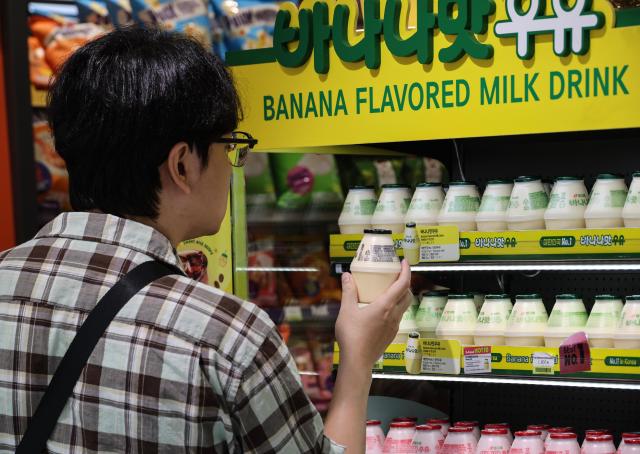
SEOUL, June 29 (AJP) - Milk may have arrived from the West, but banana milk is unmistakably Korean.
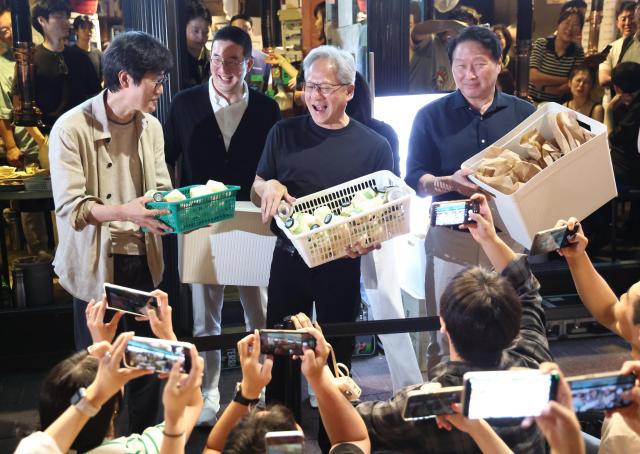
It is also a favorite of the Huang family. Nvidia CEO Jensen Huang and his daughter Madison are known to hand out bottles of the iconic yellow drink whenever they visit South Korea, introducing friends and colleagues to one of the country's simplest—and perhaps most enduring—culinary souvenirs.
Half a century after its debut, the squat yellow bottle has become something of a rite of passage for foreign visitors.
On a hot Monday afternoon in Seoul's Myeong-dong shopping district, tourists streamed in and out of convenience stores with shopping bags in one hand and the distinctive bottle in the other. Some twisted open the cap before leaving the store. Others tucked several bottles into baskets already filled with seaweed snacks, instant ramen and sheet masks.
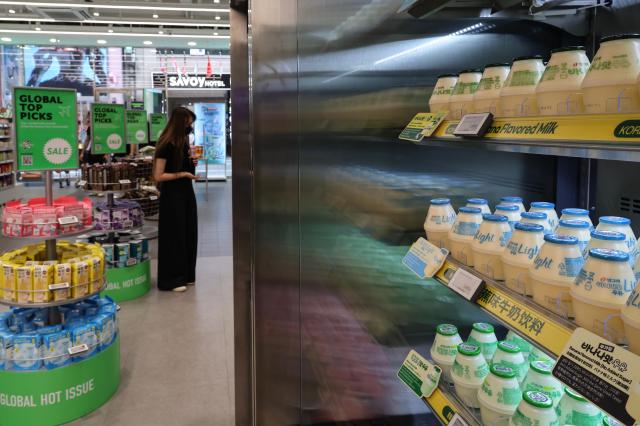
The drink was almost impossible to miss. Convenience stores stacked banana milk beside their entrances, refrigerators and checkout counters, turning the familiar yellow bottle into one of the neighborhood's unofficial mascots.
A group of German tourists said tasting banana milk was on their Korea checklist. "We heard Korean banana milk is famous, so we wanted to try it," one traveler said after emerging from the refrigerator aisle. "We even made the banana milk latte we saw on social media."
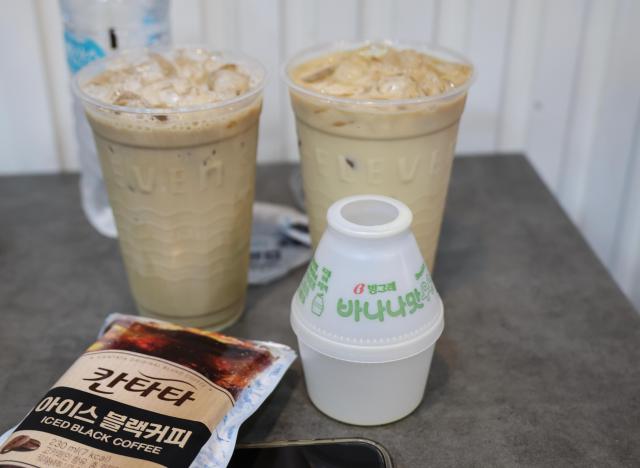
First introduced in 1974, banana-flavored milk has long occupied a special place in Korean daily life. For generations it was inseparable from visits to neighborhood bathhouses, where the chilled drink became the traditional reward after a soak. Today its audience is far broader.
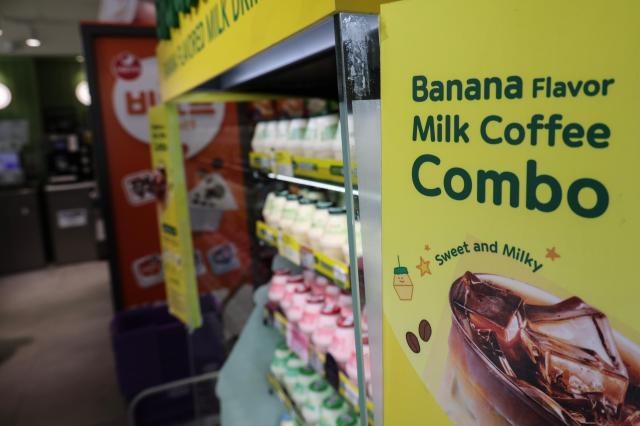
Travel videos, TikTok clips and Instagram reels have transformed the once-local favorite into a global curiosity, with countless visitors arriving in Seoul already knowing exactly what the bottle looks like—and where to find it. The numbers suggest they are finding much more than banana milk.
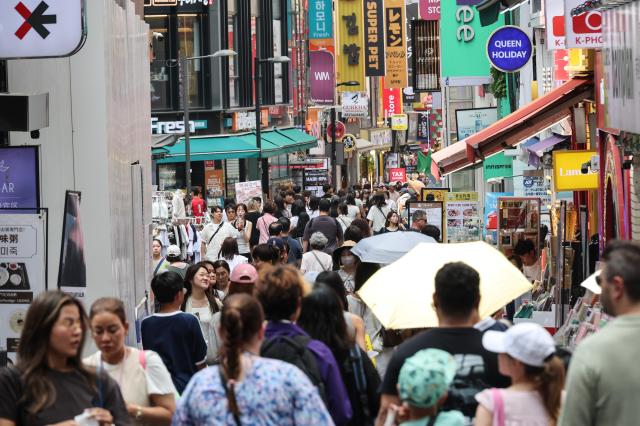
South Korea welcomed a record 4.74 million foreign visitors during the first quarter of 2026, the highest January-to-March total on record, according to the Korea Tourism Organization. Foreign visitors spent 2.12 trillion won ($1.5 billion) on Korean-issued credit cards in May, surpassing the 2 trillion-won mark for the first time.
In tourist districts such as Myeong-dong, that spending often begins with something surprisingly small.
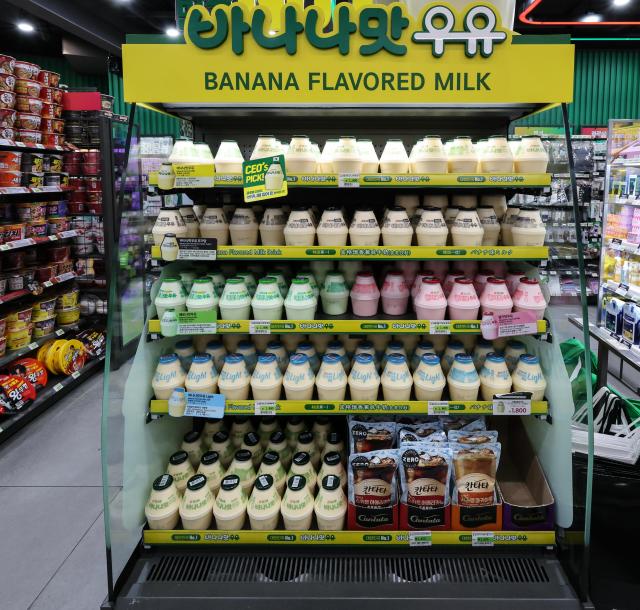
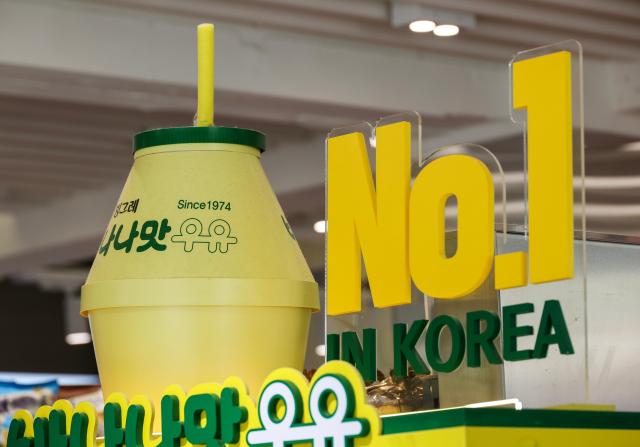
One yellow bottle.
For many visitors, banana milk has become less of a beverage than a travel ritual—a first taste of Korea, a social media photo, a souvenir and, for some, the beginning of a search for other convenience-store favorites.
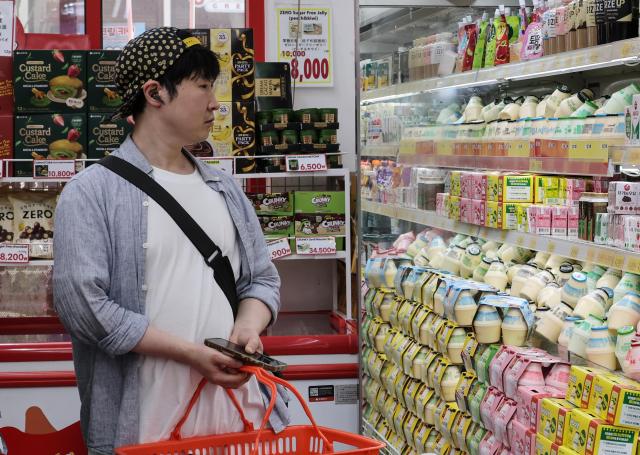
Half a century after it first appeared on store shelves, Korea's yellow milk continues to prove that sometimes the country's biggest cultural ambassadors come not from concert stages or television screens, but from the refrigerated aisle of a neighborhood convenience store.

Copyright ⓒ Aju Press All rights reserved.