
Japan has significantly increased the visa application fees for foreign visitors for the first time in 48 years. This decision comes as the number of foreign visitors to Japan has surged, leading to higher administrative costs associated with visa issuance. While Japan aims to attract 60 million foreign visitors, it is also shifting the financial burden of increased tourism costs onto travelers.
The Nikkei reported on July 2 that the Japanese government raised the visa application fees by five times starting July 1. The fee for a single-entry visa has increased from 3,000 yen (approximately $29) to 15,000 yen (about $143), while the fee for a multiple-entry visa has risen from 6,000 yen (around $57) to 30,000 yen (approximately $287). This is the first change in visa fees since 1978. The Japanese Ministry of Foreign Affairs is required to consider actual processing costs and exchange rates when setting visa fees. The government has noted that the rising number of visitors has increased the costs associated with visa issuance. It expects to generate about 120 billion yen in additional revenue from this fee increase.
Despite the substantial increase, the Japanese government maintains that the new fees are not excessive compared to those in other major countries. A senior official from the Ministry of Foreign Affairs told the Nikkei, "The fees have not reached a level that would make visiting Japan disadvantageous compared to other major countries." For example, the short-term visa fee is $185 in the United States, £135 in the United Kingdom, and CAD 100 in Canada. The fee for Schengen Area countries in Europe is €90, which is similar to Japan's new single-entry visa fee.
Chinese visitors are expected to be the most affected by this fee increase. Currently, Japan offers visa exemptions for short-term stays to travelers from 74 countries and regions, including South Korea and the United States, under certain conditions. According to the Ministry of Foreign Affairs, about 80% of foreign visitors to Japan last year entered without a visa. In contrast, travelers from over 120 countries, including China, the Philippines, and Vietnam, still require a visa to visit Japan. Last year, Japan issued over 7.86 million visas, the second-highest number since before the COVID-19 pandemic in 2019, with 5.71 million issued to Chinese nationals, accounting for approximately 73% of the total. The Nikkei noted that the increase in Chinese tourists has contributed to the rise in visa issuance. Consequently, the burden of the new fees will largely fall on Chinese visitors.
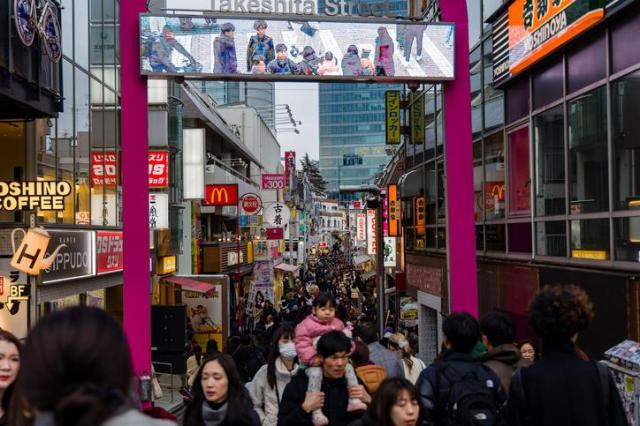
Japan continues to pursue policies aimed at increasing foreign visitors. Last year, the number of foreign entrants reached a record 42.43 million. The government has set a target of welcoming 60 million visitors by 2030.
However, the surge in tourists has also led to growing concerns about overtourism. On the same day, the Japanese government raised the international tourism passenger tax, known as the departure tax, from 1,000 yen to 3,000 yen. This tax applies not only to foreign visitors leaving Japan but also to Japanese citizens traveling abroad. The government plans to use the increased tax revenue to address overtourism issues. Additionally, some tourist sites are raising their fees. For instance, Himeji Castle in Hyogo Prefecture increased the admission fee for visitors aged 18 and older who are not residents of Himeji from 1,000 yen to 2,500 yen, citing rising costs for cultural heritage preservation and repairs.
South Korean travelers are exempt from visa requirements for short visits, so the direct impact of the visa fee increase is minimal for them. However, the increase in the departure tax will also affect South Korean tourists, slightly raising the cost of traveling to Japan.
* This article has been translated by AI.
Copyright ⓒ Aju Press All rights reserved.