
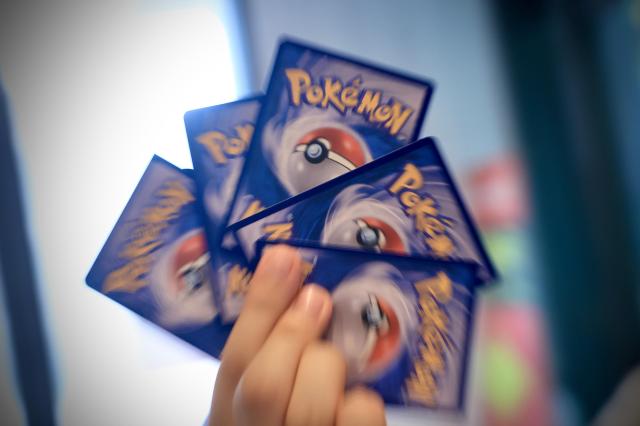
For many young South Koreans in their 20s and 30s, purchasing a home or investing in the stock market feels out of reach. Instead, a rare Pokémon card has become both a comfort and a luxury item.
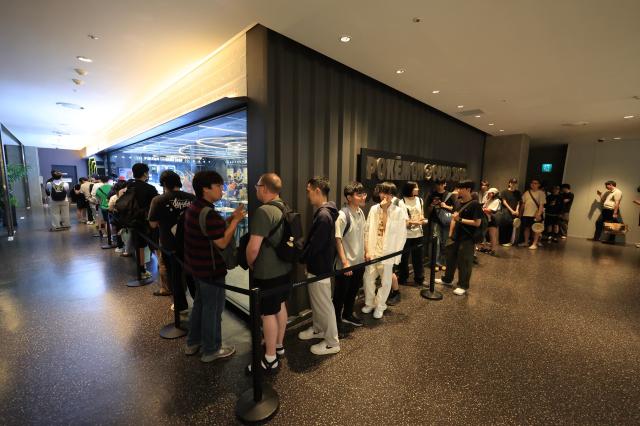
Outside a store in Yongsan, Seoul, dozens of collectors lined up well before the 10:30 a.m. opening. Within just 10 minutes of registration, 63 teams were waiting on the kiosk tablet. As they anxiously tapped their feet, security personnel organized the queue.
The majority of those in line were young, with a roughly equal mix of men and women, along with a few in their 40s and some foreigners. Their common goal was clear: to purchase Pokémon cards at retail prices before resellers could get them.
This phenomenon has become commonplace. A box of the 'VSTAR Universe' product, released in January 2023, originally sold for 50,000 won. However, it is now trading for about 130,000 won on Collectory, a popular price comparison site among South Korean collectors, indicating a significant shortage of stock.
A manager at the Pokémon Korea store declined an interview but noted, "The crowds have started forming in the last month or so." This surge coincides with Pokémon's 30th anniversary celebrations worldwide this year.
When asked why they wait in line, collectors rarely cite money as their primary motivation. Kim Jun-hyung, 29, who began collecting about three years ago, said, "I grew up watching Pokémon, and now that I have some financial freedom, I can finally spend money on the characters and memories I loved as a child." He described the thrill of opening a pack as a sweet addiction, saying, "That dopamine rush is enjoyable."
Others find a quieter charm in the hobby. Kim Eun-je, 26, shared, "I like cute things, and since my girlfriend also enjoys them, it has become a habit for us to sit together and open cards."
To better understand the economic dynamics, Kim Jun-hyung purchased two boxes from a resale shop, as the official store was too crowded. He spent about 110,000 won, nearly double the retail price of 60,000 won for each box.
While he received cards featuring Pokémon characters, the results were disappointing. The rarest cards, known as special illustration cards, collectively fetched less than 30,000 won on the resale market.
The resale ecosystem operates through familiar channels. Pricing begins with cross-referencing recent sales on sites like Collectory and large Naver Cafe trading boards.
A new term has emerged to describe this activity: 'Pokétech,' a blend of 'Pokémon' and personal finance.
Transactions occur through various platforms. On local trading app Danggeun, buyers and sellers negotiate in person, while resale platforms like Cream and various online malls facilitate shipping cards.
Risks are inherent in the process. Kim Jun-hyung noted, "The scary part about buying secondhand is that the cards could be fake or in poor condition."
To enhance safety, some collectors seek out unofficial card trading shops. However, the real challenge lies in 'grading'—evaluating how well the card's image is centered, checking for corner damage, and assessing its flatness and sturdiness.
Grading, however, comes at a cost, making it a gamble. A poor result can lead to additional losses.
Kim Jun-hyung has sold cards before, but not for profit. He explained, "I sold duplicate cards on Danggeun, but it wasn't about the money. I wanted to keep one of each type and sell the rest to buy new cards." Still, he estimates his spending exceeds 1 million won, excluding minor purchases he can't recall.
Kim Eun-je estimates his total spending, including secondhand transactions, at around 2.5 million won.
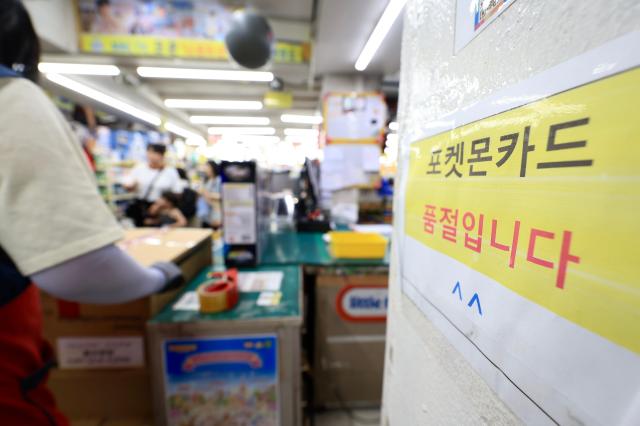
Promotional cycles appear to recur roughly every five years. During the 25th anniversary, South Korea received a 'Golden Box' containing promotional cards and merchandise, originally priced at 200,000 won. Today, it trades for about 1.32 million won on platforms like Cream and Danggeun, more than six times its original price.
The 30th-anniversary product is set to launch in September, with pre-orders already available on Amazon.
Ironically, this craze did not originate in South Korea. The resale phenomenon has long been a cultural punchline in the United States, often satirized online as 'Pokémon card scalpers.'
American shoppers line up for restocks at Walmart, and theft of card packs makes headlines. Stores in Japan and Singapore have begun opening booster boxes at the register to prevent so-called 'flippers.'
On May 1, South Korea experienced its own shock. During the 30th-anniversary 'Pokémon Mega Festa 2026,' about 40,000 people flocked to a narrow alley in Seongsu-dong to obtain a free Magikarp promotional card.
The crowd was so overwhelming that police were dispatched before 11 a.m., mobile data in the area was disrupted, and the organizers canceled the giveaway for safety reasons. Although the card did not find an official owner that day, listings appeared on resale platforms within hours, priced between 100,000 and nearly 380,000 won. One seller, pressed on pricing, argued that he was actually losing money compared to higher prices on eBay.
◇ What’s Driving the Craze
So why is this wave peaking in South Korea now? Is it about money, or the iconic Pikachu?
Collectors point to a surge in new participants. Kim Jun-hyung remarked, "With Pokémon celebrating its 30th anniversary, there are more events, and now every internet broadcaster is creating Pokémon card content. A huge influx of people in their teens to 30s has joined."
The generation that grew up playing the original game in 1996 is now in their 30s and 40s, possessing disposable income and a sense of nostalgia.
Researchers note that nostalgic experiences can alleviate feelings of anxiety and loneliness, explaining why people return to childhood hobbies during uncertain times.
Lee Eun-hee, an emeritus professor of consumer studies at Inha University, stated, "Those who loved Pokémon as children have grown up, and it seems they are immersing themselves in what they once enjoyed through these cards." She added, "In the past, people collected stamps, but there were few platforms for selling them. As the hobbyist population has expanded and it has become easier to connect buyers and sellers, trading has become much more active and smooth. This could also explain the increased demand."
Statistics support this trend. The global trading card market is estimated to be worth about $13 billion and is projected to nearly double by the mid-2030s. eBay and StockX have reported over a 45% increase in card sales compared to the previous year. Analysts attribute this appeal to a mix of nostalgia, alternative asset hunting, and the pure thrill of the chase, similar to the sneaker and watch booms of the past. However, this combination can also lead to rapid downturns when liquidity dries up.
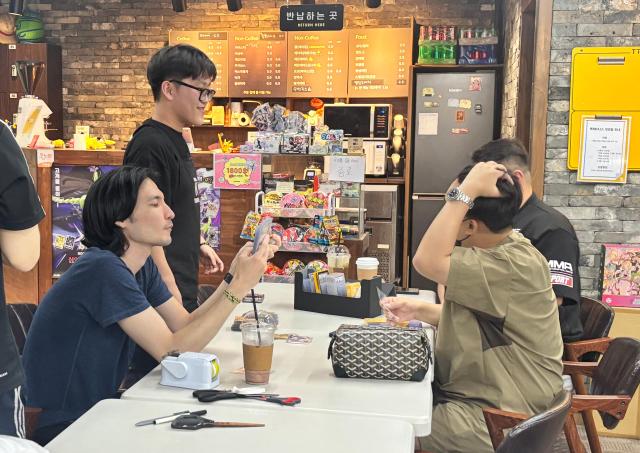
Not everyone welcomes speculators. Kim Jun-hyung expressed disdain for those flipping cards for profit, saying, "I don't view them positively. This was a culture for enthusiasts and true fans, but those chasing money have caused stockpiling and price surges. This cycle repeats every five years, and I can never get used to it."
This vulnerability is a trap. Industry forecasts warn that card spending closely follows disposable income, and economic downturns or inflation could quickly shrink the market. The same anxious atmosphere that fuels the boom could ultimately burst it.
Currently, South Korea is undeniably in an expansion phase. The retail price of booster packs rose by 50% in June, from 1,000 to 1,500 won. The company cited rising raw material and logistics costs as the reason. Resales typically emerge three to six months after scarcity begins. For buyers staring at empty shelves, this is little consolation.
Returning to the line in Yongsan, the calculations were simpler than any market chart. The crowd is new, the cards are scarce, and yet everyone wants them.
* This article has been translated by AI.
Copyright ⓒ Aju Press All rights reserved.