
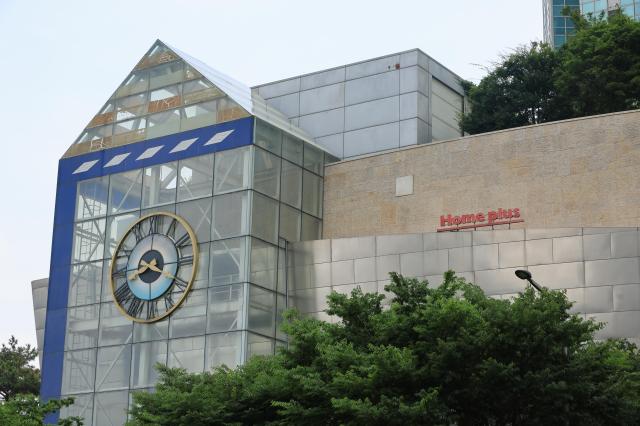
SEOUL, July 03 (AJP) - The Seoul Bankruptcy Court terminated the corporate rehabilitation proceedings of Homeplus on Friday, putting South Korea's second-largest retail chain on a path toward bankruptcy unless a buyer steps forward in the coming weeks.
Rehabilitation Division 4 of the court, headed by Jung Jun-young, president of the Seoul Bankruptcy Court, who presided over the case, ruled that the revised restructuring plan Homeplus submitted on June 30 was unlikely to succeed. The plan called for narrowing operations to 67 core hypermarkets to restore profitability, but it offered no concrete way to raise the two hundred billion won, about 130 million dollars, that the company needed to carry out the overhaul. The court had already pushed back the original March deadline to May 4 and then once more to July 3, and it judged that a further extension would serve no purpose.
Homeplus is South Korea's second-largest discount retail chain by store count, trailing only E-Mart. Private equity firm MBK Partners has controlled the company since 2015. The retailer filed for court-led rehabilitation, a process similar to Chapter 11 bankruptcy protection in the United States that allows a financially distressed company to keep operating while it restructures its debts under court supervision, on March 4 last year. The filing followed a sudden downgrade of Homeplus's credit rating that left the company unable to roll over short-term debt, and it sent shockwaves through South Korea's retail and financial sectors as a measure the company described at the time as a precautionary step to ease its short-term debt burden.

Since entering court protection, Homeplus closed dozens of underperforming stores, sold its Homeplus Express supermarket division to NS Shopping, an affiliate of the Harim Group, and cut its workforce by roughly half through attrition and voluntary retirement. The company's headcount fell 17.4 percent, from 19,924 employees in February last year to 16,450 by this past April. Even so, the restructuring failed to stabilize its finances. Annual revenue dropped 17.1 percent year on year to 5.8 trillion won, or about 3.8 billion dollars, while operating losses jumped 73.9 percent to 546.4 billion won, or roughly 356 million dollars, and the company's debt ratio soared to 2,955 percent.
The funding standoff that ultimately sank the rehabilitation plan centered on a dispute between MBK Partners and Meritz Financial Group, Homeplus's largest creditor. MBK asked Meritz to provide the full two hundred billion won in emergency operating funds, while Meritz offered only half that amount and demanded that MBK and its chairman, Kim Byung-ju, put up personal guarantees first. Neither side moved from its position before the court's deadline, even as Homeplus and its labor union jointly warned that bankruptcy would be unavoidable without the funds and appealed directly to the government to intervene.
Under South Korean insolvency law, a rehabilitation plan must win court approval within twelve months of the process beginning, though judges may grant up to six additional months for unavoidable delays. Since Homeplus entered rehabilitation on March 4 last year, the statutory deadline would not have expired until September. The court nonetheless chose not to extend the case further, concluding that another delay would not change the outcome.
Friday's ruling also lifted the comprehensive injunction that had shielded Homeplus from lawsuits, asset seizures, and auctions by its creditors since the rehabilitation process began. With that protection now gone, creditors are free to pursue individual claims against the company, a step that typically precedes formal bankruptcy proceedings unless a rescue buyer emerges first.
Copyright ⓒ Aju Press All rights reserved.
