SEOUL, July 03 (AJP) -Starbucks' May 18 controversy continues to reverberate across South Korea, with the country's largest coffee chain under Shinsegae Group paying for the blunder through a dent in sales while a Seoul high school baseball team is seeking forgiveness from a rival school in Gwangju after taunting its players with Starbucks-related slogans during a national championship game.
The episode underscores the strict social boundaries surrounding the May 18, 1980 Gwangju Democratic Uprising, a defining milestone in South Korea's transition to democracy and one that remains highly sensitive in public life.
According to the Gwangju Metropolitan Office of Education and the Seoul Metropolitan Office of Education on Friday, about 80 members of Paichai High School's baseball program — including players, coaches, parents and school officials — will visit Gwangju Jeil High School on July 6 to offer a formal apology.
Gwangju Jeil is one of South Korea's most storied baseball schools and the alma mater of several former Major League Baseball players. Paichai's baseball team has been banned by the Korea Baseball Softball Association from playing at national tournaments for six months.
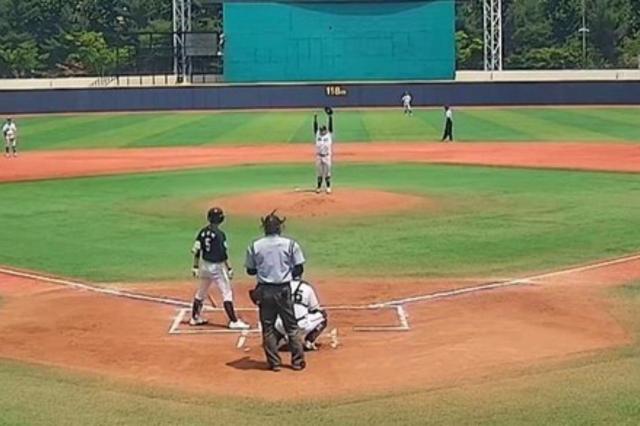
The apology follows an incident during the National High School Baseball Championship in Seoul on Monday, when Paichai players shouted "Let's go to Starbucks" and "Tank Day" toward Gwangju Jeil players.
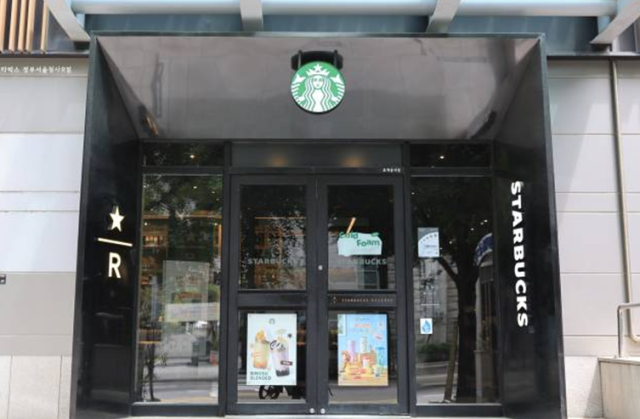
The chants were widely interpreted as references to Starbucks Korea's controversial May promotion and as mockery of the Gwangju Democratic Uprising, with which the city is closely identified.
The phrase "Tank Day" ignited nationwide criticism in May after Starbucks Korea used it to promote a tumbler discount event on May 18, the anniversary of the Gwangju Democratic Uprising. Critics said the wording evoked the military tanks deployed during the bloody suppression of pro-democracy demonstrators in 1980.
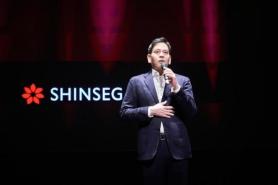
Starbucks Korea subsequently issued a public apology, replaced its chief executive and introduced mandatory history education for all employees.
The controversy has since spilled over into consumer spending.
According to data released Friday by Mobile Index, a consumer analytics platform operated by Korean AI data company IGAWorks, estimated domestic credit and debit card spending at Starbucks fell to 100.39 billion won ($72.5 million) in June, down more than 20.8 billion won from May and the lowest monthly level since November last year.
Monthly active users of the Starbucks mobile application also dropped sharply to 7.06 million in June from 8.19 million in May, a decline of about 1.13 million users, or 13.8 percent. Starbucks' share of users among food and beverage membership applications fell to 42.3 percent from 47.7 percent over the same period.
The spending estimates exclude transactions made through cash, corporate transfers, gift certificates, digital wallets and in-app payment methods.

Copyright ⓒ Aju Press All rights reserved.