
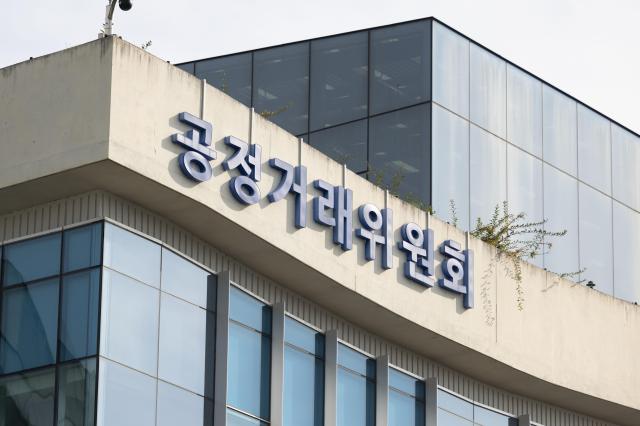
Fair Trade Commission in Sejong City. [Photo by Yu Dae-gil]
Agricultural cooperatives and gas station associations in Jeju have faced penalties from fair trade authorities for colluding to fix fuel prices. The Fair Trade Commission (FTC) announced on July 6 that it would impose a total fine of 2.02 billion won (approximately $20.5 million) on Jeju City and Seogwipo City Agricultural Cooperatives for leading price increases and providing advance information to the association. Additionally, the Jeju branch of the Korean Gas Station Association was fined 30 million won for compelling its members to adhere to prices set by the cooperatives.
The collusion took place from September 2022 to July 2024. The cooperatives provided the gas station association with the next day's fuel prices before they were publicly disclosed on Opinet. They also identified and reported businesses selling below the standard price to control low-price sales.
The association, having received advance price information from the cooperatives, set this as the benchmark price and communicated it to gas stations through group chats on KakaoTalk and text messages, enforcing compliance.
The involved parties were aware that their actions could violate fair trade laws. During sensitive periods, such as FTC investigations, they communicated price information through phone calls or in-person visits instead of group chats. They also requested that members delete price notifications and prevent external leaks.
By exploiting the unique characteristics of Jeju's fuel market, which is difficult for outside competitors to enter, they profited excessively. Tourists using rental cars were particularly affected, as they tend to be less vigilant about price comparisons due to their one-time fuel purchases.
The FTC deemed the violations serious, noting that normal price competition could have significantly benefited consumers. During the collusion period, the price of gasoline and diesel in Jeju was up to 83 won and 150 won higher per liter compared to the mainland average.
As a result, the FTC imposed corrective orders along with fines of 987 million won and 1.033 billion won on Jeju Agricultural Cooperative and Seogwipo Agricultural Cooperative, respectively.
An FTC official stated, "We will continue to strengthen monitoring of business associations that disrupt competition in the fuel market, which is closely related to the lives of citizens, and will take stricter measures if similar violations are detected in the future."
The collusion took place from September 2022 to July 2024. The cooperatives provided the gas station association with the next day's fuel prices before they were publicly disclosed on Opinet. They also identified and reported businesses selling below the standard price to control low-price sales.
The association, having received advance price information from the cooperatives, set this as the benchmark price and communicated it to gas stations through group chats on KakaoTalk and text messages, enforcing compliance.
The involved parties were aware that their actions could violate fair trade laws. During sensitive periods, such as FTC investigations, they communicated price information through phone calls or in-person visits instead of group chats. They also requested that members delete price notifications and prevent external leaks.
By exploiting the unique characteristics of Jeju's fuel market, which is difficult for outside competitors to enter, they profited excessively. Tourists using rental cars were particularly affected, as they tend to be less vigilant about price comparisons due to their one-time fuel purchases.
The FTC deemed the violations serious, noting that normal price competition could have significantly benefited consumers. During the collusion period, the price of gasoline and diesel in Jeju was up to 83 won and 150 won higher per liter compared to the mainland average.
As a result, the FTC imposed corrective orders along with fines of 987 million won and 1.033 billion won on Jeju Agricultural Cooperative and Seogwipo Agricultural Cooperative, respectively.
An FTC official stated, "We will continue to strengthen monitoring of business associations that disrupt competition in the fuel market, which is closely related to the lives of citizens, and will take stricter measures if similar violations are detected in the future."
* This article has been translated by AI.
Copyright ⓒ Aju Press All rights reserved.