
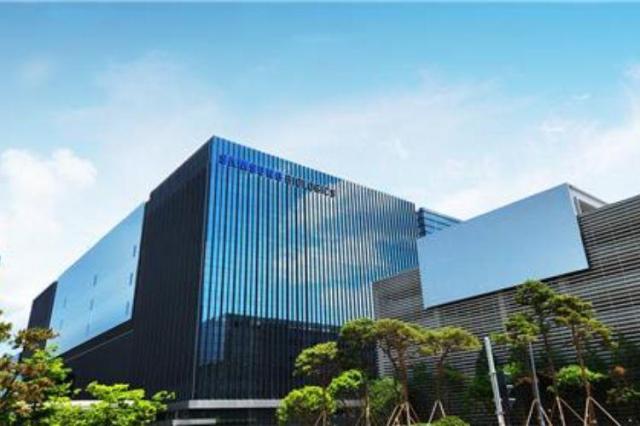
Samsung Biologics is projected to meet market expectations with solid performance in the second quarter of this year, but labor disputes are emerging as a significant risk factor for the second half.
According to financial information provider FnGuide on July 6, Samsung Biologics is expected to report second-quarter revenues of 1.3243 trillion won and an operating profit of 592.6 billion won, marking increases of 30.6% and 24.8%, respectively, compared to the same period last year. The growth is attributed to rising demand for contract development and manufacturing organization (CDMO) services and increased factory utilization rates.
The overall K-Bio industry remains robust. The Ministry of Food and Drug Safety reported that domestic pharmaceutical production reached 33.8466 trillion won last year, a 3% increase year-on-year, marking the highest level since statistics began in 1998. Pharmaceutical exports also surpassed $10.438 billion for the first time, exceeding the $10 billion mark.
Despite the expanding global biosimilar market and strengthened CDMO competitiveness, internal factors are dampening market expectations for Samsung Biologics in the second half.
Analysts predict that the impact of potential strikes and production disruptions could begin to be reflected in the third quarter. They warn that not only could production be affected by strikes, but also profitability could be shaken by wage increases and performance-related provisions. Shinhan Investment Corp. recently lowered its target stock price for Samsung Biologics from 2.2 million won to 2.1 million won, reflecting these uncertainties.
The labor union and management resumed wage and collective bargaining negotiations in mid-June, but they have yet to narrow their differences on key issues. The union initially demanded a 30 million won incentive payment per employee, a 14% wage increase, and a 20% profit-sharing bonus, while the company proposed a 6.2% increase. Recently, the Samsung Biologics union decided to pursue an independent path, separating from the larger Samsung Group union, which has strengthened their resolve. Industry insiders express concern that delays in negotiations could lead to production disruptions and increased cost burdens.
If labor disputes prolong, production schedules will be the first to suffer. The CDMO business relies heavily on timely delivery commitments to clients, and any operational disruptions could impact not only short-term performance but also long-term competitive bidding.
An industry source stated, "The speed at which labor disputes are resolved could significantly influence performance and investor sentiment in the third quarter and beyond. To capitalize on the favorable market conditions, a swift compromise is essential."
According to financial information provider FnGuide on July 6, Samsung Biologics is expected to report second-quarter revenues of 1.3243 trillion won and an operating profit of 592.6 billion won, marking increases of 30.6% and 24.8%, respectively, compared to the same period last year. The growth is attributed to rising demand for contract development and manufacturing organization (CDMO) services and increased factory utilization rates.
The overall K-Bio industry remains robust. The Ministry of Food and Drug Safety reported that domestic pharmaceutical production reached 33.8466 trillion won last year, a 3% increase year-on-year, marking the highest level since statistics began in 1998. Pharmaceutical exports also surpassed $10.438 billion for the first time, exceeding the $10 billion mark.
Despite the expanding global biosimilar market and strengthened CDMO competitiveness, internal factors are dampening market expectations for Samsung Biologics in the second half.
Analysts predict that the impact of potential strikes and production disruptions could begin to be reflected in the third quarter. They warn that not only could production be affected by strikes, but also profitability could be shaken by wage increases and performance-related provisions. Shinhan Investment Corp. recently lowered its target stock price for Samsung Biologics from 2.2 million won to 2.1 million won, reflecting these uncertainties.
The labor union and management resumed wage and collective bargaining negotiations in mid-June, but they have yet to narrow their differences on key issues. The union initially demanded a 30 million won incentive payment per employee, a 14% wage increase, and a 20% profit-sharing bonus, while the company proposed a 6.2% increase. Recently, the Samsung Biologics union decided to pursue an independent path, separating from the larger Samsung Group union, which has strengthened their resolve. Industry insiders express concern that delays in negotiations could lead to production disruptions and increased cost burdens.
If labor disputes prolong, production schedules will be the first to suffer. The CDMO business relies heavily on timely delivery commitments to clients, and any operational disruptions could impact not only short-term performance but also long-term competitive bidding.
An industry source stated, "The speed at which labor disputes are resolved could significantly influence performance and investor sentiment in the third quarter and beyond. To capitalize on the favorable market conditions, a swift compromise is essential."
* This article has been translated by AI.
Copyright ⓒ Aju Press All rights reserved.