
Japan's bond and foreign exchange markets are facing pressure from the government's economic policy framework, known as the "Honebuto Policy," which emphasizes expanded fiscal spending.
According to the Nihon Keizai Shimbun (Nikkei) on July 6, the yield on newly issued 10-year government bonds rose to 2.830%, the highest level in nearly 30 years since October 1996. Bond prices, which move inversely to yields, have fallen.
Nikkei analyzed that the Takaichi administration's clear commitment to an aggressive fiscal stance under the Honebuto Policy has led to ongoing bond sell-offs amid concerns over fiscal deterioration risks.
The draft of the basic policy for economic and fiscal management and reform recently announced by the Takaichi Cabinet removed the phrase "fiscal consolidation," which was included until last year. It is also reported to include plans to increase additional fiscal spending by 10 trillion yen (approximately $94.5 billion) annually starting in 2027, raising concerns that fiscal discipline may loosen under the Takaichi administration.
Concerns surrounding monetary policy are also impacting the bond market. The Honebuto Policy draft states that the Bank of Japan's "appropriate monetary policy management" is "very important."
Some market participants speculate that the Bank of Japan's interest rate decisions may be influenced by the government's fiscal policy direction. Nikkei noted that fears of the Japanese economy falling into a "behind the curve" situation, where interest rate hikes lag behind inflation, have led investors to sell bonds and refrain from buying.
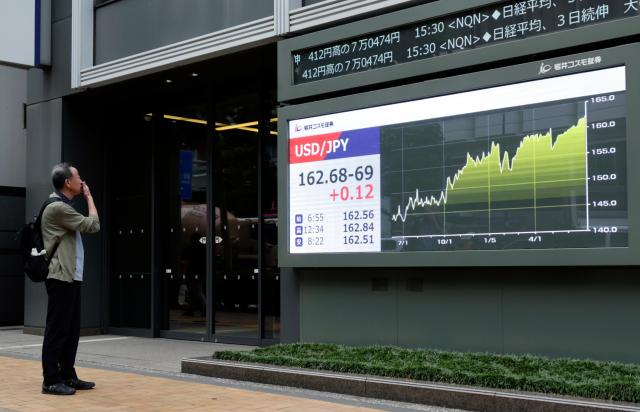
The uncertainty surrounding the Honebuto Policy is also reflected in the foreign exchange market. In Tokyo's afternoon trading, the yen fell to 161.93 per dollar, an increase of 1.15 yen from the previous weekend's closing price, indicating a decline in the yen's value.
The combination of the Japanese government's expansionary fiscal stance and expectations of widening interest rate differentials between the U.S. and Japan is contributing to increased downward pressure on the yen.
* This article has been translated by AI.
Copyright ⓒ Aju Press All rights reserved.