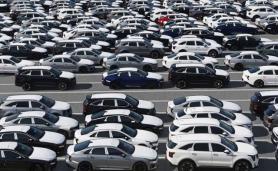
The number of newly registered vehicles during the first six months rose 1.3 percent from a year earlier to 850,636, with eco-friendly vehicles including electric, hybrid and fuel cell vehicles, accounting for 57.8 percent of new registrations, up from 46.1 percent from a year earlier.
Amid high interest rates, purchases by individual motorists fell 3.3 percent from a year earlier, while purchases by corporate and rental operators rose 10.5 percent to 296,747 units, helping support domestic demand.
The proportion of newly registered internal combustion engine vehicles fell to 42 percent from 53.7 percent a year earlier, while diesel vehicle registrations plunged 59.5 percent over the same period due to the discontinuation of passenger-car models and supply constraints affecting some models.
KAMA said the early implementation of government subsidies amid skyrocketing oil prices due to the prolonged conflict in the Middle East, appeared to encourage more consumers to switch to eco-friendly vehicles.
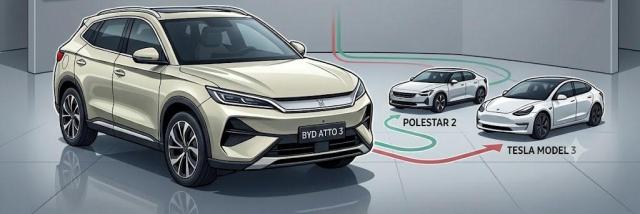
Registrations of imported vehicles rose 30 percent from a year earlier, accounting for 22.7 percent of the domestic market. As more China-made Tesla models and electric vehicles from China-linked brands such as BYD and Polestar became available in South Korea, Chinese-made imports accounted for 41.2 percent of the imported vehicle market here, while German brands, which had long dominated the market, saw their share fall to 42.2 percent.
KAMA said the rapid influx of China-made EVs could benefit consumers by offering more options at lower prices, but also increase pressure on South Korea's manufacturing base, requiring measures to strengthen the price competitiveness of domestically produced vehicles and support the broader industry ecosystem.
Copyright ⓒ Aju Press All rights reserved.