SEOUL, October 06 (AJP) - Nearly eight in 10 privately operated zoos in South Korea are still allowing visitors to feed, touch or otherwise interact with animals under an educational exemption to restrictions intended to curb stressful animal encounters, government data showed Tuesday.
Of the country’s 91 private zoos, 70 had submitted educational plans allowing them to operate programs involving their animals as of September, according to data the Ministry of Climate, Energy and Environment provided to Rep. Lee Hack-young of the ruling Democratic Party. That amounts to about 77 percent of private zoos.
South Korea tightened its zoo regulations in December 2023, shifting from a registration system to a permit system and prohibiting activities including riding, touching and feeding when they are conducted for public entertainment and inflict unnecessary pain, fear or stress on animals.
But the rules contain an exception. Zoos may conduct such activities if they are included in an approved educational plan involving their animals. The provision has emerged as a broad pathway through which hands-on animal programs have continued nearly three years after the restrictions took effect.
An investigation by Korea Animal Rights Advocates, an animal welfare group, found substantial differences between what zoos promised regulators and what visitors encountered in practice.
The organization inspected 23 private zoos between January and September and found that 16, or nearly 70 percent, were running animal-interaction programs that differed from the educational plans they had submitted. Two facilities were operating such programs without having submitted an educational plan at all.
Programs conducted without the required exemption can violate the Zoo and Aquarium Act. Violations of the provision governing entertainment-related animal interactions can carry an administrative fine of up to 5 million won ($3,720).
The investigation also raised concerns about the condition of animals used in the programs.
At an indoor zoo in Gapyeong, northeast of Seoul, two capybaras suffering from extensive hair loss and apparent skin problems were allowed to come into contact with visitors for nearly a month in January, according to the animal rights group.
Investigators said the zoo also departed from the duration of interaction sessions specified in its educational plan and at times allowed visitors to touch animals without direct staff supervision.
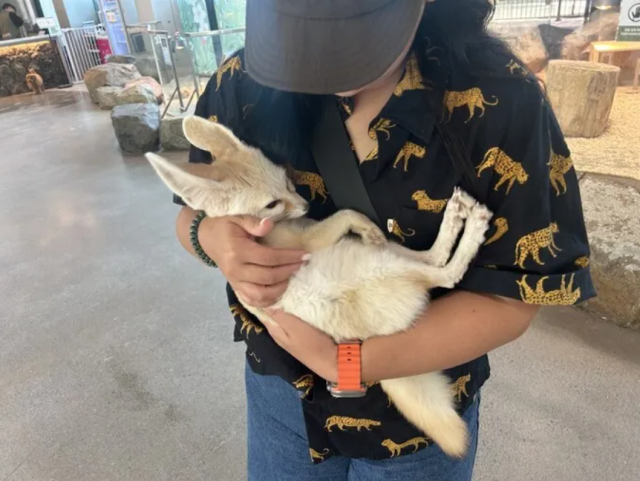
At another facility that had not submitted an educational plan, a meerkat escaped its indoor exhibition area and reached an outdoor space before staff noticed. A fennec fox suspected of having a leg ailment was also kept in a feeding-experience area even as it repeatedly bit at the affected part of its body.
The findings echo concerns raised earlier this year by AWARE, another animal welfare organization. Its examination of 16 zoos found visitors could continue buying food and feeding animals without meaningful limits at the facilities it surveyed. The group also reported animals competing aggressively for food and displaying behavior associated with soliciting food from visitors.
The government’s own guidance says programs should avoid indiscriminate feeding without controls on the amount of food, location or duration, according to Aware.
Animal advocates say enforcement has lagged behind the tougher language of the law.
Responsibility for enforcement is divided between the central government and local authorities, which approve and oversee zoo operations. But the investigation found that regulators did not have a comprehensive picture of whether zoos had filed educational plans or whether the programs they actually operated matched those plans.
The 2023 overhaul of the law was intended to strengthen animal welfare standards and gave regulators broader authority over zoo operations. The legislation says zoos should promote wildlife conservation and research, provide accurate information about animals and improve the welfare of animals in their care.
AJP Takeaways
- Nearly 77% of South Korea’s private zoos have filed educational plans allowing hands-on animal programs despite tighter rules on feeding, touching and riding animals.
- Animal welfare groups found widespread gaps between zoos’ approved plans and actual practices, including unsupervised contact, unrestricted feeding and interactions involving animals with apparent health problems.
- Advocates say the educational exemption has weakened the 2023 reform and are calling for stricter standards, inspections and penalties.

Copyright ⓒ Aju Press All rights reserved.