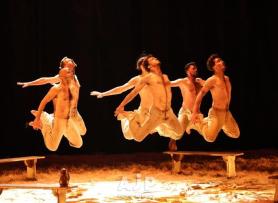
SEOUL, December 12 (AJP) - Once confined to the cultural elite, ballet in South Korea is stepping firmly into the mainstream — embraced as both a graceful workout and a fashion-forward lifestyle, propelled by star dancers, celebrities and social media.
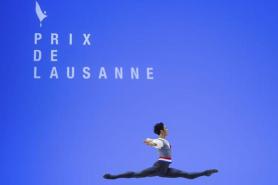
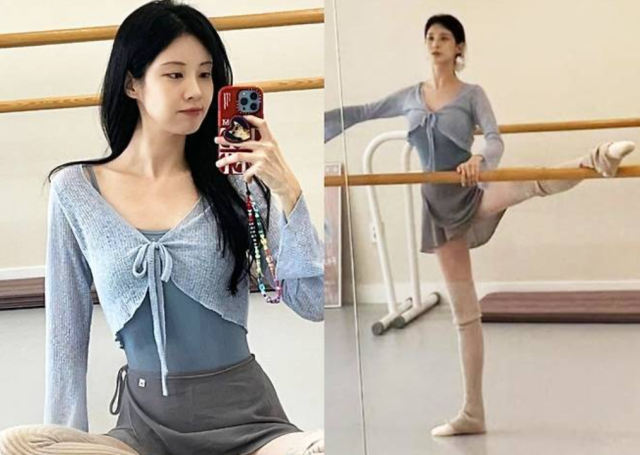
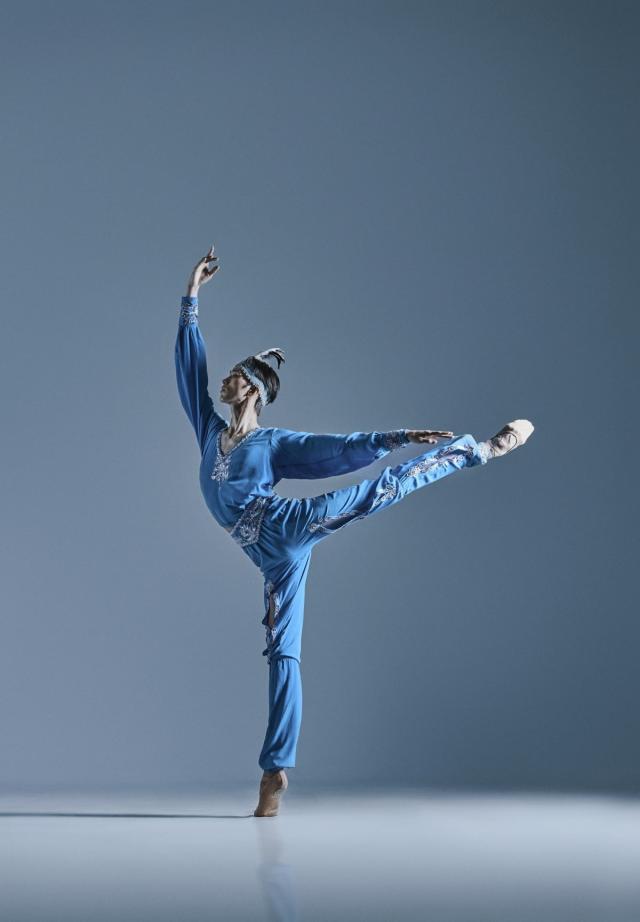
The shift is visible on major stages and smartphone screens alike. Leading male principals such as Kim Ki-min of the Mariinsky Ballet and Jeon Min-chul have gone viral on TikTok and Instagram, recasting ballet as aspirational rather than exclusive. Celebrities including Bae Suzy, Girls’ Generation’s Seohyun, Apink’s Son Na-eun and actress Park Ji-hyun have further fueled the trend by openly sharing their ballet training routines and studio looks, normalizing ballet as a hobby rather than a professional pursuit.
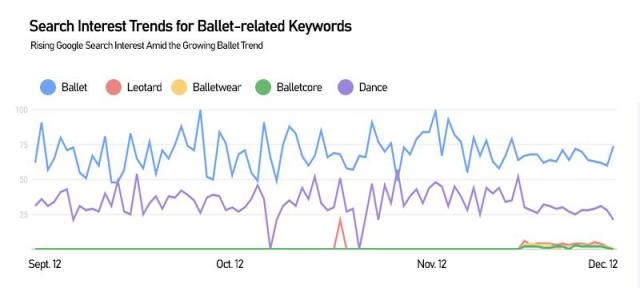
That cultural momentum is translating directly into consumer demand. According to data released this week by Kakao Style’s fashion platform ZigZag, searches for “ballet” surged more than threefold in November, while transactions for “leotards” jumped 32-fold from a year earlier. Sales of ballet shorts rose 13-fold, leg warmers more than sixfold and ballet bags nearly tenfold. Roughly 80 percent of customers searching for ballet-related items were women in their 20s and 30s, highlighting the trend’s strong resonance with MZ consumers.
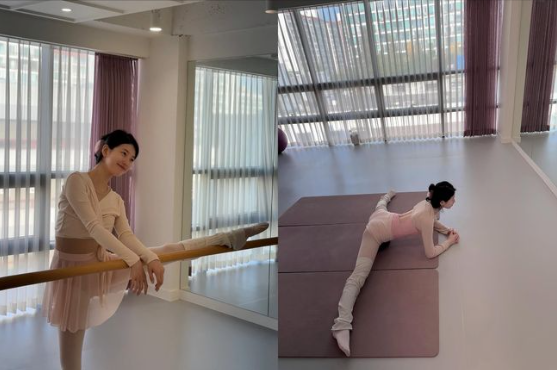
The boom reflects a broader shift in how young Koreans think about health, aesthetics and movement.
“Interest in health and body shape has grown significantly, and many people now see ballet as a way to correct posture and improve physique,” said Kim Mi-sook, a professor of dance at Sungshin Women’s University. “Media stories about body transformation through ballet, along with celebrities taking it up as a hobby, have lowered psychological barriers. Ballet used to seem like something only majors did, but that perception is changing quickly.”
Kim added that ballet’s appeal goes beyond refinement or beauty standards. “Unlike gym workouts or Pilates, ballet stimulates directionality, musicality and spatial awareness,” she said. “Repetitive exercises can become boring, but ballet offers continuous challenge — that’s what keeps people engaged.”
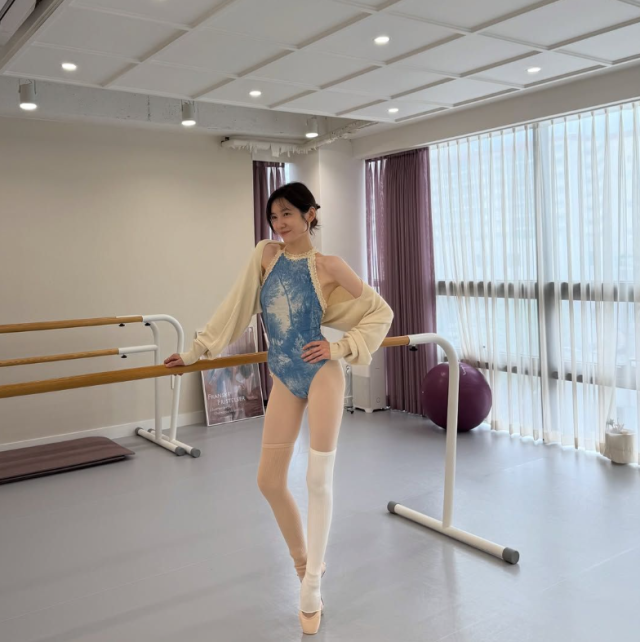
Studios are feeling the impact firsthand.
“In the past few months, the number of students attending my ballet classes has more than doubled,” said So Hyun-ah, director of a ballet academy in Seoul. “Other studio owners around me say the same. We can clearly feel that ballet is trending.”
Retail data supports that observation. Layered items worn over leotards — wrap skirts, cropped cardigans and warm-up pieces — have become bestseller categories, while niche balletwear brands report rapid growth. ZigZag said stores such as Freya saw November transaction volumes rise more than 450 percent, with lifestyle-activewear labels like Formative and Debby Wear also posting strong gains.
With winter driving demand for indoor fitness and balletwear increasingly crossing over into everyday fashion, retailers expect the trend to remain strong into early 2026 — suggesting that ballet, once a niche art form, may be leaping into its role as Korea’s next major lifestyle category.
Copyright ⓒ Aju Press All rights reserved.