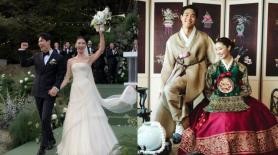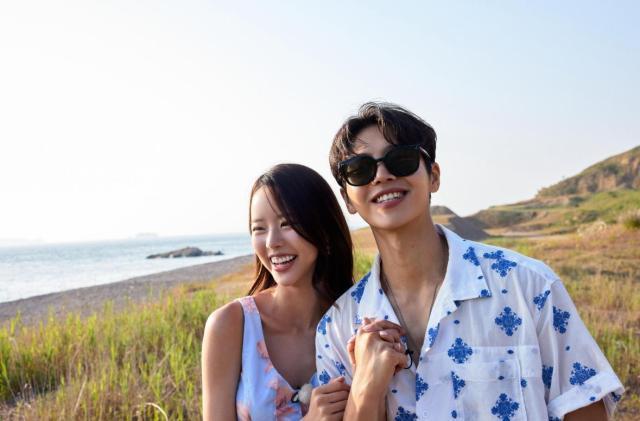
Instead, they wrestle — sometimes almost literally — for a cup of iced Americano or a coveted night at a luxury hotel called "Paradise."
Five seasons in, Single's Inferno has barely altered its rules. Contestants remain immaculate, well-educated, courteous to a fault — and curiously restrained in courtship. What fuels the tension is not overt seduction, but hesitation.
In Korean dating reality, love is rarely declared.
It is inferred.
And that inference — the delicious agony of not knowing — has become a global obsession.
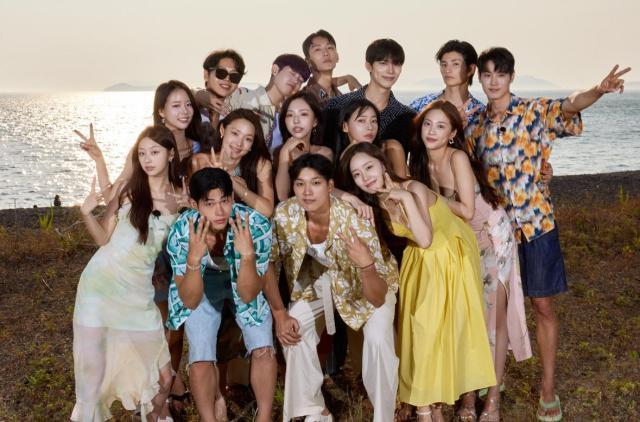
At the center of this cultural export is one untranslatable word: "sseom."
Loosely rendered in English as "something," or perhaps "situationship," sseom describes the suspended moment before a relationship is defined. It is a shared awareness without confirmation — a mutual gravitational pull neither party names aloud.
In Western dating shows, attraction often accelerates toward confession and coupling. In Korean formats, it lingers. The camera dwells on glances, silence, anonymous messages delivered at night. Emotional escalation is slow, almost ceremonial.
"The real pleasure lies in inference," says Haerin Shin, professor of media and communication at Korea University. "Viewers decode glances, gestures and hidden intentions. Romance becomes a social puzzle."
On Single's Inferno, contestants can send anonymous notes revealing their interest — but never openly discuss their feelings unless invited. That anonymity intensifies ambiguity. A simple text can alter alliances. A coffee invitation can ignite rivalry.
It is civility weaponized.
A Streaming Juggernaut
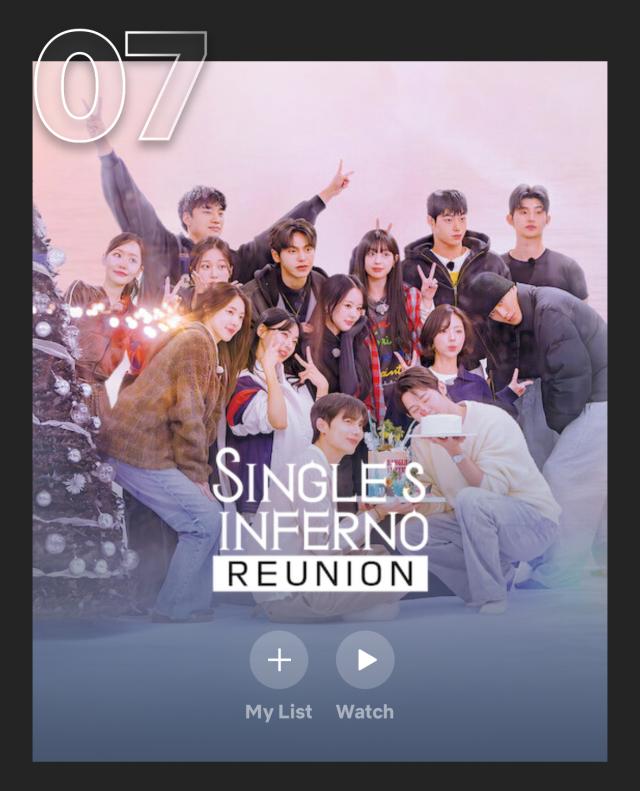
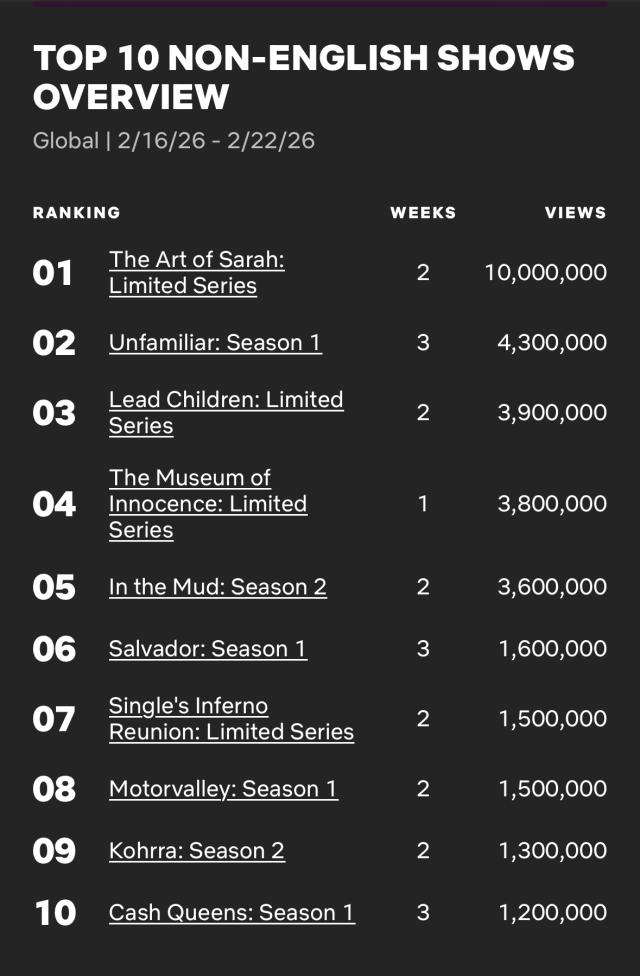
According to Netflix's Global Top 10 data for February 16–22, 2026, Single's Inferno: Reunion ranked No. 7 among non-English TV shows worldwide, recording 1.5 million views and 5.5 million hours watched in a single week — its second consecutive week on the chart.
Season 1 marked a milestone as the first Korean reality series to enter Netflix’s Global Top 10 (Non-English TV). Season 2 stayed on the chart for four consecutive weeks, accumulating 65.08 million viewing hours during its Top 10 run.
This is not a one-week curiosity spike. It is a repeatable global performance.
Netflix's distribution model amplifies reach. Once a show enters the Global Top 10, it surfaces across territories, algorithmically recommended from São Paulo to Stockholm. Korean dating formats, once domestic experiments, now enjoy the same international exposure previously reserved for K-dramas and films.
"Global distribution dynamics have been a major factor," Shin notes. "But what sustains viewership is the narrative style itself."
Korean dating shows occupy a curious middle ground between melodrama and detective fiction.
Studio panelists observe in real time, offering commentary. Viewers join them — parsing eye contact, decoding who lingered beside whom at the fire pit, replaying ambiguous smiles.
"It resembles a mystery genre," Shin explains. "Audiences test hypotheses about hidden emotions. They are participating, not just watching."
Social media extends the experience. Fans create analysis threads, freeze-frame breakdowns, even behavioral charts mapping possible romantic trajectories. The show ends each week; the speculation does not.
Unlike more explicit Western formats, Korean dating reality thrives on restraint. The "guilty pleasure" lies not in voyeuristic intimacy, but in suspense.
In an era oversaturated with exposure, ambiguity feels radical.
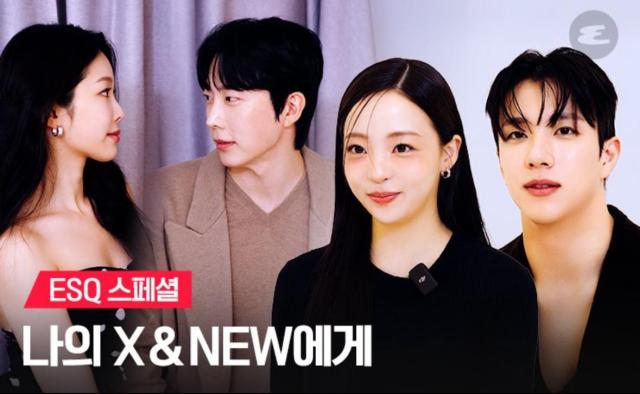
The global resonance of sseom also reflects shifting romantic realities.
Across Korea, Europe, North America and Japan, marriage rates are falling and partnerships delayed. Economic pressure, social anxiety and digital isolation have reshaped dating norms.
"In Korea, we speak of the 'N-po generation' — young people who feel compelled to give up dating, marriage or childbirth," Shin says.
Similar patterns echo elsewhere: declining birth rates in Europe, adolescent social isolation in the United States, withdrawal phenomena such as hikikomori in Japan.
Within that context, dating reality shows function as mediated participation.
"For some viewers, these programs provide vicarious fulfillment," Shin notes. "They offer anticipation, jealousy, rejection and connection without personal risk."
At the same time, they serve as observational spaces — informal tutorials on communication strategies and relational dynamics.
In other words, they are not just escapism. They are social laboratories.
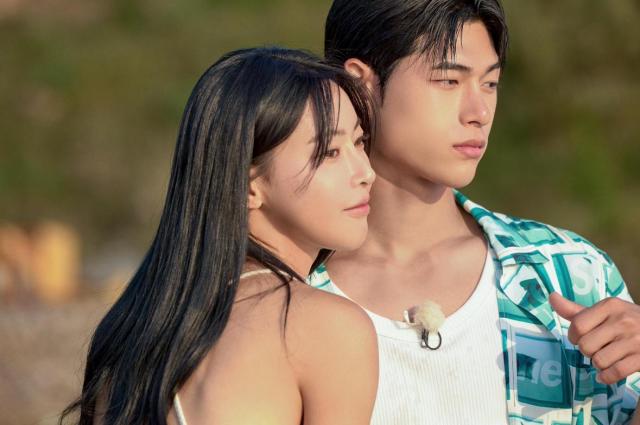
Korean dating formats are also evolving alongside changing attitudes.
Shows such as His Man spotlight same-sex relationships. Last Love explores later-life romance. Cross-cultural formats like My Korean Boyfriend broaden the lens further.
The core structure — emotional inference, indirect confession, prolonged ambiguity — remains intact. But the cast has diversified, mirroring societal shifts.
The success of Korean dating reality is not merely about being "less provocative" than Western counterparts. Nor is it solely the result of Netflix's algorithmic muscle.
It lies in the tension of the grey zone. On a remote island where no one says "I love you," millions around the world are leaning closer to their screens — trying to read between the lines.
Copyright ⓒ Aju Press All rights reserved.