
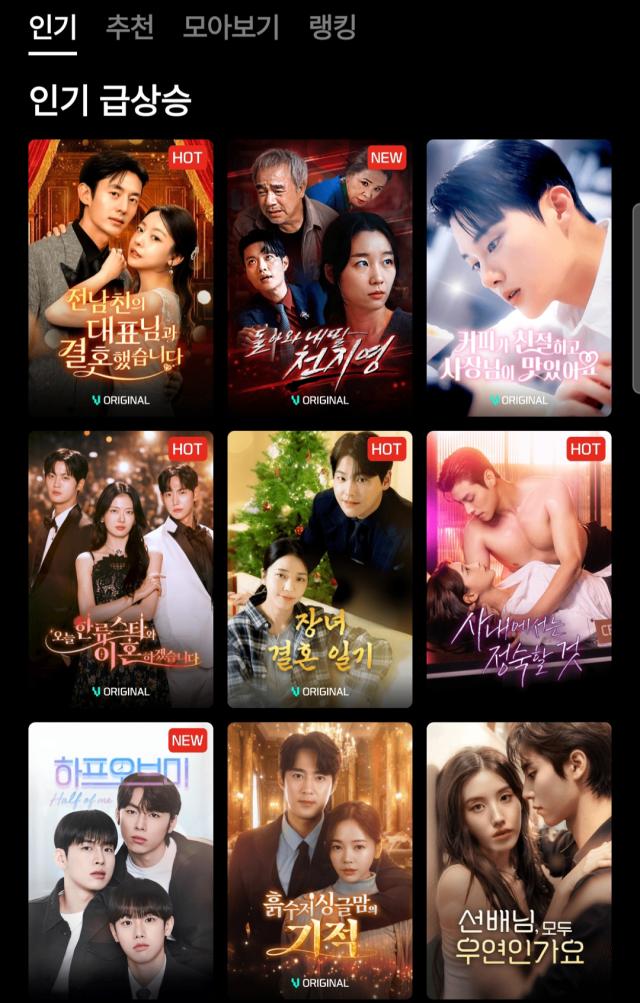
For a generation raised on scrolling rather than scheduled programming, sitting through a two-hour film can feel like a commitment. A drama told in one or two minutes, however, fits neatly into the rhythm of daily life.
Micro-dramas — serialized stories delivered in 60 to 120 seconds — are rapidly becoming one of the most consumed forms of visual entertainment worldwide.
In South Korea, the surge has been particularly pronounced. According to Seoul-based short drama platform Beegloo, four of the five most-watched series this month are micro-dramas.
While many titles initially targeted women in their 20s to 40s, the audience is broadening. Data show the core demographic is older than expected: women aged 35 and above now account for more than half of Beegloo’s global users.
The rise of micro-dramas signals a structural shift within the already booming short-form content market. For years, web dramas with 10- to 15-minute episodes dominated digital storytelling. Now the attention economy favors speed, compression and emotional intensity.
Micro-dramas are not confined to South Korea. Data from British research firm Omdia show the global market was valued at $11 billion last year and is projected to reach $14 billion this year.
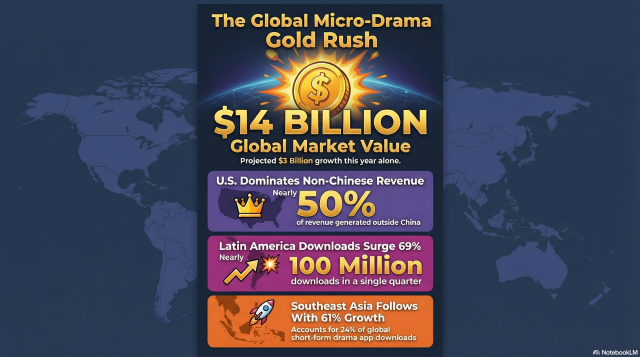
Regional breakdowns underscore the genre’s breadth. Latin America accounted for 27 percent of all short-form drama app downloads in the first quarter of last year — nearly 100 million downloads, up 69 percent year-on-year. Southeast Asia followed with 24 percent, a 61 percent annual increase. India, Europe and the U.S. each now hold between 7 and 11 percent of the global share.
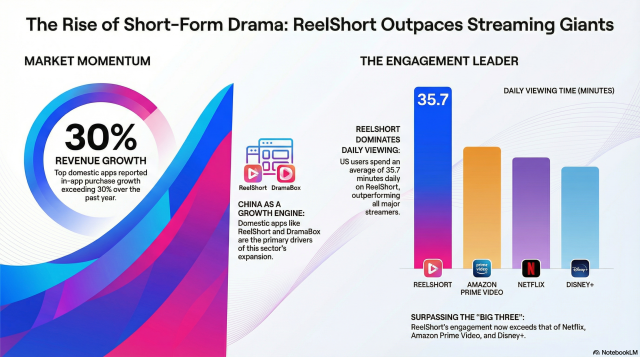
China remains a major growth engine, powered by domestic apps such as ReelShort and DramaBox. Both reported in-app purchase revenue growth exceeding 30 percent over the past year.
According to Omdia’s analysis based on SensorTower data, ReelShort users in the U.S. average 35.7 minutes of daily viewing time — surpassing Netflix (24.8 minutes), Amazon Prime Video (26.9 minutes) and Disney+ (23 minutes).
“Chinese and Korean micro-dramas are more developed,” he added. “With tools like Seedance 2, we may see new micro formats emerge — perhaps even original content built around generative AI. I’ve seen good, bad and a lot of slop.”
A Battle for Attention
Despite high daily viewing times, micro-drama platforms still trail major streaming services in monthly active users. Netflix counts roughly 12 million active users in the United States — about ten times more than ReelShort.
Yet the disparity reveals something more nuanced: even with fewer users, micro-drama apps generate longer engagement per viewer. Their addictive brevity and algorithmic targeting reward repetition.
“Micro-dramas aren’t just replacing television — they’re reprogramming how we consume stories,” said David Oh, professor of global media at Syracuse University. “Their power lies in how seamlessly they fit our digital habits.”
Micro-dramas first gained traction in China’s mobile video ecosystem before spreading across Asia and onto global platforms such as TikTok, YouTube Shorts and Instagram Reels.
Their narrative DNA blends soap opera melodrama with mobile-first design. Episodes often open mid-crisis — an affair exposed, a slap delivered, a betrayal revealed — pulling viewers instantly into the next clip.
Earlier theories linked the popularity of webtoons and web dramas to commuting culture — watching or reading while riding the subway. But that explanation no longer suffices.
“This isn’t just about mobility,” Oh said. “It’s about how deeply the mobile phone has become the center of everyday life.”
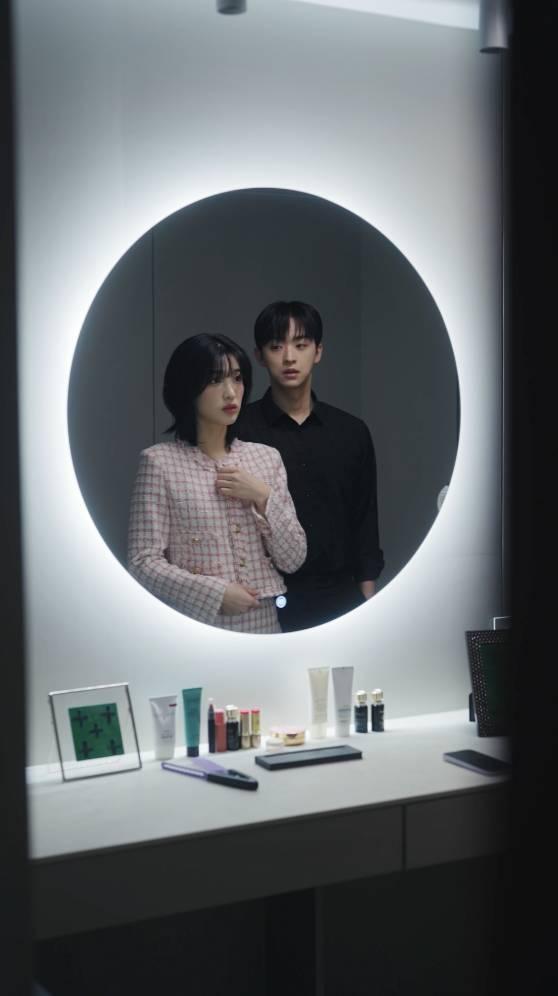
Micro-dramas embrace melodrama unapologetically. Betrayal, revenge and infidelity are recycled at high speed, echoing the “makjang” dramas once dominant in Korean prime time — but now compressed to 10x tempo.
Emotional clarity replaces narrative complexity.
In Southeast Asia and Latin America in particular, micro-dramas have become accessible entertainment for lower-income smartphone users with limited data plans or time. Light bandwidth, brief runtimes and emotional directness make them globally adaptable in ways prestige streaming often is not.
As micro-dramas reshape storytelling grammar, traditional television faces recalibration.
High-concept series such as Breaking Bad or Game of Thrones are likely to retain loyal audiences. But mid-tier shows may increasingly borrow from micro-drama logic.
“We’re seeing split attention — people scrolling while watching TV,” Oh noted. “That means hour-long shows will pack in more frequent payoffs: twists, fights, shocks. It’s not a revolution, but an intensification of television’s existing strategies.”
Long-form storytelling may begin to mirror short-form rhythms — faster cuts, sharper escalation and denser emotional triggers.
Film faces a more uncertain path.
On streaming platforms, the social discipline of the theater — no phones, no distractions — has weakened. To hold attention, films may simplify narratives and amplify spectacle.
But the opposite scenario is plausible. As everything else shrinks, cinema could double down on scale: immersive sound, collective viewing and emotional grandeur.
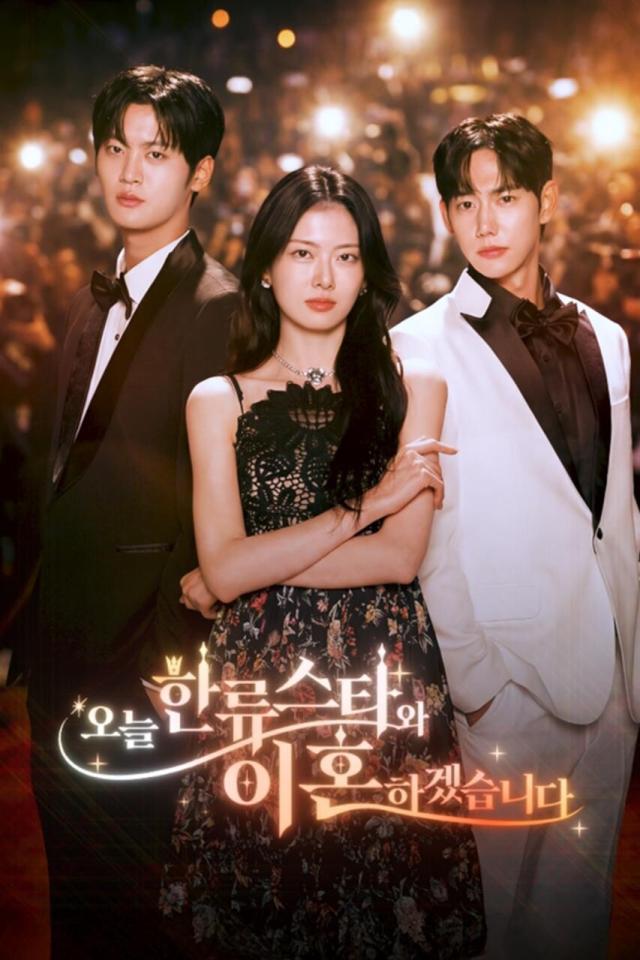
In Seoul, telecom companies are already exploring micro-dramas as a subscription driver. Bundling short-drama platforms into mobile plans mirrors earlier streaming strategies: the more users watch, the longer they remain within an ecosystem.
Production houses are investing heavily. Some operate industrial-scale studios churning out serialized one-minute episodes. Others experiment with generative AI tools to script dialogue and edit footage to algorithmic pacing.
Copyright ⓒ Aju Press All rights reserved.
