Following the tracks, following the taste: Jeonju in cinematic experience

by Yoo Na-hyun Posted : May 12, 2026, 16:42Updated : May 12, 2026, 16:43

*Editors’ Note: This is part of AJP’s photo essay series exploring railway journeys across South Korea in search of local food and regional culture. This installment travels to Jeonju during the Jeonju International Film Festival, where cinema, traditional streets and local cuisine came together beneath the spring sky.
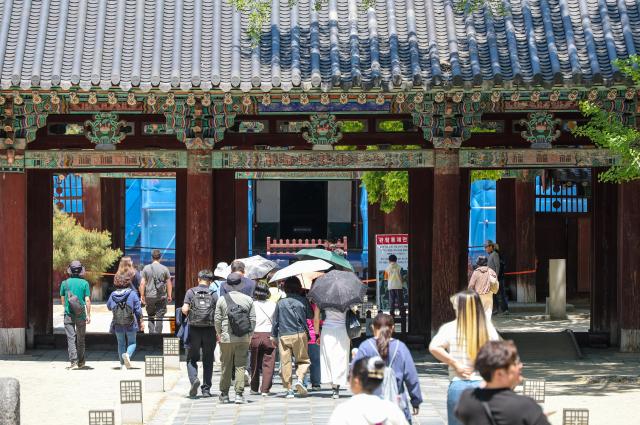
 
Visitors walk through Jeonju Hanok Village in North Jeolla Province on May 9 2026 AJP Yoo Na-hyun
Visitors walk through Jeonju Hanok Village in North Jeolla Province, on May 9, 2026. AJP Yoo Na-hyun.
 
SEOUL, May 12 (AJP) - The 27th edition of the Jeonju International Film Festival transformed Jeonju into more than a destination for cinema. Under the slogan “Beyond the Frame,” the city itself became part of the festival experience, where audiences moved naturally between movie theaters, narrow alleys, cafes and traditional neighborhoods.
 
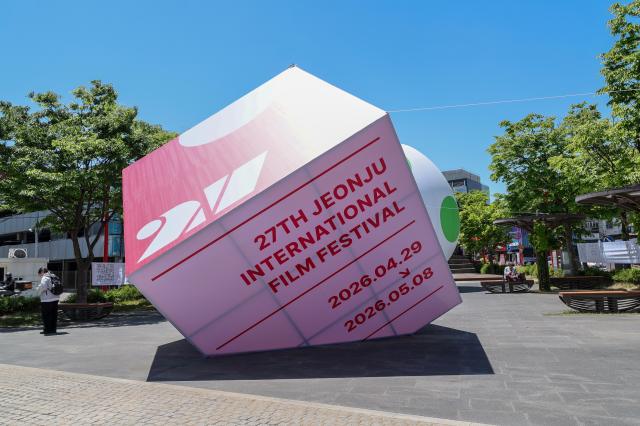
A sculpture for the JEONJU International Film Festival is displayed at Jeonju Film Street in Jeonju North Jeolla Province on May 8 2026 the closing day of the festival AJP Yoo Na-hyun
A sculpture for the JEONJU International Film Festival is displayed at Jeonju Film Street in Jeonju, North Jeolla Province, on May 8, 2026, the closing day of the festival. AJP Yoo Na-hyun
 
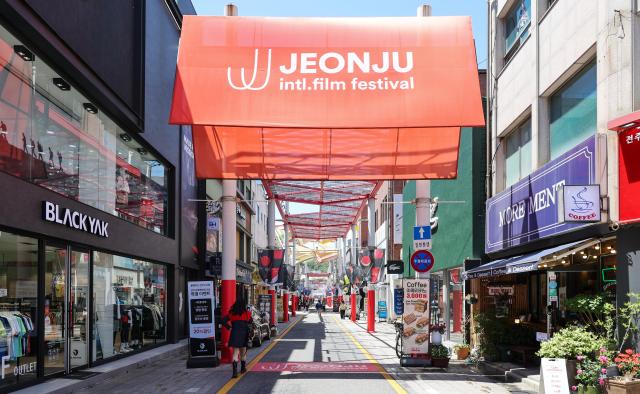
Visitors walk along Jeonju Film Street in Jeonju North Jeolla Province on May 8 2026 AJP Yoo Na-hyun
Visitors walk along Jeonju Film Street in Jeonju, North Jeolla Province, on May 8, 2026. AJP Yoo Na-hyun

Held from April 29 to May 8, the festival filled the streets around Jeonju Film Street and the Gaeksa district with visitors carrying tickets and festival badges as they moved between screenings. Local restaurants and cafes welcomed festivalgoers with special discounts, while announcements for upcoming films echoed through the busy streets alongside the steady footsteps of audiences heading toward their next screenings.
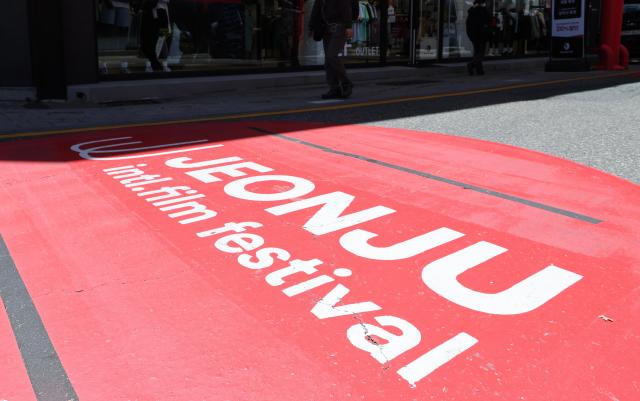
 
Visitors walk along Jeonju Film Street in Jeonju North Jeolla Province on May 8 2026 AJP Yoo Na-hyun
Visitors walk along Jeonju Film Street in Jeonju, North Jeolla Province, on May 8, 2026. AJP Yoo Na-hyun.


About two hours from Seoul by train, Jeonju revealed itself not only as a city of film, but also as a place where traces of tradition remain woven into everyday life.
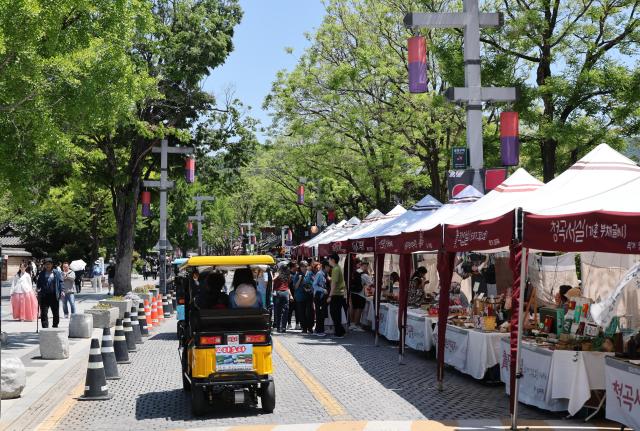
 
Handcrafted goods shops line a street in Jeonju Hanok Village on May 9 2026 AJP Yoo Na-hyun
Handcrafted goods shops line a street in Jeonju Hanok Village on May 9, 2026. AJP Yoo Na-hyun
 
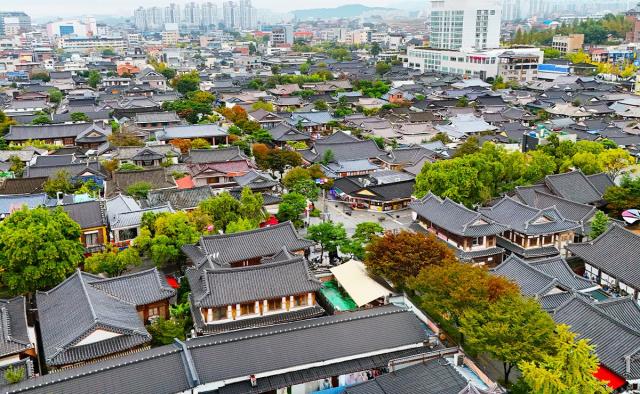
A panoramic view of Jeonju Hanok Village Courtesy of Korea Tourism Organization
A panoramic view of Jeonju Hanok Village. Courtesy of Korea Tourism Organization.

Beneath clear spring skies, the tiled rooftops of Jeonju Hanok Village stretched across the cityscape. Small workshops, cafes and souvenir shops lined the narrow alleyways beneath traditional hanok eaves, while stone walls and wooden storefronts gave the village a slower rhythm distinct from the busy festival streets nearby.
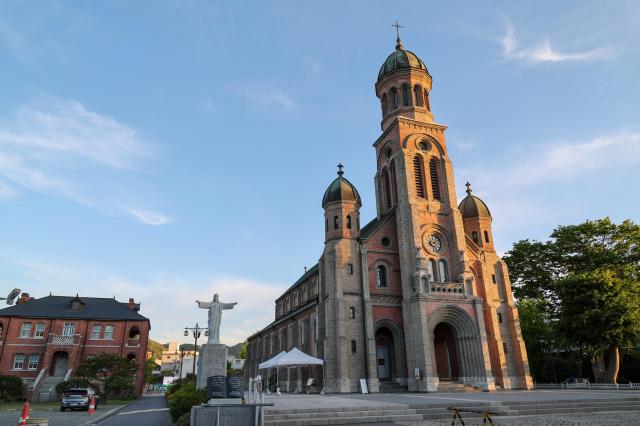
 
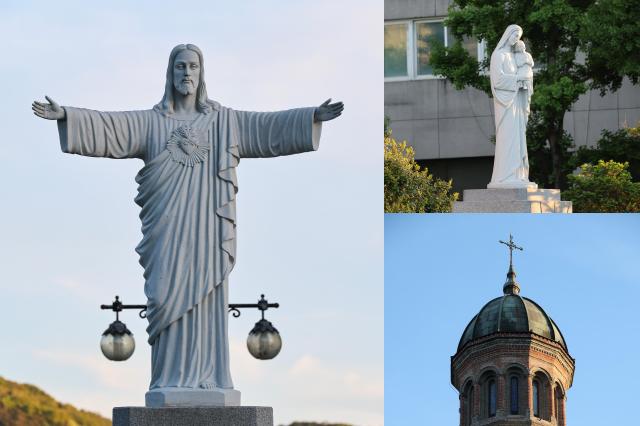
A view of Jeondong Cathedral in Jeonju North Jeolla Province on May 8 2026 AJP Yoo Na-hyun
A view of Jeondong Cathedral in Jeonju, North Jeolla Province, on May 8, 2026. AJP Yoo Na-hyun

Foreign visitors blended naturally into the scenery. Travelers dressed in hanbok paused to take photographs along the alleys, while others browsed shops selling handmade crafts and local souvenirs. English, Japanese and Chinese voices drifted through the streets as banners for the film festival hung between rows of traditional rooftops, quietly merging contemporary culture with the city’s historic atmosphere.
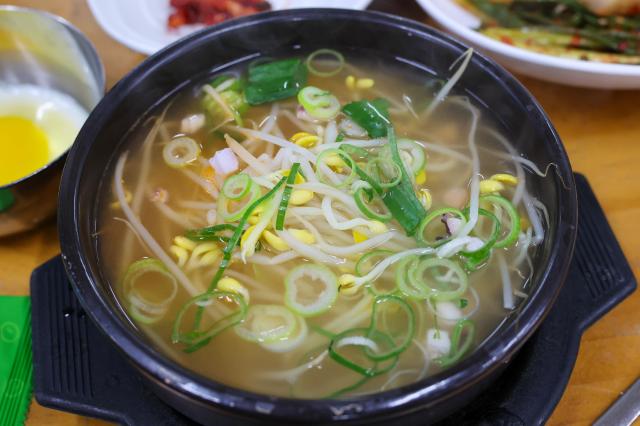
 
kongnamul-gukbap AJP Yoo Na-hyun
Kongnamul-gukbap. AJP Yoo Na-hyun.


Jeonju also revealed itself through food. Restaurants near Nambu Market filled with visitors searching for local specialties including Kongnamul-gukbap and blood sausage soup. Served in the traditional “toryeom” style — where hot broth is repeatedly poured over rice and bean sprouts — kongnamul-gukbap offered a warm and comforting meal after hours spent walking between theaters and alleyways.
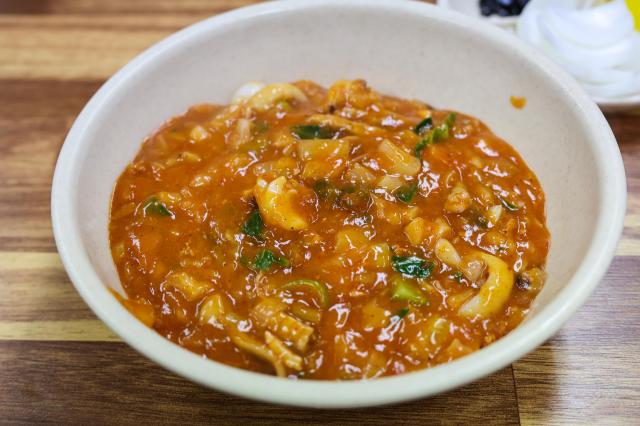
 

Mul-jjajang AJP Yoo Na-hyun
Mul-jjajang. AJP Yoo Na-hyun


Mul-jjajang, prepared with seafood and vegetables in a thick red sauce, presented a distinctly different style from the more familiar black bean noodles commonly found elsewhere in Korea. The dish, known for its spicy and savory flavor, reflected another layer of Jeonju’s local food culture.
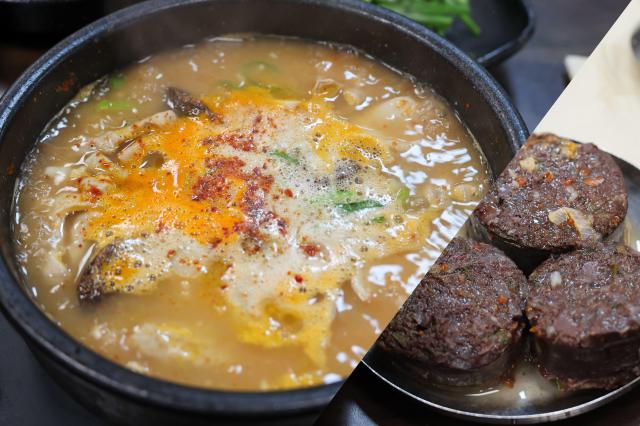
 

blood sausage soup. AJP Yoo Na-hyun.

Visitors also sampled Moju, a sweet local drink simmered with herbs, alongside blood sausage filled with seasoned pork blood, reflecting Jeonju’s long-standing culinary traditions.
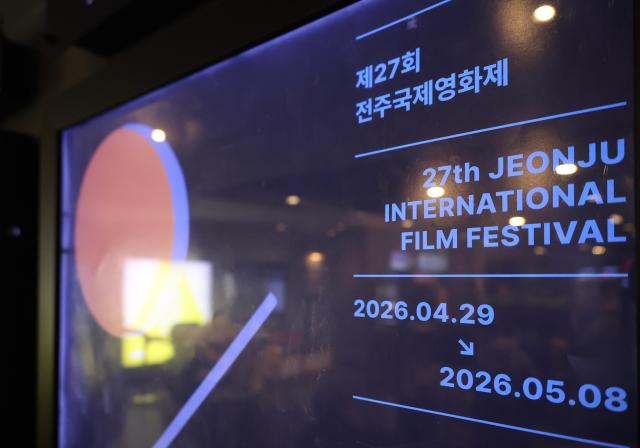
 

A poster for the 27th JEONJU International Film Festival is displayed in Jeonju North Jeolla Province AJP Yoo Na-hyun
A poster for the 27th JEONJU International Film Festival is displayed in Jeonju, North Jeolla Province. AJP Yoo Na-hyun
A view of Jeondong Cathedral on May 8 2026 AJP Yoo Na-hyun
A view of Jeondong Cathedral on May 8, 2026. AJP Yoo Na-hyun
 
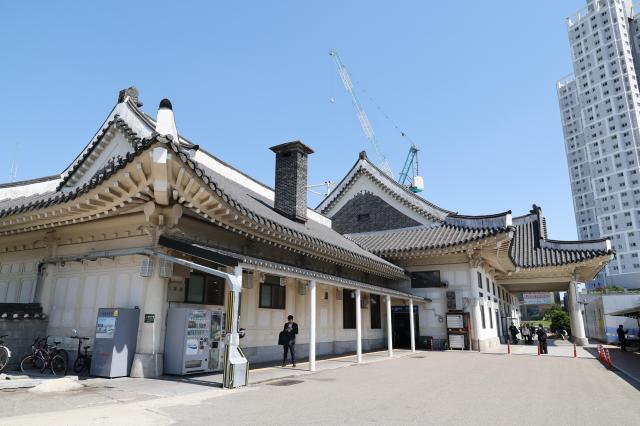
A view of Jeonju Station in Jeonju North Jeolla Province on May 9 2026 AJP Yoo Na-hyun
A view of Jeonju Station in Jeonju, North Jeolla Province, on May 9, 2026. AJP Yoo Na-hyun
 
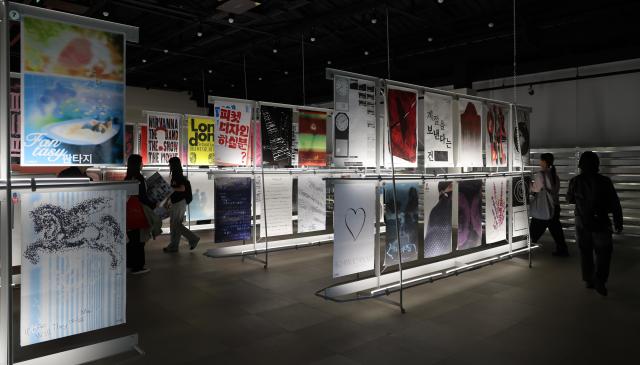
Visitors view the “100 Films 100 Posters” exhibition at Munhwa Gongpanjang Jakdang in Jeonju North Jeolla Province on May 8 2026 AJP Yoo Na-hyun
Visitors view the “100 Films 100 Posters” exhibition at Munhwa Gongpanjang Jakdang in Jeonju, North Jeolla Province, on May 8, 2026. AJP Yoo Na-hyun


People may arrive in Jeonju for cinema, but what often remains afterward are the quiet landscapes beyond the screen — the alleys, rooftops and meals remembered slowly, one step at a time.