
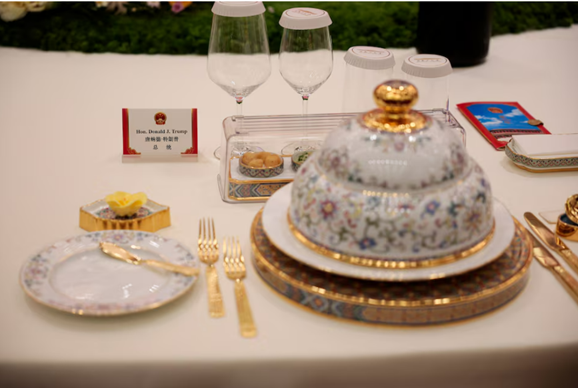
In international diplomacy, state dinners are often referred to as "food diplomacy" because each dish served carries a message and consideration for the other country. This is why food is called the oldest language of diplomacy.
The menu presented by China during President Donald Trump's visit naturally conveyed such messages. The highlight of the working lunch on May 15 at Zhongnanhai, where President Xi Jinping and Trump met for the last time, was Kung Pao Chicken, a classic Sichuan dish.
China had also featured this dish during Trump's first visit in 2017. Kung Pao Chicken, made with chicken stir-fried with peanuts and chili peppers, is a representative dish from the Sichuan region. Some interpretations suggest that the choice was a nod to the connection between Trump's Chinese name, "Chuanfu," and Sichuan cuisine, or "Chuan Cai."
Kung Pao Chicken also resonates with the history of U.S.-China exchanges. It was one of the favorite dishes of Chinese immigrant laborers who worked on railroads, in mines, and on farms in the U.S., symbolizing the integration of Chinese culinary culture into American society.
The theme of food diplomacy continued at the welcome state dinner for Trump on May 14 at the Great Hall of the People in Beijing. The menu was carefully crafted to reflect traditional Chinese cuisine while considering Trump's tastes and Western preferences.
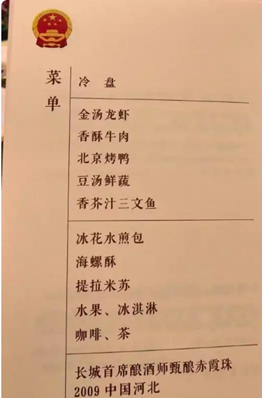
The dinner included Peking Duck, a dish known for its crispy skin and tender meat, frequently served at state banquets for foreign leaders. Other dishes included Cantonese lobster soup, crispy beef, and slow-cooked salmon with mustard sauce. The meal also featured Chinese-style crispy dumplings, conch-shaped pastries, and Italian tiramisu.
The combination of Eastern and Western flavors in the meal was seen as a representation of the mutual respect and compromise emphasized in U.S.-China relations.
The music played during the dinner also reflected careful consideration, mixing American and Chinese songs. Notably, "YMCA," a song frequently used by Trump during his campaign rallies, was played, interpreted as a gesture of respect from the Chinese side.
China's approach to food diplomacy was also highlighted earlier this year during South Korean President Lee Jae-myung's visit. During a state dinner, President Xi served Beijing-style Jajangmyeon and encouraged President Lee to taste the differences from Korean Jajangmyeon, fostering a warm atmosphere for conversation on a shared topic.
In diplomatic relations with culturally vibrant France, a more refined "cultural diplomacy" is emphasized. During French President Emmanuel Macron's visit last year, Xi highlighted the cultural connections between French wine and Chinese tea.
Additionally, at dinners with Russian President Vladimir Putin, known for his fondness for alcohol, the table always features China's representative liquor, Maotai, alongside Russian vodka. This reflects the friendship between the two leaders, who have met over 40 times since taking office, symbolizing the bond between China and Russia. The upcoming welcome dinner for President Putin during his state visit to China on May 19-20 is expected to showcase similar elements of food diplomacy, symbolizing the close relationship between the two countries.
* This article has been translated by AI.
Copyright ⓒ Aju Press All rights reserved.