
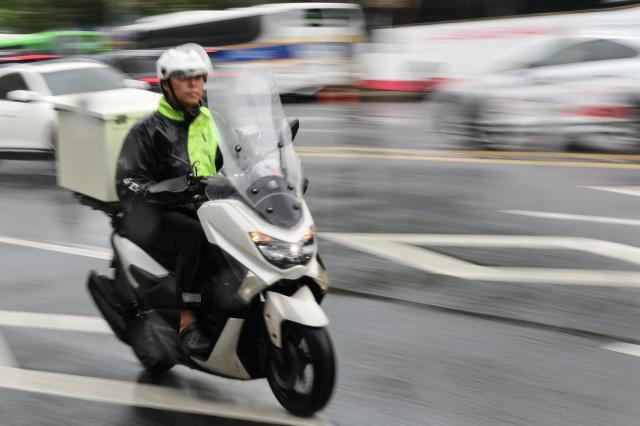
SEOUL, July 12 (AJP) - Foreign visitors are no longer coming to South Korea simply to shop, sightsee and dine out. Increasingly, they are trying to live like locals, embracing everyday Korean culture by ordering fried chicken, coffee and late-night snacks through delivery apps in what has become the latest K-culture experience.
The shift reflects a broader evolution of Korean tourism, where travelers seek not only famous attractions but also the rhythms of daily life. Just as convenience stores, self-service photo booths and Han River picnics have become must-do experiences, Korea's famously fast food-delivery culture is emerging as another attraction in its own right.
The trend is translating into brisk business for Baemin, the country's largest food-delivery platform.

The value of those orders climbed 308 percent over the same period, meaning both order volume and spending more than quadrupled in just one year.
The surge comes as South Korea welcomed more than 10 million foreign visitors during the January-June period, marking the fastest recovery of inbound tourism since the pandemic.
Woowa Brothers attributed the growth to lower barriers for overseas visitors. Baemin is the only major Korean delivery platform that accepts foreign-issued credit cards alongside a broad range of global digital payment services. In February, it also introduced English-, Chinese- and Japanese-language services, allowing visitors to browse menus, place orders and complete payments without navigating Korean-language interfaces.
Orders began accelerating in April as the spring travel season coincided with the easing of multiple-entry visa restrictions for Chinese visitors, with monthly foreign orders rising 22 percent from March.
Fried chicken remained the undisputed favorite among overseas users, with orders rising 281 percent from a year earlier.
Cafe and dessert items ranked second with a 298 percent increase, followed by fast food, where orders climbed 292 percent.
The strongest growth, however, came from categories closely associated with Korea's distinctive dining culture.
Late-night food orders surged 520 percent, Chinese cuisine orders jumped 433 percent and other Asian food orders increased 401 percent.
The figures suggest that visitors are extending their culinary experience beyond restaurants, returning to their hotels after a day of sightseeing and sampling Korea's celebrated late-night delivery culture much as local residents do.
"Delivery apps are becoming a gateway for foreign visitors to experience Korea's unique late-night food culture," Woowa Brothers said.
Behind the shift is a transformation in how tourists travel.
According to the Korea Tourism Organization's latest survey, independent travelers accounted for 80.1 percent of inbound visitors last year, while group tours represented just 11.5 percent.
Instead of following tour guides carrying flags from one landmark to another, today's visitors increasingly navigate neighborhoods with smartphones, mobile payments and translation apps, seeking experiences that mirror everyday Korean life.
Ordering dinner through a delivery app has become a natural extension of that trend.
The growing appetite has prompted delivery companies to treat foreign tourists as a new customer segment rather than occasional users.While Baemin has taken the lead with multilingual support and extensive overseas payment options, rivals Coupang Eats and Yogiyo have also introduced English-language services to capture growing demand.
Copyright ⓒ Aju Press All rights reserved.
