
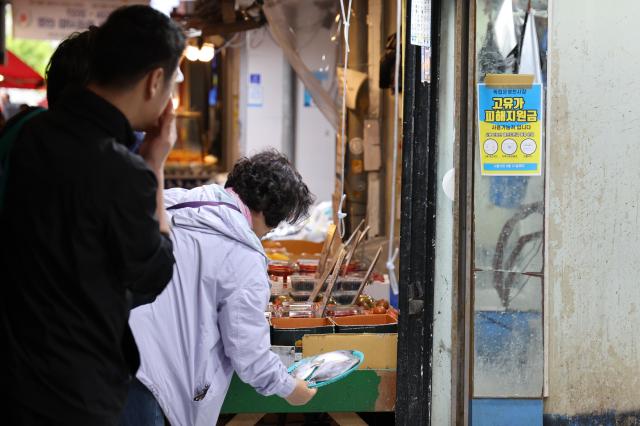
Seoul's commercial landscape is shifting. While the growth of youth-centric areas like Hongdae and Sinchon has slowed, traditional markets such as Cheongnyangni, Jongno 3-ga, and Suyu are rapidly expanding, driven by a significant consumer base aged 60 and older. Analysts suggest that the era dominated by youth trends is giving way to a resurgence of older consumers and the rediscovery of established markets.
An analysis of statistics from the Seoul Metropolitan Government's commercial analysis service, released on May 18, shows a notable increase in sales in areas with a high proportion of consumers aged 60 and older. Traditional markets, long-established businesses, and sectors like healthcare, jewelry, and daily necessities are experiencing growth based on senior consumer spending.
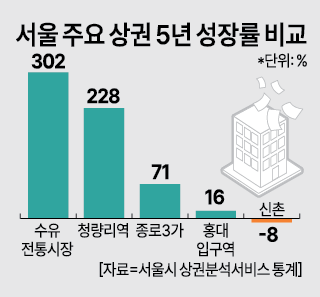
A prime example is the area around Cheongnyangni Station, where the proportion of consumers aged 60 and older is 34.1%, one of the highest among major commercial districts analyzed. During the same period, sales in the Cheongnyangni area surged by 228%. Historically recognized for its significant middle-aged and elderly consumer base, Cheongnyangni is now emerging as a key commercial hub in northeastern Seoul, thanks to ongoing mixed-use developments and improved transportation networks.
Suyu Traditional Market has also shown impressive growth, with sales increasing by 302% over the past five years. Similarly, the Jongno 3-ga area has seen a 71% increase during the same timeframe. These areas share a commonality in their strong demand for sectors catering to middle-aged and elderly consumers, including jewelry, traditional medicine, and dining.
These changes are attributed to shifts in demographics and consumer behavior. Over the past five years, the population of individuals in their 20s in Seoul has decreased from 1.63 million to 1.49 million, a drop of 8.6%. Additionally, as spending has shifted from offline to online platforms, the growth of card-based spending in youth-centric areas has also slowed.
Conversely, the consumer base aged 60 and older is expanding rapidly. As the baby boomer generation enters retirement, the so-called 'active seniors' are increasingly engaging in spending. This demographic is active in dining out, health management, and leisure activities, and they show strong loyalty to the offline markets they have frequented for years.
Particularly in areas like Cheongnyangni, Jongno 3-ga, and Suyu Traditional Market, these established markets serve as vital consumer hubs that go beyond mere retail functions, incorporating hospitals, pharmacies, traditional markets, restaurants, and essential services. This aligns with senior consumers' preferences for shopping in person, utilizing familiar stores, and addressing their healthcare, food, and dining needs in one visit.
Moreover, the trend of 'retro consumption' among younger consumers is contributing to the reevaluation of older markets. Traditional markets and long-standing businesses, once seen as outdated, are being reinterpreted as 'hip' spaces among younger demographics. The stable consumer base of seniors supports the market's foundation, while the influx of younger visitors broadens its appeal.
However, not all older markets are experiencing revitalization. For senior consumer spending to translate into market growth, factors such as transportation accessibility, diversity of businesses, density of essential services, and residential demand must be present. Cheongnyangni benefits from integrated transportation development, while Jongno 3-ga thrives with specialized sectors like jewelry, healthcare, and dining. Suyu Traditional Market maintains a strong function as a traditional market catering to local consumers.
Song Seung-hyun, CEO of Urban and Economy, noted, "Consumers aged 60 and older have accumulated extensive experience using traditional offline markets, maintaining a preference for direct purchasing, dining, and enjoying their shopping experiences."
He added, "Old markets like Cheongnyangni and Jongno are not just retail spaces; they also evoke nostalgia for seniors through offerings like fresh produce, seafood, jewelry, and traditional medicine. Markets that can simultaneously serve wholesale and retail, like Cheongnyangni Market and Gwangjang Market, are regaining their competitiveness."
* This article has been translated by AI.
Copyright ⓒ Aju Press All rights reserved.