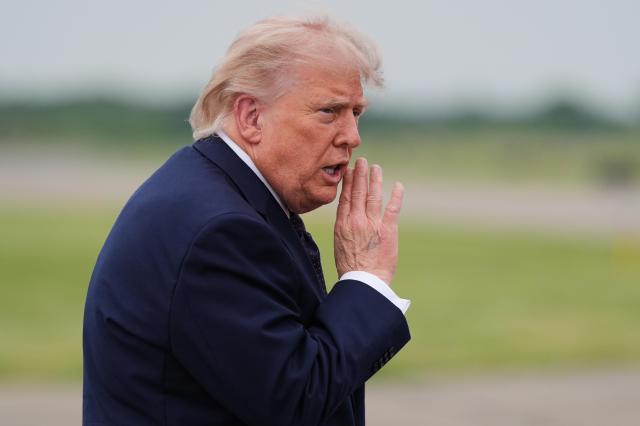
The move came as little progress has been made in negotiations since Washington delivered what U.S. media described as a “final offer” to Iran on May 20. Trump is reportedly seriously considering new strikes if Tehran does not accept the proposal soon.
According to U.S. political circles and foreign media reports, Trump met with key national security officials at the White House on Friday, including Vice President JD Vance, Defense Secretary Pete Hegseth, CIA Director John Ratcliffe and White House Chief of Staff Susie Wiles, to review the status of negotiations with Iran and possible military options. Axios reported that Trump is increasingly frustrated with the talks and is seriously considering resuming strikes unless there is a breakthrough.
Secretary of State Marco Rubio was absent due to a trip to Europe, while Gen. Dan Caine, chairman of the Joint Chiefs of Staff, did not attend because he was at the U.S. Naval Academy graduation ceremony, according to reports.
Trump had initially planned to spend the Memorial Day weekend at his golf club in New Jersey after a speech in New York on Friday evening, before traveling to the Bahamas over the weekend for the wedding of his eldest son, Donald Trump Jr.
But he said on Truth Social that he would skip the wedding due to “circumstances pertaining to the Government” and his “love of the United States of America,” adding that he felt it was important to remain at the White House during “this important period of time.”
Defense and intelligence officials have also reportedly canceled holiday plans as they prepare for the possibility of renewed military confrontation in the Middle East.
Washington reportedly delivered a final proposal to Tehran on May 20 that included terms for maintaining the cease-fire, handling nuclear material and guaranteeing passage through the strait. If Iran rejects the offer, the Trump administration is said to be reviewing renewed strikes on Iranian energy infrastructure, missile sites, nuclear-related facilities and leadership targets.
Iran, however, has acknowledged that talks are continuing while maintaining that a deal is not imminent. Iran’s Foreign Ministry has said discussions on key issues are still underway, while figures close to the Islamic Revolutionary Guard Corps have reportedly said the talks are focused on ending the war and that other issues will not be addressed until that goal is achieved.
U.S. officials have described the negotiations as “painful,” saying the process remains stuck in an exchange of draft documents with little substantive progress.
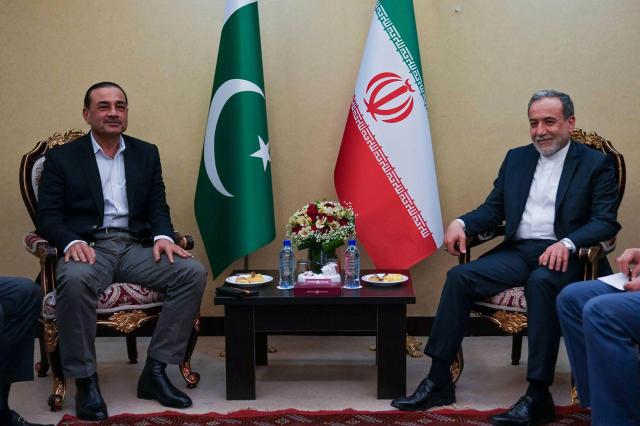
At the same time, mediators including Pakistan and Qatar are said to be making last-minute efforts to prevent another escalation. Pakistan’s army chief Asim Munir arrived in Tehran on Friday to meet Iranian leaders, while Qatari officials are also reportedly involved in efforts to revive the talks.
Some U.S. officials believe that unless an unexpected breakthrough emerges within the next 24 to 48 hours, Trump could move closer to ordering renewed airstrikes.

Copyright ⓒ Aju Press All rights reserved.