
Oil Refining Plummets, Fuel Sales Drop, Investment Weakens
According to the "April 2025 Industrial Activity Trends" report released by the National Data Agency on May 29, the index for total industrial production (seasonally adjusted, excluding agriculture and fisheries) fell by 0.6% from the previous month to 117.8 (2020=100). This marks the first decline in total industrial production since January, when it dropped by 0.8%.
The significant decrease in mining and manufacturing, which fell by 0.7% from the previous month, was largely influenced by a 19.4% drop in oil refining production. This is the largest decline since May 1988, when it fell by 22.1%, contributing to a 0.6 percentage point reduction in overall mining production.
The unprecedented blockage of the Strait of Hormuz has had a major impact, as Iran declared a blockade in response to the ongoing conflict, leaving very large crude carriers (VLCCs) stranded in the Persian Gulf. The disruption in the supply of crude oil and naphtha has also led to a 2.1% decrease in chemical product production, as the petrochemical industry hastened maintenance and repairs due to supply challenges.
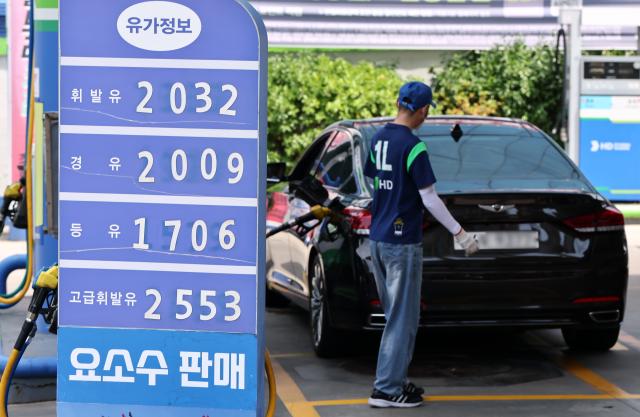
Domestic indicators are also showing weakness. The retail sales index dropped by 3.6% compared to the previous month, marking the largest decline since February 2024, when it fell by 3.7%. This decline is also attributed to the effects of the Middle East conflict. Sales of vehicle fuel decreased by 8.3% from a month earlier, following the implementation of a rationing policy by public institutions due to heightened concerns over oil supply.
The Ministry of Climate, Energy, and Environment had implemented a vehicle rationing policy for public institutions starting March 25. As concerns over oil supply intensified, a two-day vehicle rationing policy for public institution cars and a five-day rationing policy for public parking lots were introduced on May 8. Additionally, the ongoing high prices of oil products have contributed to the decline in retail sales.
Investment has also not escaped the downward trend. Facility investment fell by 3.6% from the previous month. While investment in machinery, including semiconductor manufacturing equipment, increased by 0.5%, investment in transportation equipment, such as other transport vehicles, dropped by 11.5%. The data agency noted that a decrease in aircraft import investments significantly impacted this decline. Construction output fell by 1.4% compared to March, with both building (-1.5%) and civil engineering (-1.1%) projects experiencing reduced activity.
Coincident and Leading Composite Indices Rise Together; Government Notes Base Effect
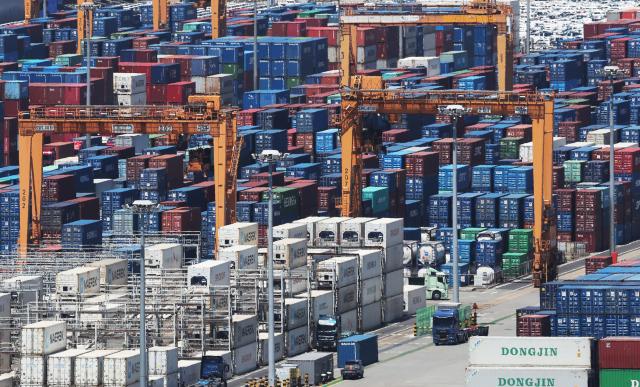
Despite the decline in domestic industrial activity indicators, the government views this as a temporary adjustment. The coincident composite index, which reflects the current economic situation, rose by 0.2 points to 100.2, remaining above the baseline of 100 for two consecutive months. The leading composite index, which predicts future economic conditions, increased by 0.6 points to 104.1.
The consumer sentiment index, which fell below the baseline of 100 last month, rebounded to 106.1 this month. The business sentiment index also reached its highest level in 43 months at 98.9. These positive signals for consumption and investment suggest a continuation of economic recovery.
The oil supply, which had previously shocked the South Korean economy, is also showing signs of recovery. According to the Ministry of Trade, Industry, and Energy, the volume of crude oil imports for May to July is expected to be around 22,000 barrels, approximately 85% of the usual level. The government anticipates that there will be no significant issues with oil supply in August.
Although the blockade of the Strait of Hormuz has created challenges for Middle Eastern oil supply, the proportion of non-Middle Eastern oil has increased significantly. The share of Middle Eastern oil, which rose to 69.1% last year, is projected to decrease to 48.5% (provisional) for the May to July period this year. During this time, the share of oil from the Americas (35.6%), Africa (8.3%), Asia (7.4%), and Europe (0.3%) has expanded to 51.5%.
Additionally, the release of strategic reserves in accordance with the International Energy Agency (IEA) joint resolution is expected to conclude without government intervention. The Ministry of Industry has announced a regulation to reduce the mandatory days for private reserves from 40 to 20. The government is taking policy measures, such as utilizing the strategic oil swap system, to alleviate overall oil supply burdens, viewing the release of strategic reserves as a last resort.
Deputy Prime Minister and Minister of Economy and Finance Koo Yun-cheol chaired an emergency economic meeting and a meeting of ministers related to economic and industrial competitiveness, stating, "As the Middle East conflict continues for an extended period, major institutions are adjusting their growth forecasts for our economy upward. The industrial production in April experienced a temporary adjustment due to base effects from previous high increases, but we expect a recovery trend to resume in May."
* This article has been translated by AI.
Copyright ⓒ Aju Press All rights reserved.