
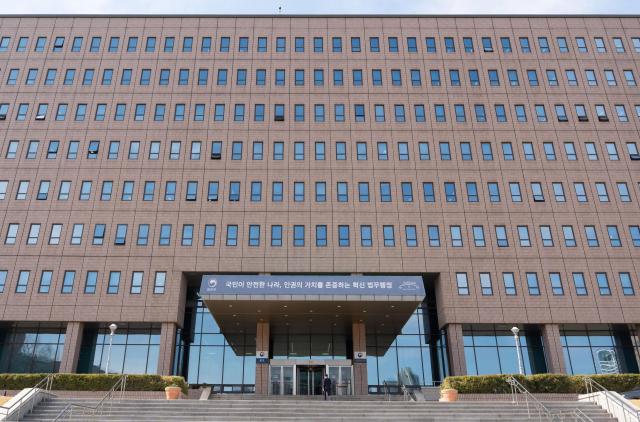
The South Korean government is set to expand its Top-Tier visa program, offering significant incentives to attract world-class science and technology talent. The program will now include professors and researchers in the science and technology fields, aiming to secure 2,000 outstanding foreign professionals by 2030.
On May 31, the Ministry of Justice and the Ministry of Science and ICT announced that the new "science and technology Top-Tier visa" system will be implemented starting in June. This improvement is designed to streamline the process by closely linking talent recommendations from the Ministry of Science and ICT with visa evaluations by the Ministry of Justice, significantly lowering barriers for skilled professionals to enter the country.
The Ministry of Science and ICT is pursuing a "Brain to Korea" strategy, which aims to attract a total of 2,000 foreign scientists, including 350 top-tier scholars, by 2030. To facilitate this, a "one-stop electronic system" will be launched to ensure that visa issuance can be completed within two weeks when universities, research institutes, or corporate labs seek to recruit foreign experts.
The criteria for obtaining a Top-Tier visa focus on demonstrating global research excellence. Applicants must meet at least one of the following requirements: be a recipient of an internationally recognized award such as the Nobel Prize or Fields Medal, be an author of papers in the top 1% of citations, hold triadic patents (registered simultaneously in the U.S., Japan, and Europe), or have experience as an assistant professor at a top 100 global university or as a lead researcher at one of the world's top 500 companies.
Even if applicants do not fully meet the quantitative criteria, promising researchers with significant potential can still be recommended through a qualitative assessment by a joint review committee from both ministries.
Selected Top-Tier visa holders will receive exceptional benefits for themselves and their families. Upon application, they will be granted a residency visa (F-2) that allows for immediate employment and settlement, along with a preferential entry card.
Notably, the residency period required for obtaining permanent residency (F-5) will be significantly reduced from five years to three years. Accompanying family members, including parents and domestic helpers, will also be allowed to stay, enhancing stability for their settlement.
The program will not only provide visas but also comprehensive support services from entry to daily life. Upon arrival at the airport, new arrivals will receive protocol services, and dedicated consultants will assist with foreign registration, communication service setup, real estate contracts, and psychological counseling to minimize initial settlement challenges.
Justice Minister Jeong Seung-ho expressed optimism, stating, "This system improvement will strengthen the foundation for the swift influx of outstanding foreign science and technology talent into domestic research environments."
Deputy Minister of Science and ICT Bae Kyung-ho also emphasized the importance of inter-ministerial cooperation, noting that not only research opportunities but also living conditions and visa support systems must work seamlessly to encourage individuals to choose Korea.
This initiative is expected to enhance the global research capabilities of domestic institutions and lay the groundwork for South Korea to become a leading nation in attracting scientific and technological talent.
* This article has been translated by AI.
Copyright ⓒ Aju Press All rights reserved.