
While the United States and China reaffirmed their dialogue and aimed to reduce military tensions, differences emerged between the U.S. and its European allies regarding defense spending and international order issues.
The Shangri-La Dialogue, the largest security conference in the Asia-Pacific region, concluded in Singapore on May 31, confirming the improved atmosphere between the U.S. and China following their recent summit. However, disagreements regarding the Trump administration's alliance policies surfaced between the U.S. and European nations.
This conference was notable as it was the first major multilateral security meeting since the recent U.S.-China summit. Both nations adopted a more restrained tone compared to last year, emphasizing their commitment to stabilizing relations.
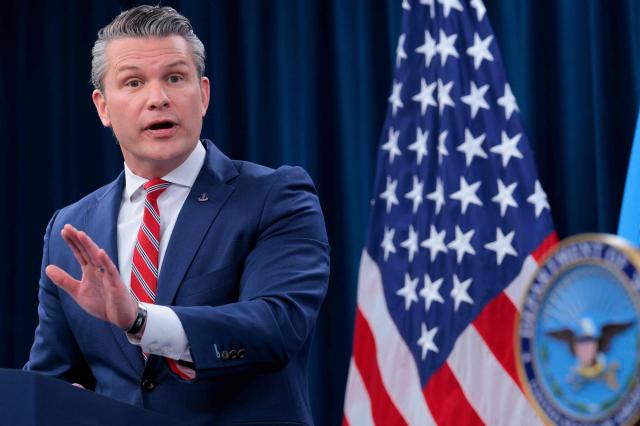
In his speech, Secretary of Defense Pete Hegseth maintained the U.S. stance of countering China's expanding influence but stated, "We do not seek unnecessary confrontation," highlighting the need for expanded communication channels between military authorities. This marked a significant reduction in rhetoric compared to last year's dialogue, where China was labeled a "substantial and immediate threat."
China responded with conciliatory messages. Meng Xiangqing, a professor at the National Defense University leading the Chinese delegation, expressed hope that the U.S. and China would move closer together, stressing the need for stable military relations. However, both sides continued to mention their opposition to "hegemonism," maintaining a stance of mutual restraint.
In contrast, the differences between the U.S. and its allies became more pronounced. Hegseth repeatedly urged European nations to increase defense spending, asserting, "Allies must fulfill their roles in collective defense."
He criticized some European countries for emphasizing a rules-based international order while being passive about enhancing security capabilities, calling for greater responsibility among NATO member states.
In response, European and Indo-Pacific allies underscored the importance of international norms and cooperative frameworks, effectively countering Hegseth's assertions. Dutch Defense Minister Dylan Yesilgöz-Zegerius stated, "Even if international law is not perfect, abandoning it cannot be an alternative."
Australian Deputy Prime Minister and Defense Minister Richard Marles emphasized that while a rules-based international order may be subject to reform, it should not be dismantled, highlighting the importance of multilateral cooperation. Japanese Defense Minister Shinjiro Koizumi also stressed the need for solidarity among allies, stating, "Division weakens deterrence, while unity strengthens it."
* This article has been translated by AI.
Copyright ⓒ Aju Press All rights reserved.