
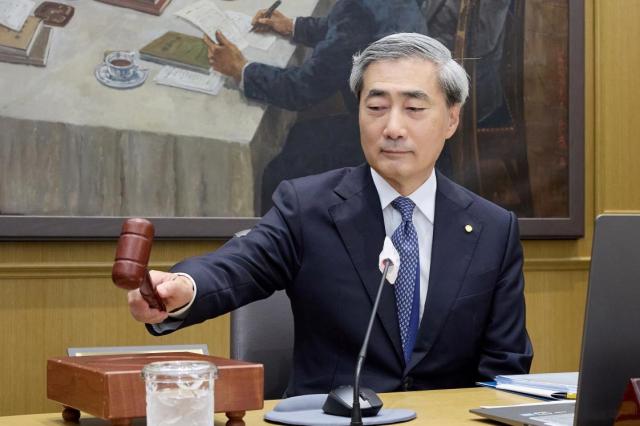
The Bank of Korea has indicated the possibility of raising interest rates. Recent economic indicators support this outlook, as exports, particularly in semiconductors, continue to rise, and growth forecasts show improvement. The semiconductor supercycle, fueled by the AI boom, is revitalizing the South Korean economy after a long period of stagnation. Samsung Electronics and SK Hynix have reported significant gains, and the stock market has been on a bullish trend.
However, the question remains whether the South Korean economy is robust enough to withstand higher interest rates. A strong performance in semiconductors does not necessarily equate to overall economic health. The current boom is heavily concentrated in a single industry, which could signal potential vulnerabilities.
In reality, the economic sentiment outside semiconductor factories is markedly different. High interest rates and inflation continue to burden small businesses, self-employed individuals, and households. The delinquency rate among small enterprises is rising, and the repayment burden for vulnerable borrowers is increasing. The increase in semiconductor exports has not alleviated the struggles of local businesses.
Particularly concerning is the accumulation of household debt over recent years. Borrowers who took out loans to purchase homes during the ultra-low interest rate environment following COVID-19 are already facing significant financial strain. Many households have also taken on additional loans based on expectations of further rate cuts. If interest rates rise again, the financial burden could escalate more quickly than anticipated. While large corporations and exporters may endure, households and small businesses are likely to struggle.
The vulnerability of a growth structure centered on semiconductors cannot be overlooked. Much of the recent increase in exports, stock market gains, and corporate performance is tied to the semiconductor sector. While it is clear that South Korea has competitive industries in the global market, this also indicates a heightened dependency on a single sector. Domestic consumption and the service industry are not showing clear signs of recovery.
Moreover, the current semiconductor boom cannot be solely attributed to the competitiveness of South Korean companies. External factors, such as increased AI investments by major U.S. tech firms and the expansion of global data centers, play a significant role. The pace of investment could adjust at any time, and the ongoing technological rivalry between the U.S. and China remains a variable. It is crucial not to mistake this boom for a permanent growth trend.
If the confidence to raise interest rates is based on semiconductors, it may also reveal a lack of alternative strengths in the South Korean economy. The more an economy relies on a single industry, the more susceptible it becomes to external shocks.
While normalizing interest rates is necessary for price and financial stability, monetary policy should not be determined solely by growth rate figures. It is essential to consider the overall economic resilience and risk factors. In particular, an assessment of how vulnerable groups and marginal businesses can withstand potential challenges must precede any decisions.
Currently, the South Korean economy finds itself in a paradoxical situation. The semiconductor sector is experiencing unprecedented prosperity, yet many citizens do not feel the benefits of economic recovery. The stock market may be thriving, but local economies remain cold. The success of semiconductors does not automatically translate to success for the entire South Korean economy.
Economic policy should be guided by the needs of the most vulnerable, not just the strongest sectors. While the semiconductor boom is undoubtedly welcome news, relying solely on this success to justify interest rate increases could lead to overlooking other risks. Is the South Korean economy, excluding semiconductors, truly prepared to withstand such shocks?
* This article has been translated by AI.
Copyright ⓒ Aju Press All rights reserved.